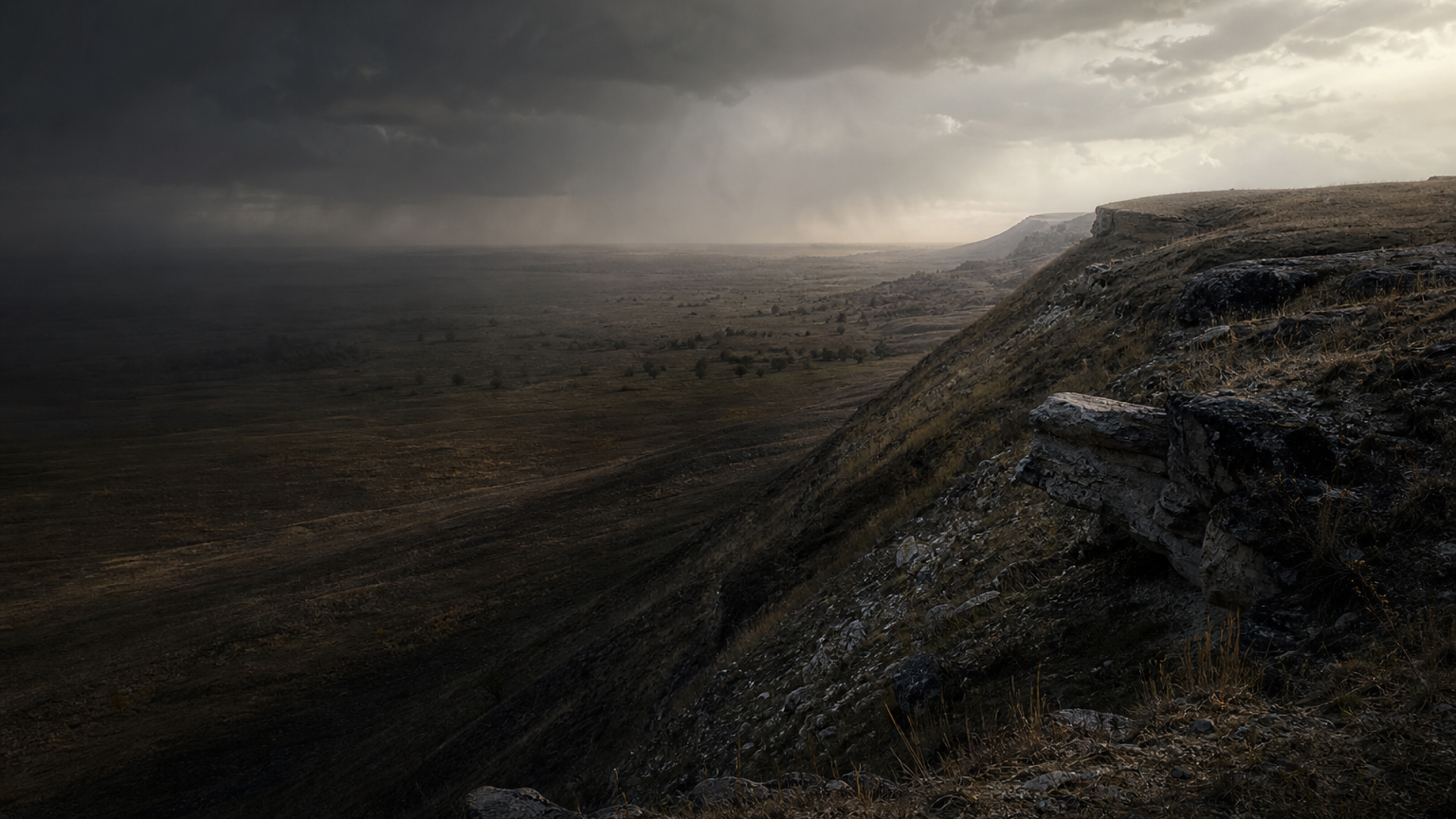
Life on the Samara steppes would have been shaped by season, herd movements and the flow of the Volga and Samara rivers. Archaeological deposits from Novosel'ki, Uvarovka I and other local sites reveal ephemeral dwellings, corrals and hearths consistent with seasonal encampments. Bone assemblages and faunal remains emphasize the pastoral economy: cattle and sheep provide meat, milk and secondary products, while horses are present both as transport and as an increasingly central resource for mobility.
Material culture recovered from graves and settlements—bronze weapons, awls, needles, and portable ceramics—suggests small household craft and metalworking traditions. Grave goods tend to be modest; occasional larger bronzes indicate social differentiation but not extremes of inequality seen in some contemporaneous regions. Timber-grave burial architecture itself can encode social memory: the construction and maintenance of wooden chambers would have required coordinated labor and possibly signaled lineage claims to territory.
Gendered practices can be glimpsed in burial assemblages (differences in grave goods), but caution is warranted: preservation bias and sampling gaps limit broad generalizations. Archaeological data indicates that networks of exchange—of metal, horses, and perhaps people—linked these communities to the wider Bronze Age steppe world. The landscape itself, cinematic and wide, framed a life of movement where kinship, herding expertise and ritual care for the dead were central.