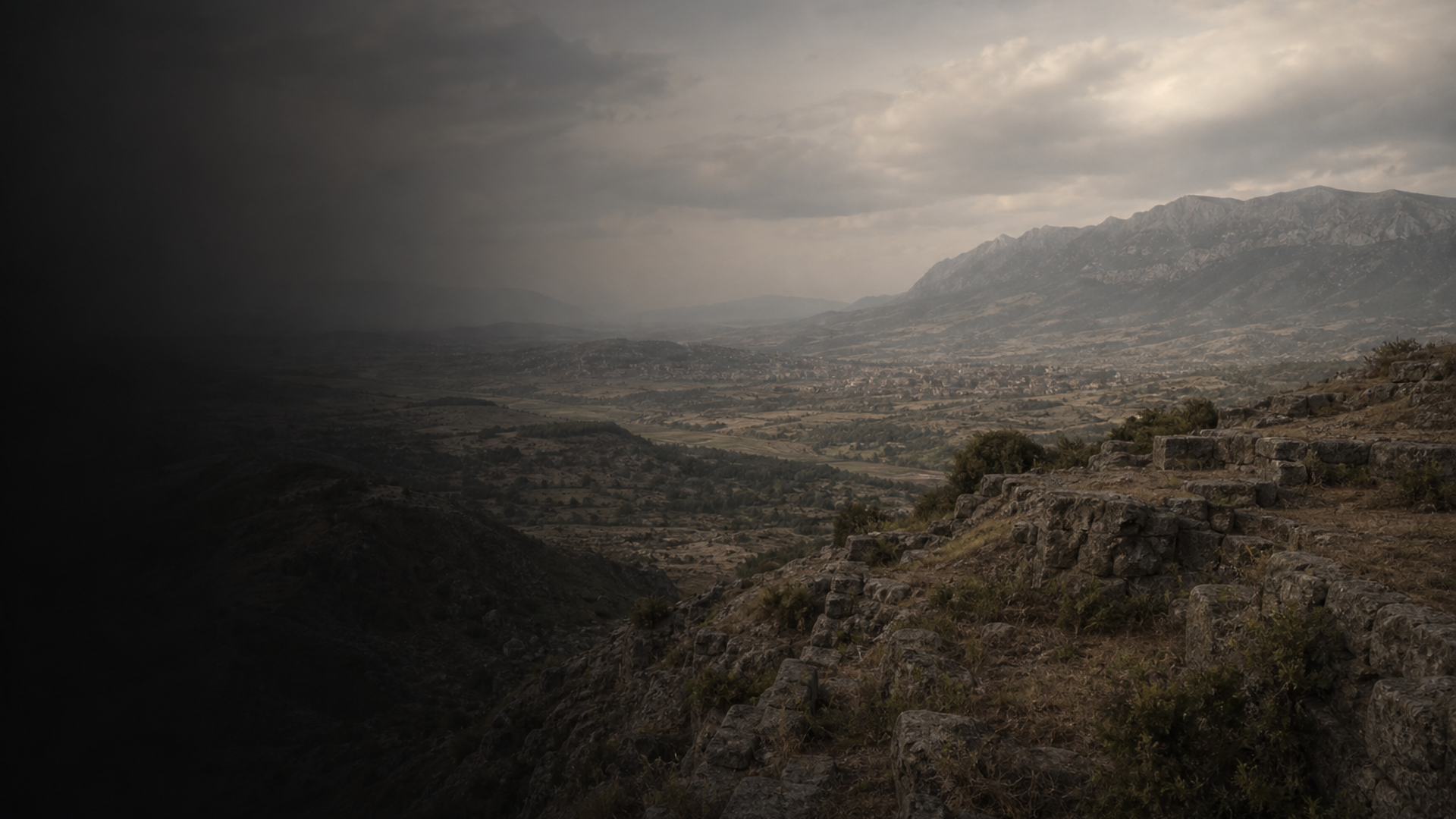
Modern daily life in Tirana at the turn of the 21st century is urban, multi-layered and connected to rural hinterlands. Archaeology of modern and historic neighborhoods records continuity in settlement patterns — markets, craft quarters, and defended hilltop towns reused across eras. Material remains from Ottoman bazaars, Venetian trade links along the Adriatic, and classical urban grids in port cities show persistent economic and social roles for towns in Albania.
Ethnographic and archaeological signals — house plans, craft debris, cemetery practices recorded archaeologically — reflect how communities reorganized through time. In the modern context, migrants from inland towns and mountain regions augmented urban populations, contributing cultural practices (dress, dialects, craft skills) that have roots in older archaeological horizons. Everyday objects excavated from recent contexts (ceramics, metalwork, architecture) demonstrate continuity of craft traditions, while changing consumption patterns reflect integration into wider Mediterranean and European economies.
For genetic interpretation, daily social patterns matter: endogamy within villages, urban influx, and migration all shape the genetic structure. The six samples from 2000 CE capture a snapshot of this social complexity in an urban setting; they cannot, by themselves, resolve community-level practices or rural-urban contrasts. Archaeology helps define which social behaviors to test genetically — for example, whether certain lineages cluster by neighbourhood, kin group, or origin region.