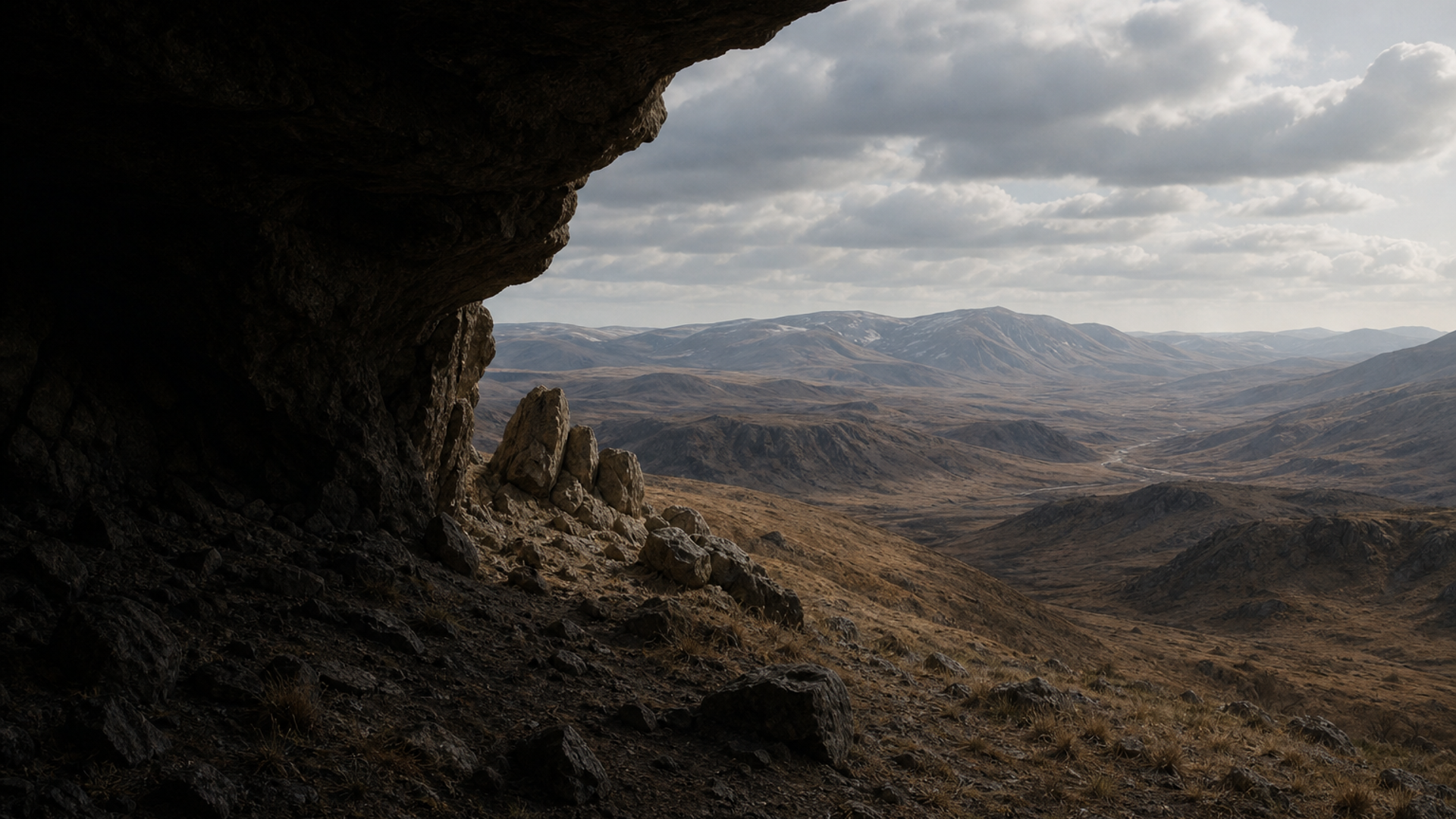
Daily life in the Transbaikal Mesolithic likely unfolded in seasonal rhythms. Groups moved between riverine fishing spots, hunting grounds in forest clearings, and berry‑rich terraces. Archaeological data indicates small activity areas rather than dense, permanent settlements — hearths, butchery loci, and scatters of stone tools point to task‑specific sites.
Toolkits were probably focused on versatility: cutting and scraping implements for carcass processing, and small blades or microliths for composite tools and hunting. Organic technologies — baskets, hides, and wooden implements — are archaeologically ephemeral but would have been central to clothing, storage, and transport in this cold continental climate. Social organization was likely kin-based and flexible, with groups small enough to move efficiently yet connected by exchange networks across valleys and river corridors.
Artistic and ritual expressions are little represented in the current record from Zhindo and Pad' Tokui; this absence may reflect preservation bias rather than cultural lack. Seasonal aggregation events may have supported social ties, marriage exchange, and the transmission of knowledge across the Transbaikal landscape.