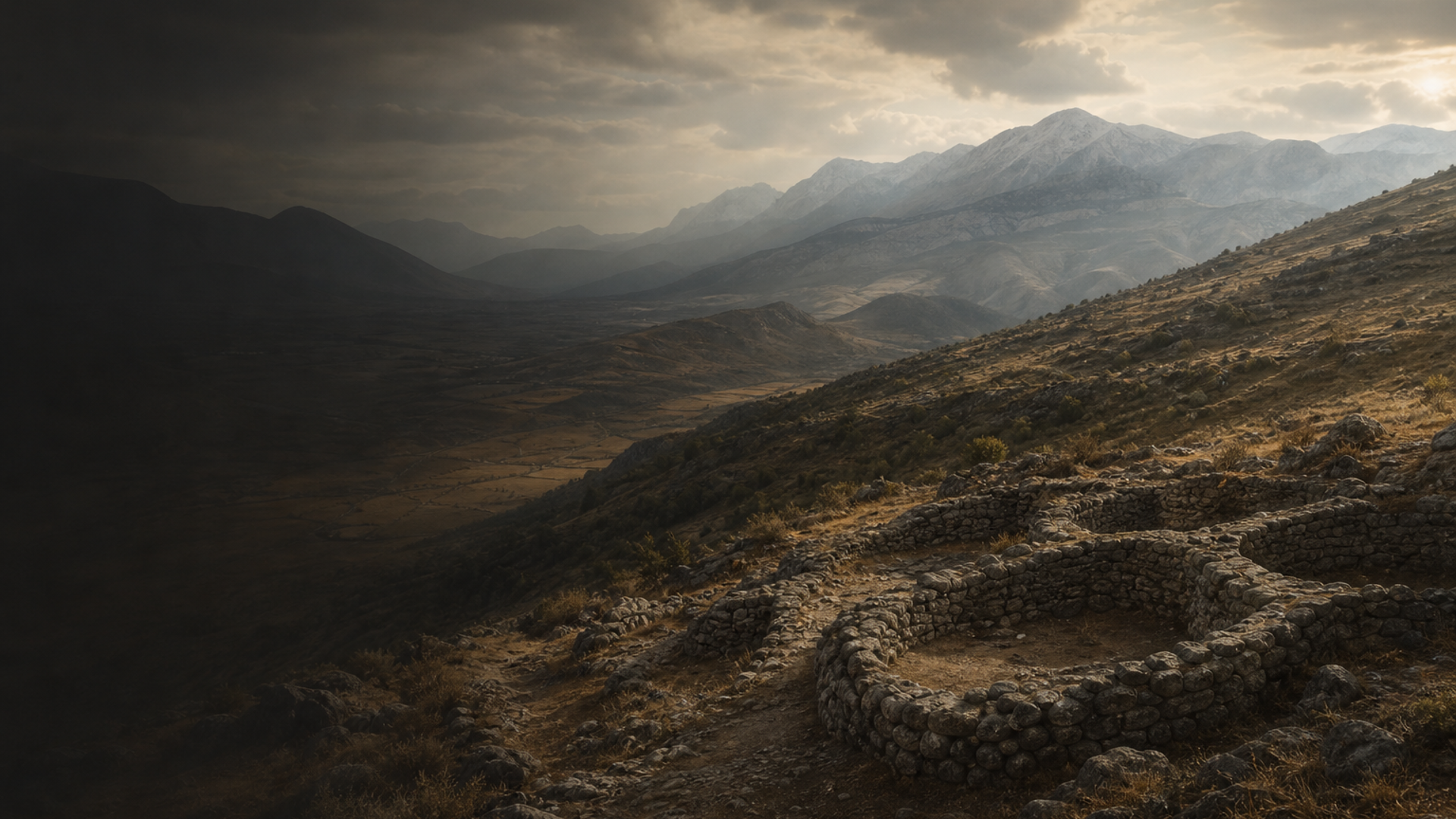
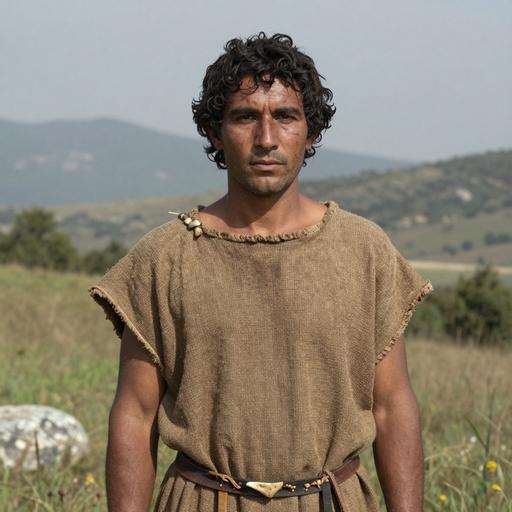
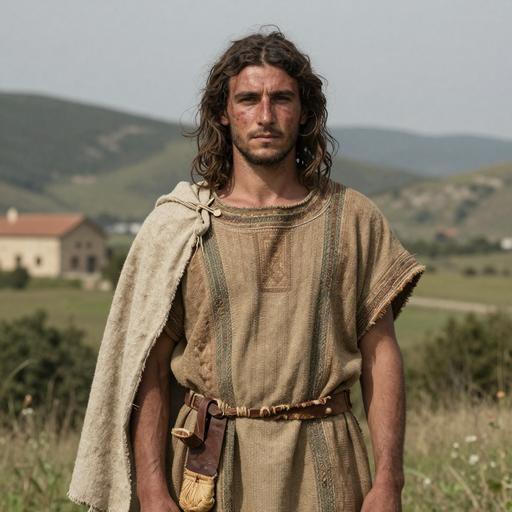
Archaeological parallels from the central and southern Balkans suggest that inhabitants of the Tren Cave hinterland practiced mixed farming: cultivation of cereals and pulses alongside managed herds of cattle, sheep and goats. Material remains typical of Late Neolithic contexts—pottery, ground stone tools, and worked bone—signal domestic economies oriented around seasonal cycles and household production.
Socially, small village clusters and cave-associated activity areas likely structured daily life. Exchange of raw materials and finished goods across river valleys and toward the Adriatic coast is archaeologically plausible, indicating networks that moved not only objects but ideas and possibly people. Funerary behavior in the region ranges from primary inhumation to secondary deposition; Tren Cave’s human remains contribute to this mosaic, yet the small sample size precludes confident reconstruction of social hierarchy or burial rites specific to the site.
Environmental reconstruction suggests a mixed woodland and open-field landscape, where communities balanced foraging, husbandry, and crop cultivation. Craft specializations—pottery making, bone working—would have provided focal points for skill transmission across generations.