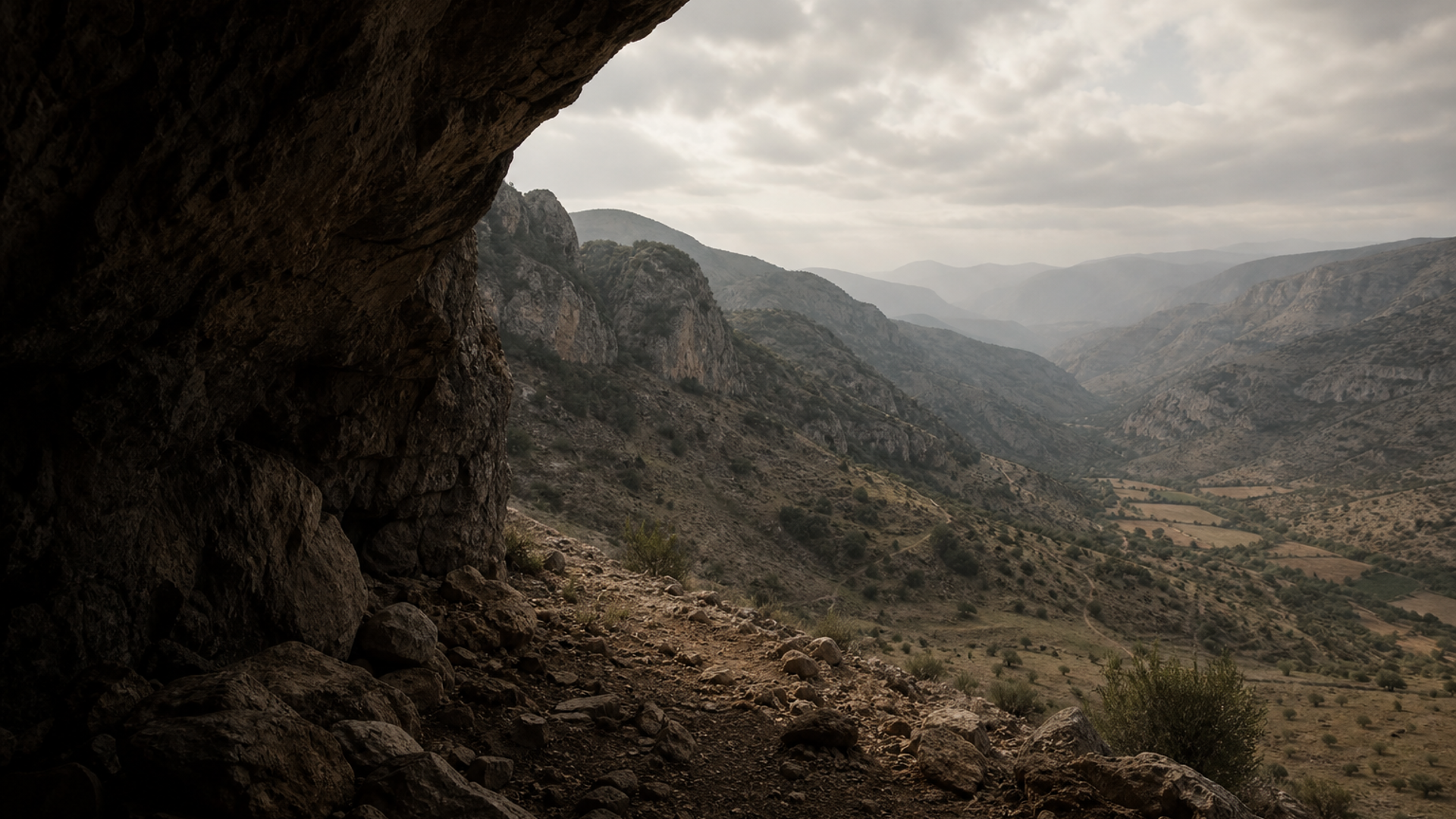
Archaeological traces from the Late Neolithic–Chalcolithic Balkans paint a cinematic tableau: smoke-darkened interiors, patterned pottery drying on low shelves, and the steady rhythm of planting and herding. Though Tren Cave itself yielded limited material remains accompanying the two human burials, regional parallels allow cautious reconstruction. Small farming hamlets organized around family plots and seasonal pastures were typical; cereal cultivation, pulses, sheep and goat herding, and local hunting likely underpinned subsistence.
Craftspeople in nearby sites produced cord-impressed and burnished ceramics, chipped and ground stone tools, and increasingly, hammered native copper objects as the Chalcolithic unfolded. Social life folded around household labor, exchange networks, and ritual acts — burials in caves or shallow graves, curated grave goods, and community feasts. Landscape use combined permanent cultivation on fertile terraces with mobility for grazing and resource collection in upland zones.
Archaeological data indicates that Tren Cave served as both a place of habitation and ritual deposition in some parts of the region. Still, with only two human samples and sparse associated artifacts, any portrait of daily life at Tren remains provisional, best supplemented by broader regional studies and future finds from the Devoll corridor.