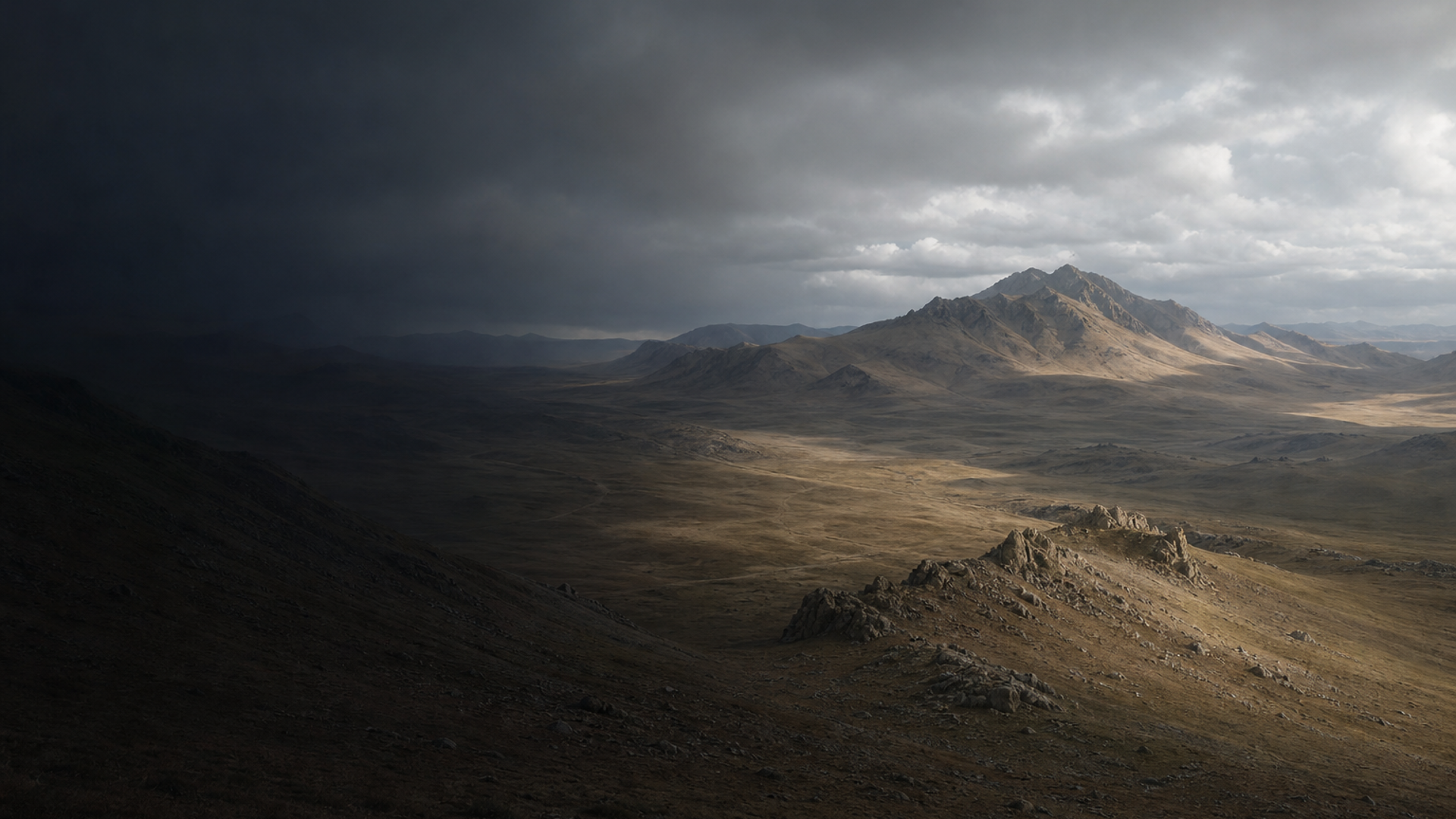
Archaeological data indicates a mobile, pastoral horizon across the Late Medieval Tuv landscape. The cinematic sweep of the steppe—ridges, river valleys, and sheltered hollows—shaped a seasonal rhythm of movement: summer pastures on higher ground, wintering in lee of mountains. Faunal remains from comparable regional sites point to sheep, goats, horses, and cattle as central resources, while portable material culture (tools, personal ornaments) accentuates mobility rather than permanent settlement.
Burial contexts in Tuv often preserve fragile clues: body orientation, grave assemblages, and spatial clustering can reflect kin groups, social status, or ritual practice. At Argali Mountain and Bunkhantyn Gatsaa the archaeological footprint is modest; limited excavations and survey data make specific reconstructions tentative. Ethnographic analogy to later Mongolian pastoral lifeways—yurt use, mounted herding, seasonal camps—provides a useful interpretive frame but must be applied cautiously.
Material traces and genomes together suggest communities adapted to the high‑steppe environment, practicing animal husbandry, mobility, and participation in wide-ranging exchange networks that could carry people, goods, and genes across Eurasia.