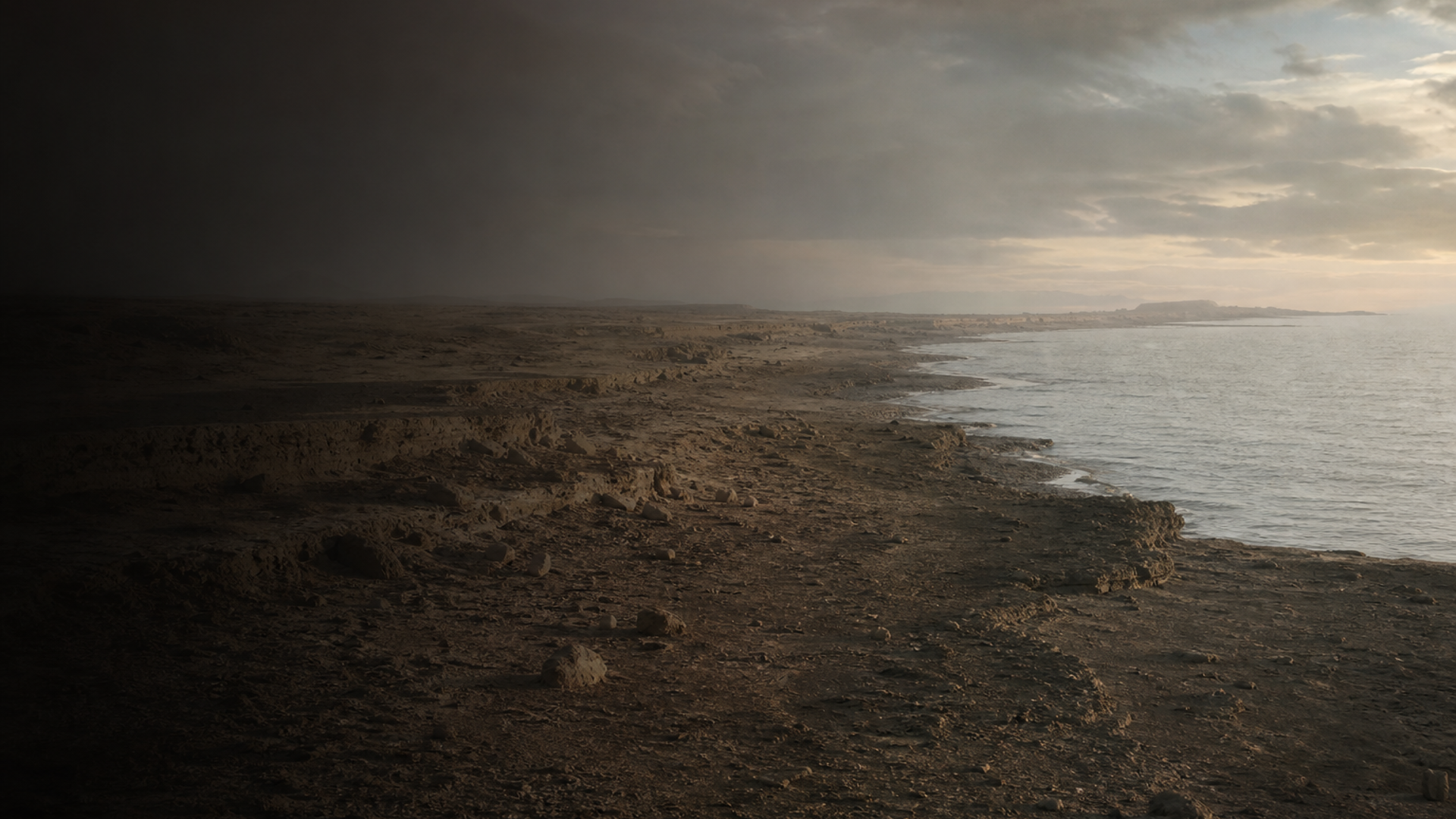
Life in Tylos-era Abu Saiba can be imagined as a choreography between land and sea: fishermen, sailors, craftsmen, and merchants moving along tidal creeks and across open water. Archaeological contexts from Tylos sites in the Gulf point to economies built on fishing, shell-working (including pearls in later historical periods), and the export of local products in exchange for ceramics, metalwork, and other imported goods. Domestic architecture in comparable sites often shows simple, functional structures adapted to a coastal environment.
Social life likely revolved around porto-commercial hubs rather than large urban cores; elites may have mediated exchange with visiting traders. Funerary evidence from the Tylos horizon elsewhere in the region reveals varying burial treatments, suggesting social differentiation, but at Abu Saiba the mortuary record is sparse. Material culture — pottery fragments, beads, and metal objects found in regional surveys — paints a picture of cultural blending: local traditions articulated alongside foreign forms and technologies. Yet archaeological interpretation must remain tentative: Abu Saiba provides a concise snapshot rather than a comprehensive portrait.