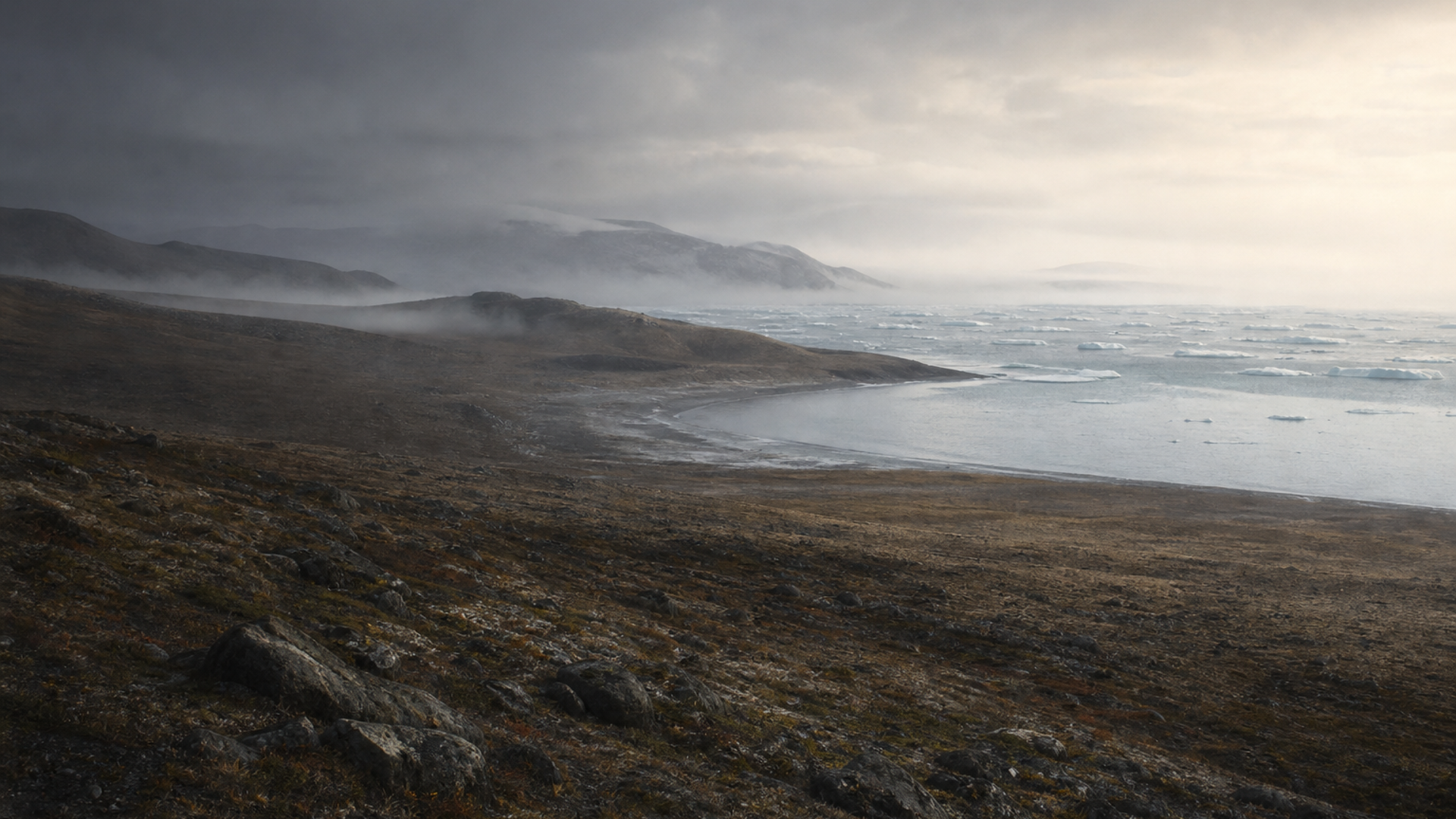
The lifeways at Uelen were shaped by an intimate mastery of the northern sea. Archaeological assemblages include worked walrus and whale bone, finely barbed harpoons, and decorated ivory plaques—indicators of hunting seals, walrus, and the exploitation of rich nearshore resources. Seasonal mobility between coastal hunting sites and sheltered inlets likely structured social rhythms: summer hunting and tool production, winter occupation in semi-subterranean houses, and funerary rituals marked by grave goods.
Social complexity is visible in art and burial variability: carved motifs on ivory and differences in grave assemblages suggest skilled artisanship, exchange networks across the Bering Strait, and social distinctions. Ethnographic analogy and regional archaeology indicate kin-based groups with specialized hunting roles and long-distance exchange of prized materials such as walrus ivory. Archaeological data indicates that marine hunting technology and symbolic expression were central to identity, while environmental variability—sea ice changes and prey distribution—would have influenced settlement and social strategies.