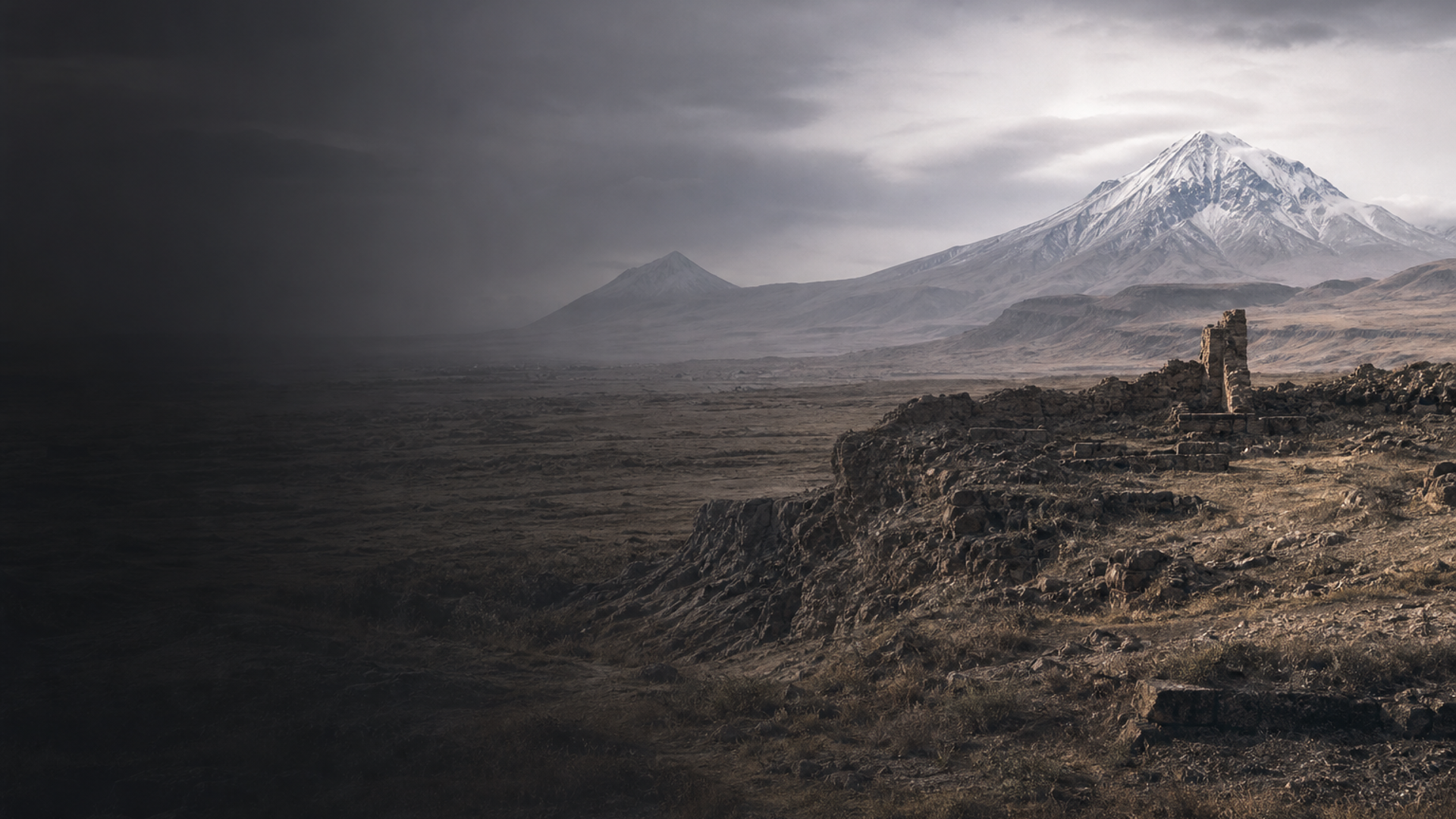
Life inside the walls of Teishebaini combined the practical rhythms of provisioning with the dramatic rituals of state religion. Archaeological excavations of houses and storerooms reveal carefully managed grain reserves, pottery types used for cooking and storage, and workshops where bronze tools, weapons and ornaments were produced. Irrigation channels and terraces in the surrounding landscape speak to engineered agriculture sustaining urban populations. Funerary contexts in the necropolis at Karmir Blur uncovered richly furnished tombs: pottery, weaponry, and personal adornments that underscore social differentiation and craft specialization.
Religious practice was woven into civic identity. Temples and cult spaces dedicated to deities such as Teisheba (a storm god) were centers for offerings and public ritual, and inscriptions emphasize royal patronage of cult and infrastructure. Trade and diplomacy left their marks — imported objects and stylistic influences point to exchange networks reaching across the Near East. Yet archaeological remains also record violence: destruction layers and weapons suggest periods of conflict and rebuilding, a reminder of the precarious balance of power in the Iron Age Caucasus.
This material world, painstakingly reconstructed from stone, metal and pottery, provides the cultural stage on which genetic data can be read — showing who lived, worked and died in these fortified cities.