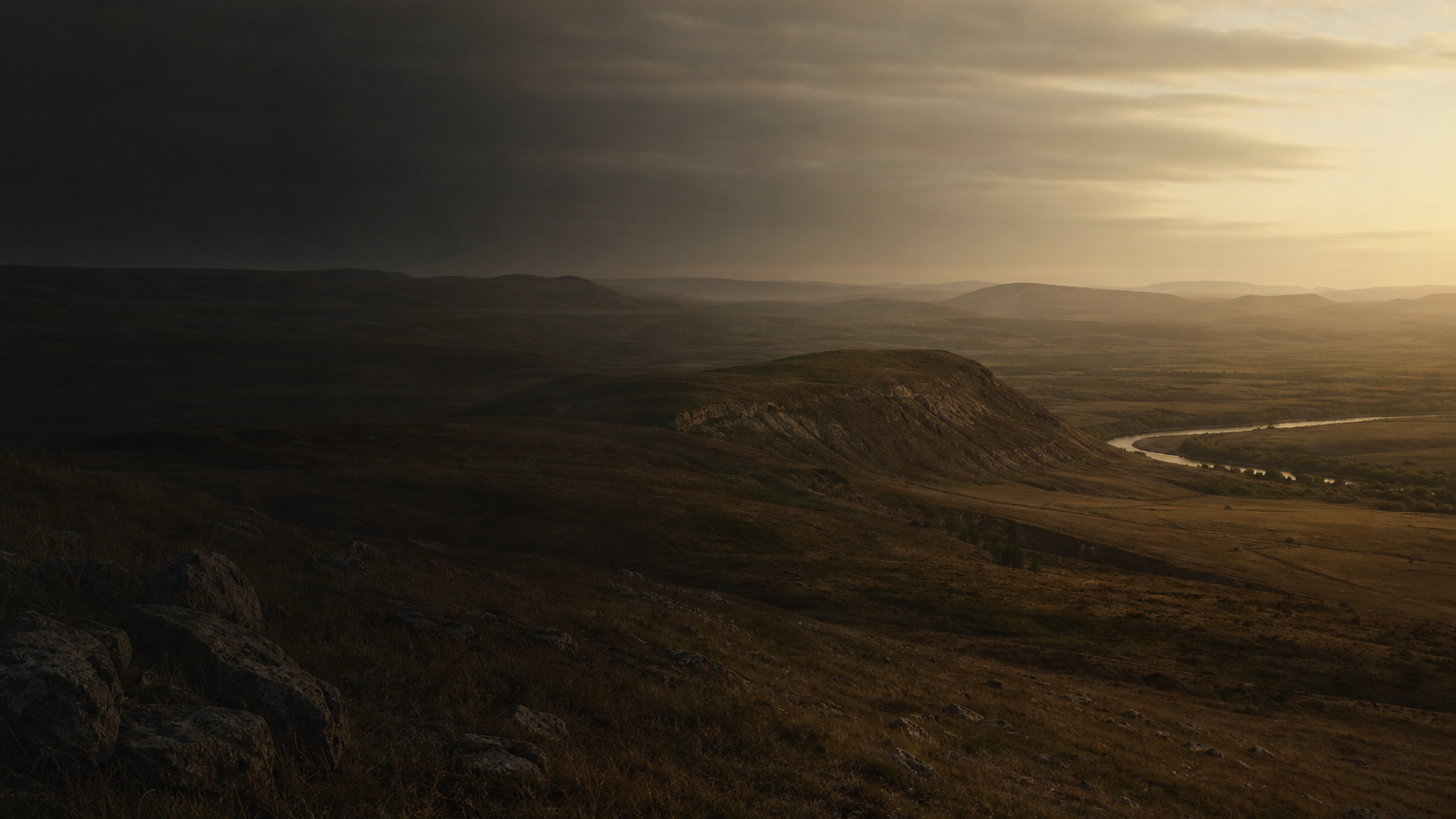
In the cinematic sweep of fields and river fog, Bodrogkeresztur households at Urziceni practiced mixed farming: cereals, pulses, and managed herds. Archaeobotanical remains from the region indicate wheat and barley cultivation, while zooarchaeological traces point to cattle, sheep and pig husbandry. Craft specializations—pottery production, bone working, and occasional copper toolmaking—suggest a community balancing household self-sufficiency with participation in wider exchange networks.
Burial practices in nearby Bodrogkeresztur cemeteries reveal social differentiation expressed through grave goods and body position, but evidence for rigid stratification is limited. Children, adults and elders interred together indicate kin-based sites where social memory centered on place. Architectural traces—post-built houses with storage pits—portray a rhythm of seasonal labor and domestic craft. Archaeological data indicates mobility at multiple scales: local transhumance, regional trade in prestige goods, and the movement of ideas such as metallurgical skills.
Environmental reconstructions suggest communities adapted to shifting climatic conditions, with fluctuating resource availability shaping diet and settlement intensity. While the material record is rich in gesture, direct evidence for social institutions (e.g., chiefs, councils) remains elusive and should be treated as interpretive rather than definitive.