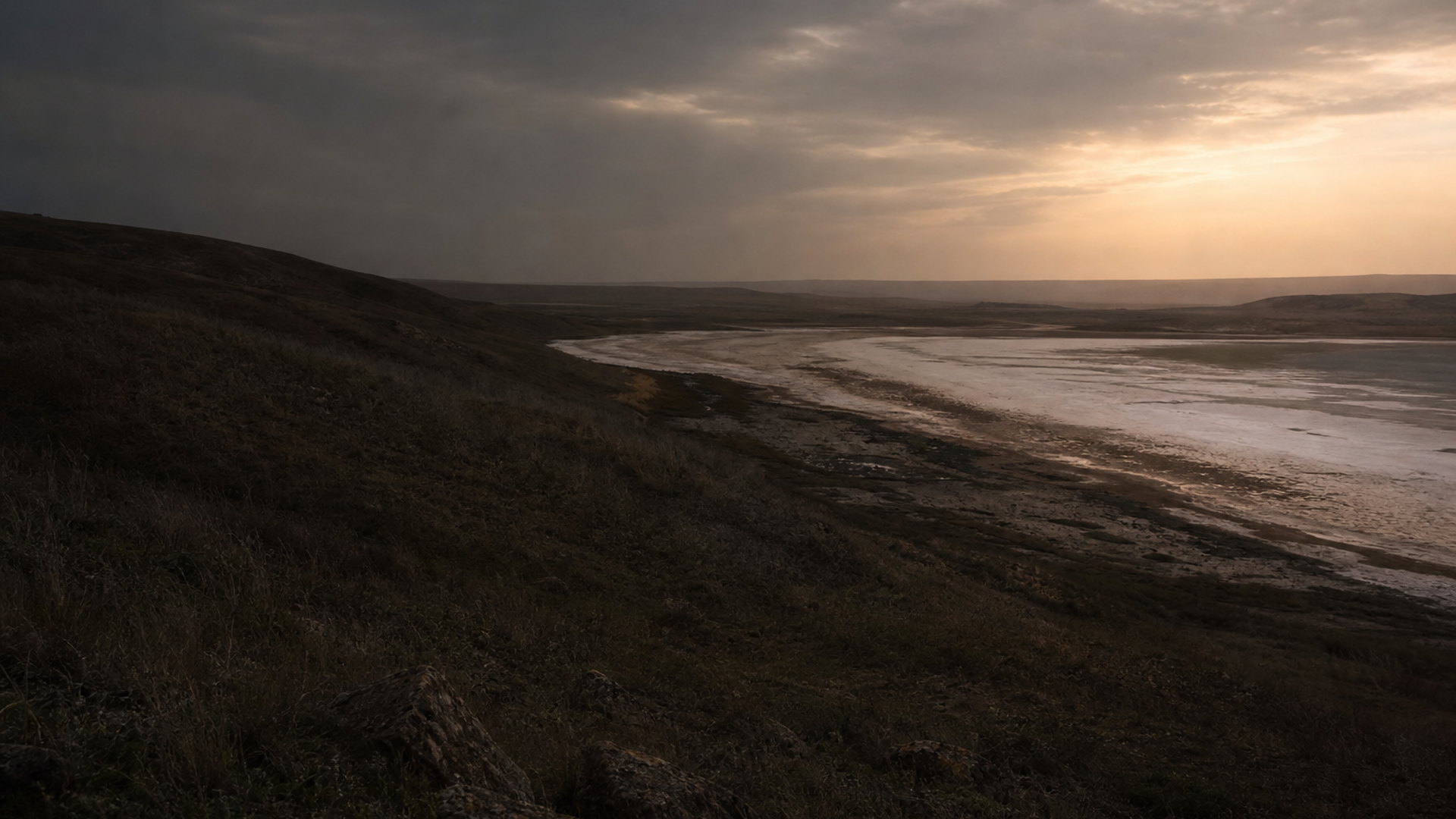
Ancient DNA from four individuals labeled Ukraine_Eneolithic_Usatove_BolsojKujalnik_C offers a narrow but revealing glimpse into the biological ancestry of this coastal Eneolithic community. Sample count is low (n=4), so conclusions are preliminary and should be treated cautiously.
Observed uniparental markers: Y-chromosome lineage I appears in one male, while mitochondrial lineages include U in two individuals and X2b in one. mtDNA haplogroup U is widely associated with longstanding European hunter‑gatherer maternal ancestry and is frequently present in late Neolithic and Eneolithic contexts across the region. The presence of X2b—while less common—is consistent with maternal lineages that appear intermittently in Neolithic and later populations spanning Europe and western Asia.
The single Y‑haplogroup I is notable because it aligns with lineages that persisted in Europe from the Mesolithic and Neolithic periods; it is distinct from R1a/R1b lineages often associated with later steppe expansions. Taken together, the uniparental profile hints at continuity of local maternal hunter‑gatherer-derived ancestry with male lineages that may reflect regional continuity rather than wholesale population replacement.
Genome-wide inference would be needed to test hypotheses about admixture between local forager‑derived groups, Neolithic farmers and incoming steppe‑associated groups; with only four genomes available, any such model is tentative. Future sampling from Bolšoj Kujalnik and nearby Usatove sites will be essential to refine population history.