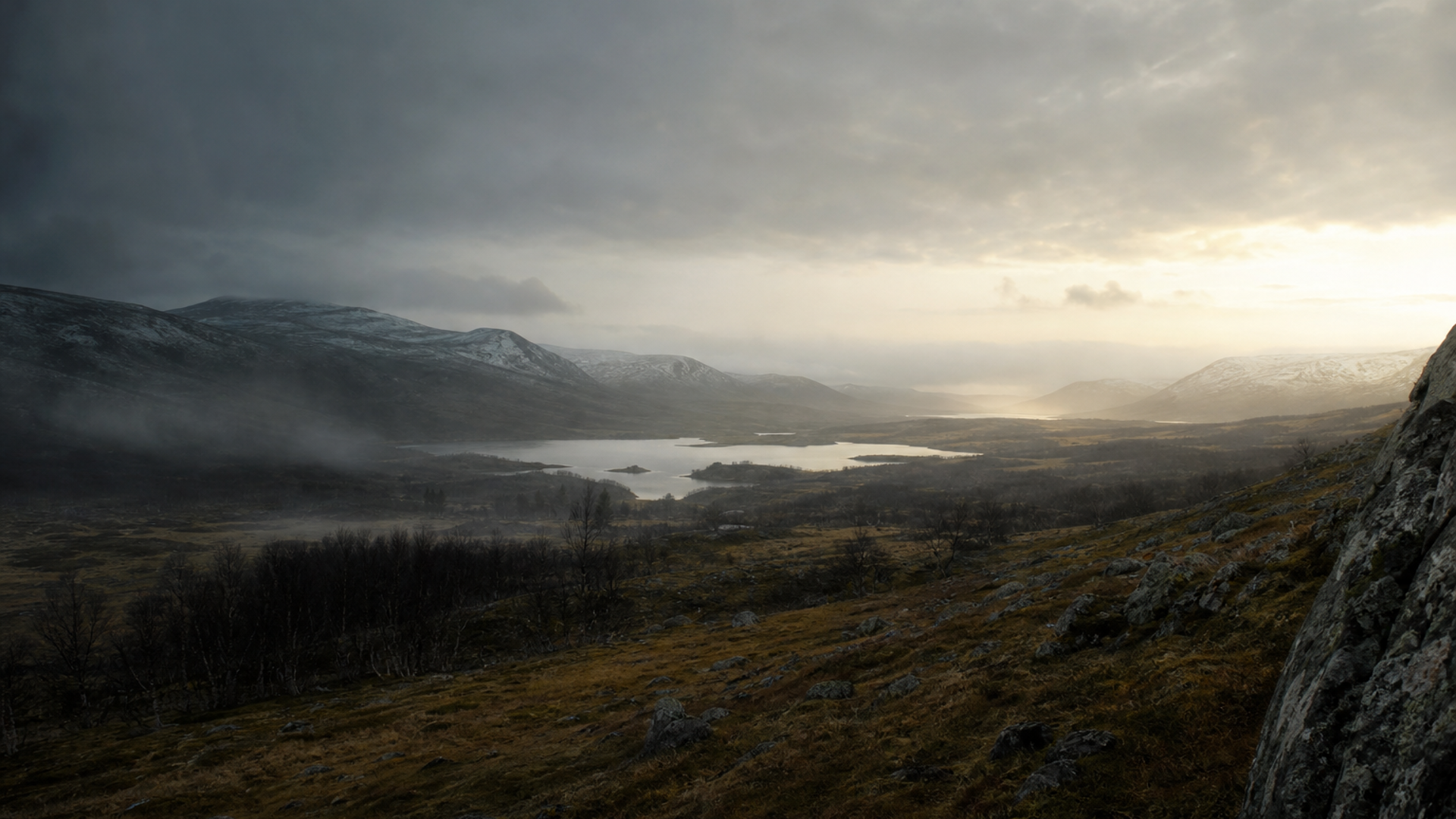
Material culture across northern Sweden in the 11th–13th centuries reflects small-scale farming, seasonal resource use, and parish organization. Archaeological remains in the Jämtland region point to mixed subsistence strategies — cereal cultivation where soils allowed, supplemented by fishing, hunting, and animal husbandry. Timber architecture and isolated farmsteads were characteristic of the inland landscape.
Burials and church-associated features from this era often mark the spread of Christian practices; archaeological traces may include simple inhumations, churchyards, and grave goods that decline over time. For Vasterhus specifically, contextual details for these six individuals are limited, so reconstructions of social status or occupation remain tentative. Skeletal evidence can sometimes indicate diet, workload, and health, but without broad comparative data such signals risk overinterpretation.
Evocatively, imagine hearth smoke rising over networks of ponds and birch forest, with parish life punctuated by seasonal fairs and long-distance ties. Genetic snapshots from Vasterhus hint that these communities were not isolated: networks of kinship and mobility likely connected them to wider Scandinavian routes, though the scale of movement is unclear.
Archaeological data indicates a resilient, local society adapting to northern conditions; ancient DNA provides an additional strand for tracing family ties and movements within that landscape.