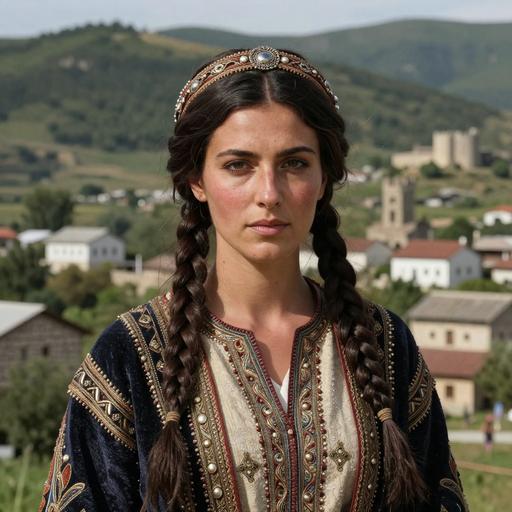
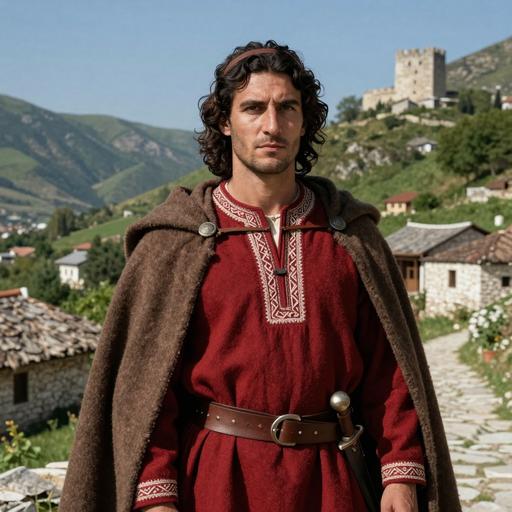
The archaeology of Kukës District and central Albanian valleys suggests communities organized around mixed farming, pastoralism, and control of mountain passes. Seasonal rhythms — shepherding in high pastures and sowing in sheltered terraces — would have structured kinship and labor. Ruined stone houses, terraced fields, and simple domestic assemblages recovered near Bardhoc and Pazhok evoke a tactile world of wood, wool, iron tools, and ceramic cooking wares.
Burial evidence from small cemeteries implies modest, community‑centered rites rather than monumental funerary display. Grave goods are scarce, implying social differentiation may have been subtle or manifest in perishable items (textiles, leather) that do not survive. Historical records for the 15th–17th centuries reference shifting allegiances, Ottoman administrative reorganization, and episodic conflict, all of which can leave archaeological traces in settlement abandonment, fortification repairs, and changes in material culture.
Cinematic fragments — a shepherd’s hearth glowing at dusk, a caravan pause at a mountain ford — are illuminated by the combination of bones, artifacts, and landscape. Yet we must be cautious: with only five ancient genomes and limited excavated contexts, reconstructions of everyday life remain informed hypotheses that invite further excavation and multidisciplinary study.



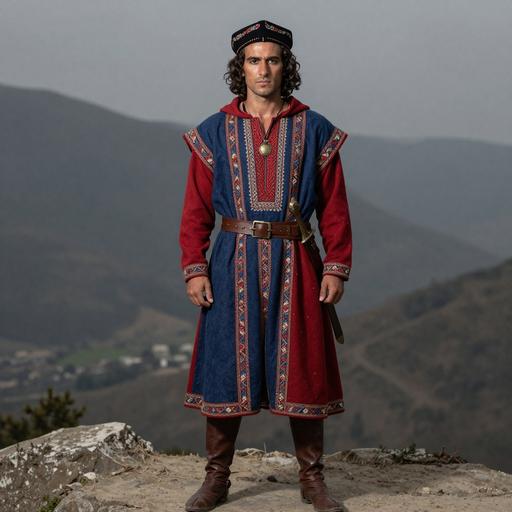
![Portrait of ancient individual I15706 from Albania, dated 1527-1660 calCE (270±13 BP) [R_combine: (260±20 BP, PSUAMS-7160), (275±15 BP, PSUAMS-8304)]](https://dgwebcontent.blob.core.windows.net/content/ancestry/ancient/img/individuals/v1_uUwSEh9F6qTX-I15706.jpg)