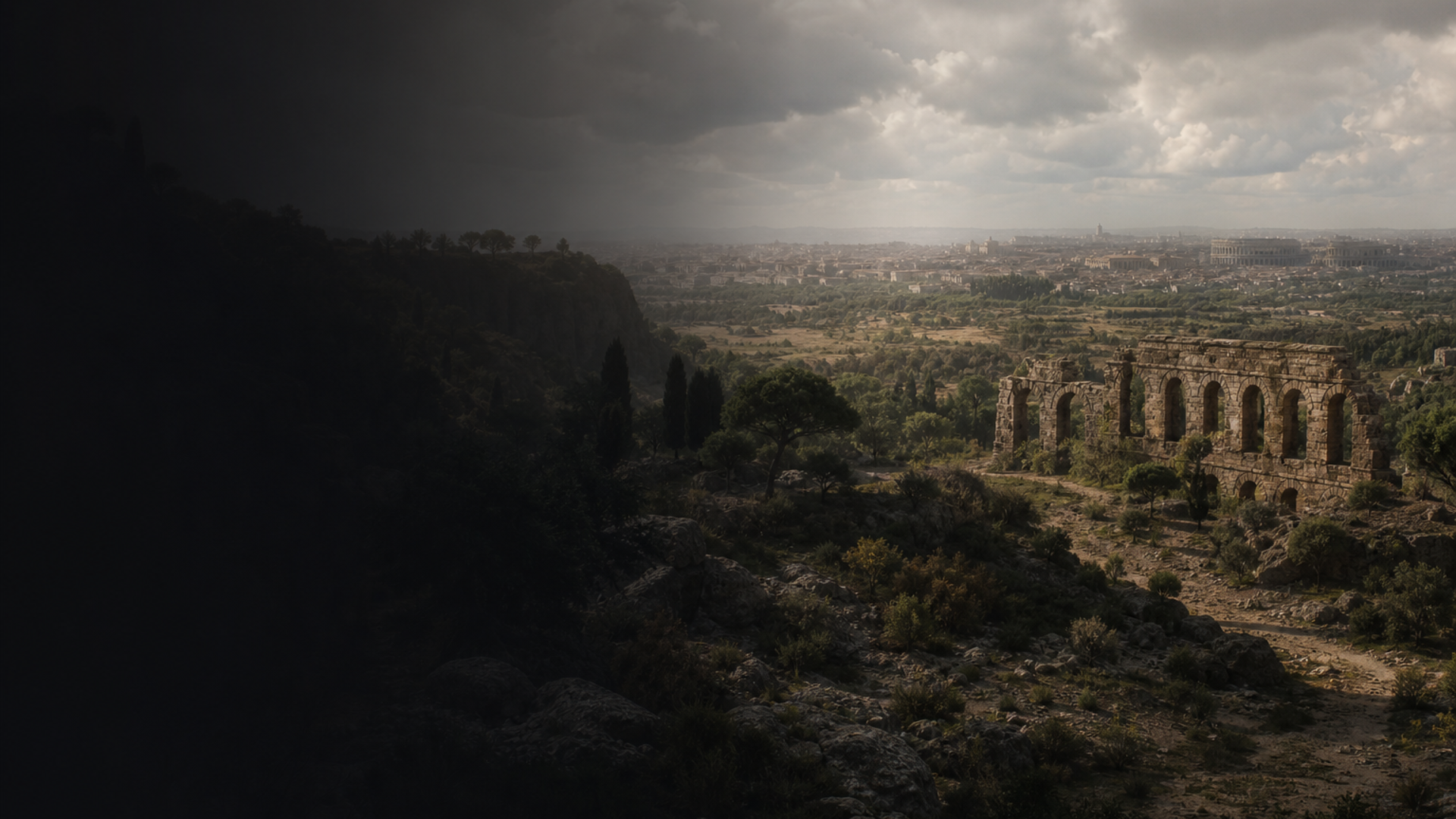
Life in Imperial Italy unfolded in streets of marble and packed earth, in workshops, temples, and dockside warehouses. Funerary archaeology from sites like Isola Sacra and the Necropoli Salaria captures social rhythms: varied burial rites, grave goods ranging from modest pottery to imported amphorae, and inscriptions that mark language, origin, age and status. These cemeteries served diverse communities—artisans, sailors, freedpeople, and families whose lives were stitched into Rome's commercial and administrative heartbeat.
Osteological indicators from comparable Imperial cemeteries suggest a population shaped by urban stressors: signs of repetitive labor, dental wear from gritty grains, and healed fractures consistent with manual work or accidents. Isotopic studies elsewhere in Rome hint at diets that mixed local cereals, Mediterranean fish, and imported foods, implying both local subsistence and far-reaching trade. Archaeological contexts here indicate social stratification; yet the genetic data (see next section) show that ancestry did not map cleanly onto status—people of diverse origins could be integrated across social roles.
Caution: cemetery excavations sample those who were buried in particular ways and places, not a full census of the living city. Thus, material snapshots are powerful but partial.