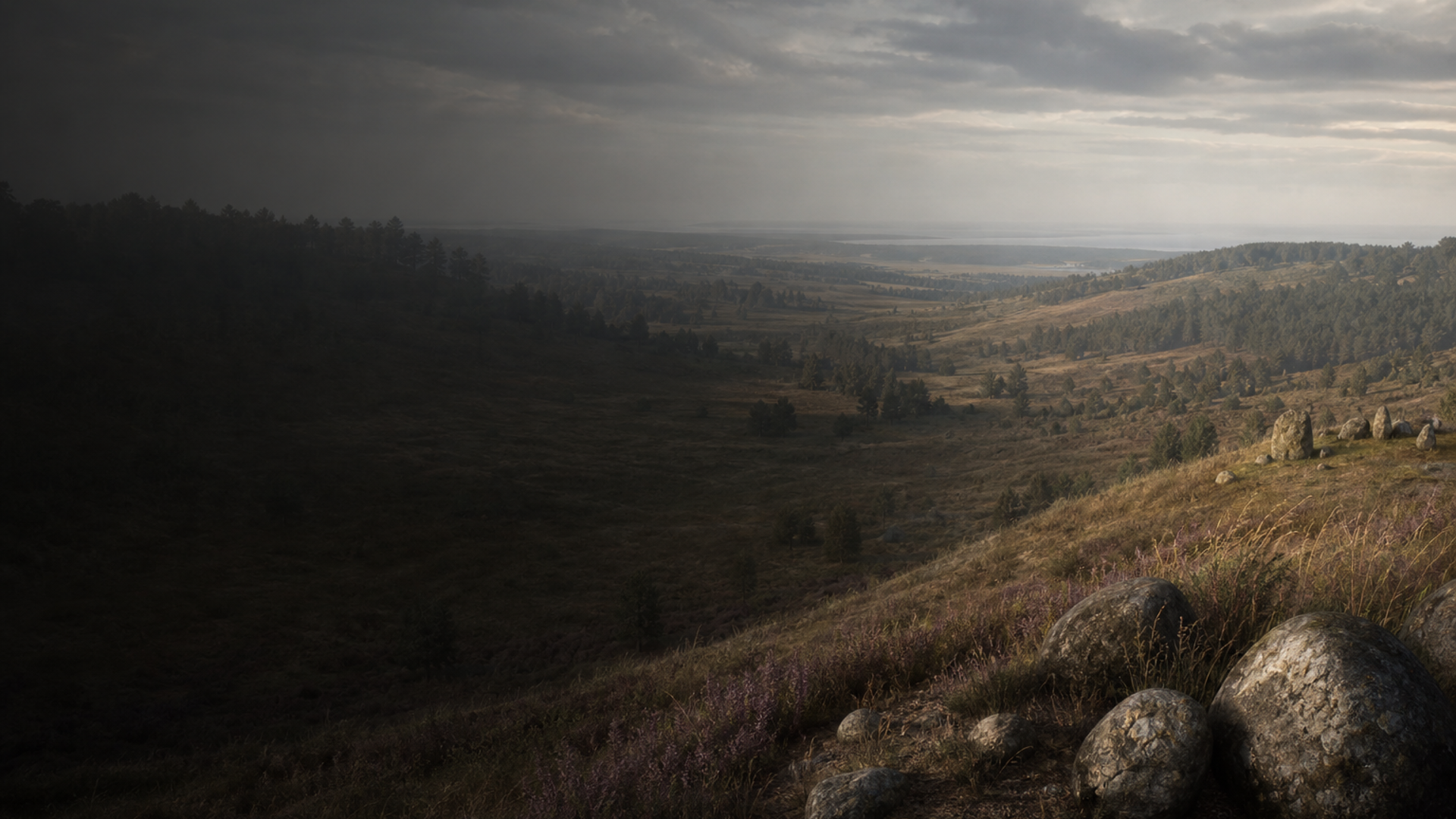
Imagine a shoreline morning on a Lithuanian lake: reed beds stir, flint tools flash, and pots are heated over small hearths. Archaeological remains from the region imply economies based on a mix of fishing, foraging, small‑scale cultivation and craft production. Woodland resources and waterways structured movement and seasonality.
Settlement traces and burial deposits suggest communities were small and mobile enough to exploit varied microenvironments, yet tied together by exchange of goods and ideas. Craftsmanship in ceramics and polished stone points to durable traditions, while new styles and raw materials hint at long‑distance contacts. Social life was likely organized in kin groups or small communities; mortuary variability indicates differences in status or ritual practice, but the limited dataset precludes firm social reconstructions.
Material culture and landscape use reflect resilience: people adapted to shifting climates and resource distributions, maintaining local knowledge while integrating new influences. The archaeological record here is fragmentary but rich in implication—when combined with genetic data, it helps reconstruct the lived world behind each genome.