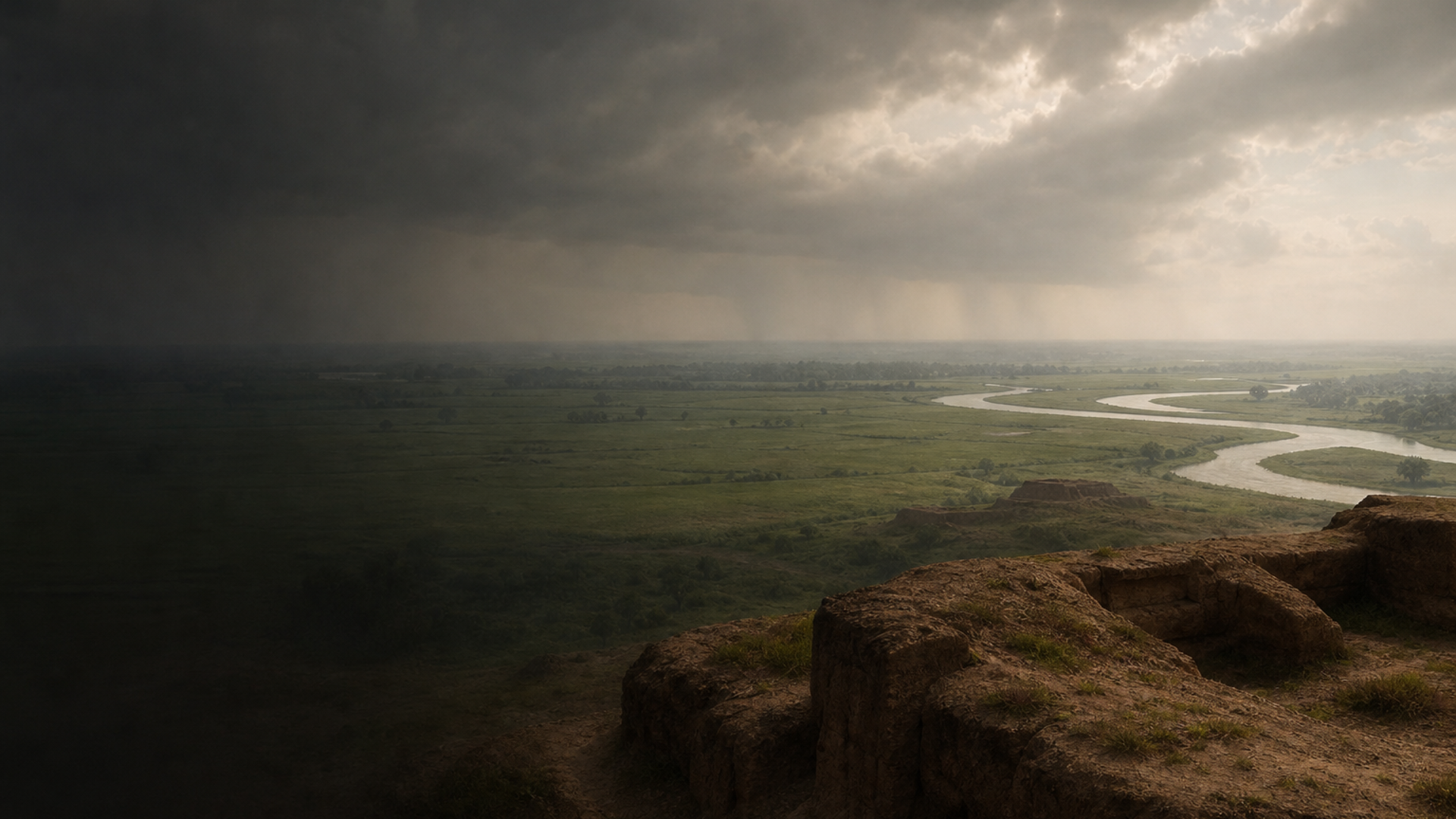
Modern daily life among the sampled communities in Dhaka and surrounding Bengali areas reflects an urbanized South Asian reality: dense riverine settlements, layered neighborhoods, multilingual trade networks, and diverse livelihoods from textiles to small-scale commerce. Archaeology helps frame these patterns by revealing earlier urban forms and craft specializations—kilns, beads, and terracotta from historic sites demonstrate craft continuity and long-distance exchange.
Ethnographic and archaeological lenses together illuminate how material culture and environment shape social life. Floodplain agriculture and deltaic ecology have long structured settlement, diet, and trade; historical ports and inland markets connected Bengal to Southeast Asia, the Indian subcontinent, and the Arabian Sea world. While modern identities—Bengali language, Islam and Hindu traditions, urban class structures—are recent configurations, they are built upon a deep substratum of regional practices visible in both artifacts and genetic signals. It is important to avoid over-reading modern behaviors onto the past; instead, consider modern social patterns as one end of a long, sometimes discontinuous trajectory.