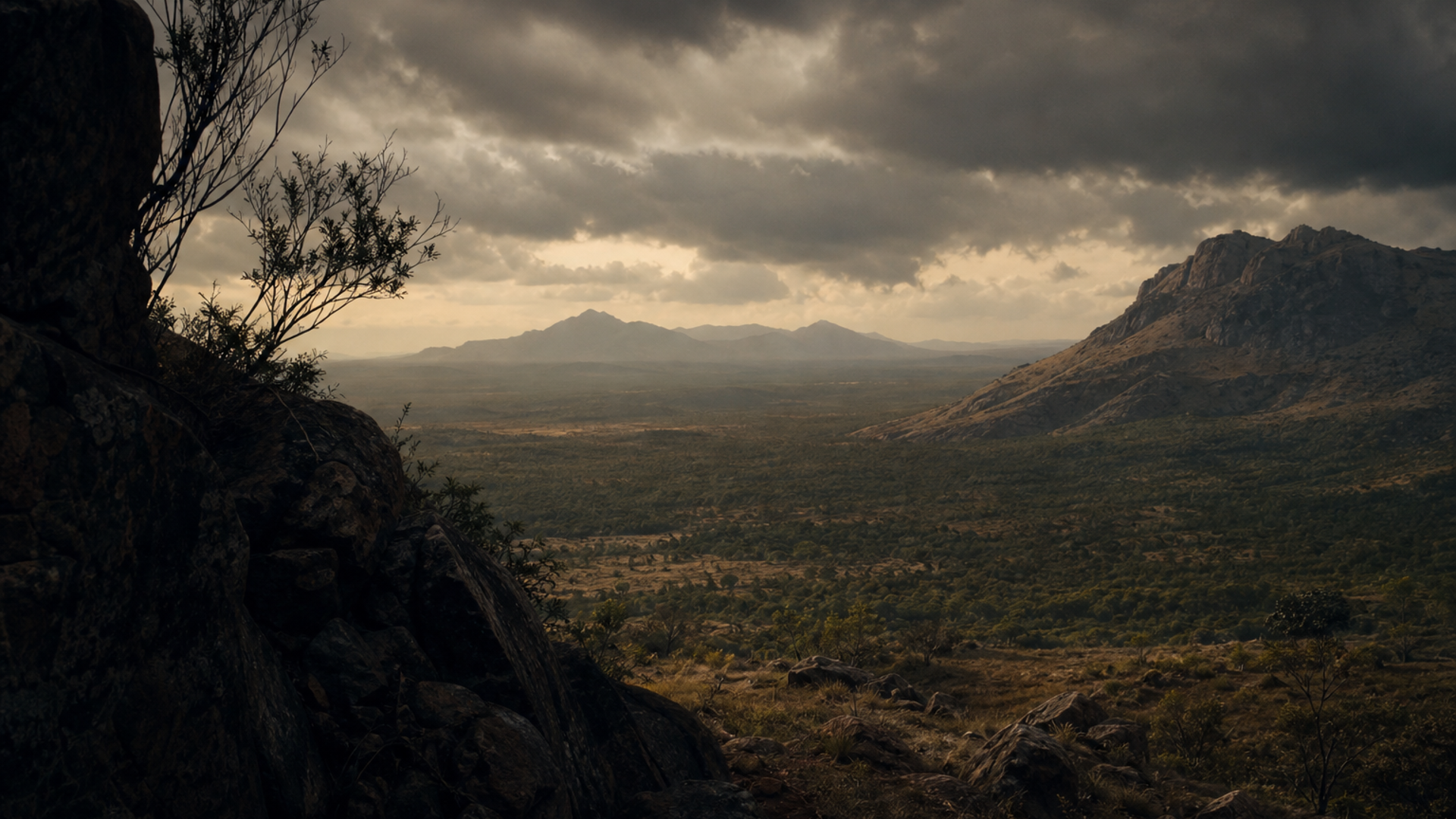
The daily world of coastal North Queenslanders was shaped by tides, seasonal rains and the riches of sea and river. Archaeological remains—shell middens, fishbone and faunal fragments, stone tool debris—point to a mixed economy of fishing, shellfish gathering, and hunting of marsupials and birds. Small campsites and repeated occupation of favoured estuaries suggest a rhythm of mobility tuned to resource availability.
Social life would have been organized through kin networks, songlines and place‑based knowledge passed orally across generations. Material culture was often lightweight and adaptive: grindstones, flaked stone tools, and organic implements suited to a coastal forager lifestyle. Rock art and engraved motifs across North Queensland testify to rich symbolic systems and ancestral narratives that anchored people to Country.
Archaeological data indicates trade and interaction across the Cape York and northeast Queensland coasts, exchanging stone tools, shell ornaments and knowledge. However, for the specific Cairns and Weipa samples the archaeological contexts are limited; inferences about social complexity and exchange remain provisional until broader excavations and multidisciplinary studies expand the dataset.