
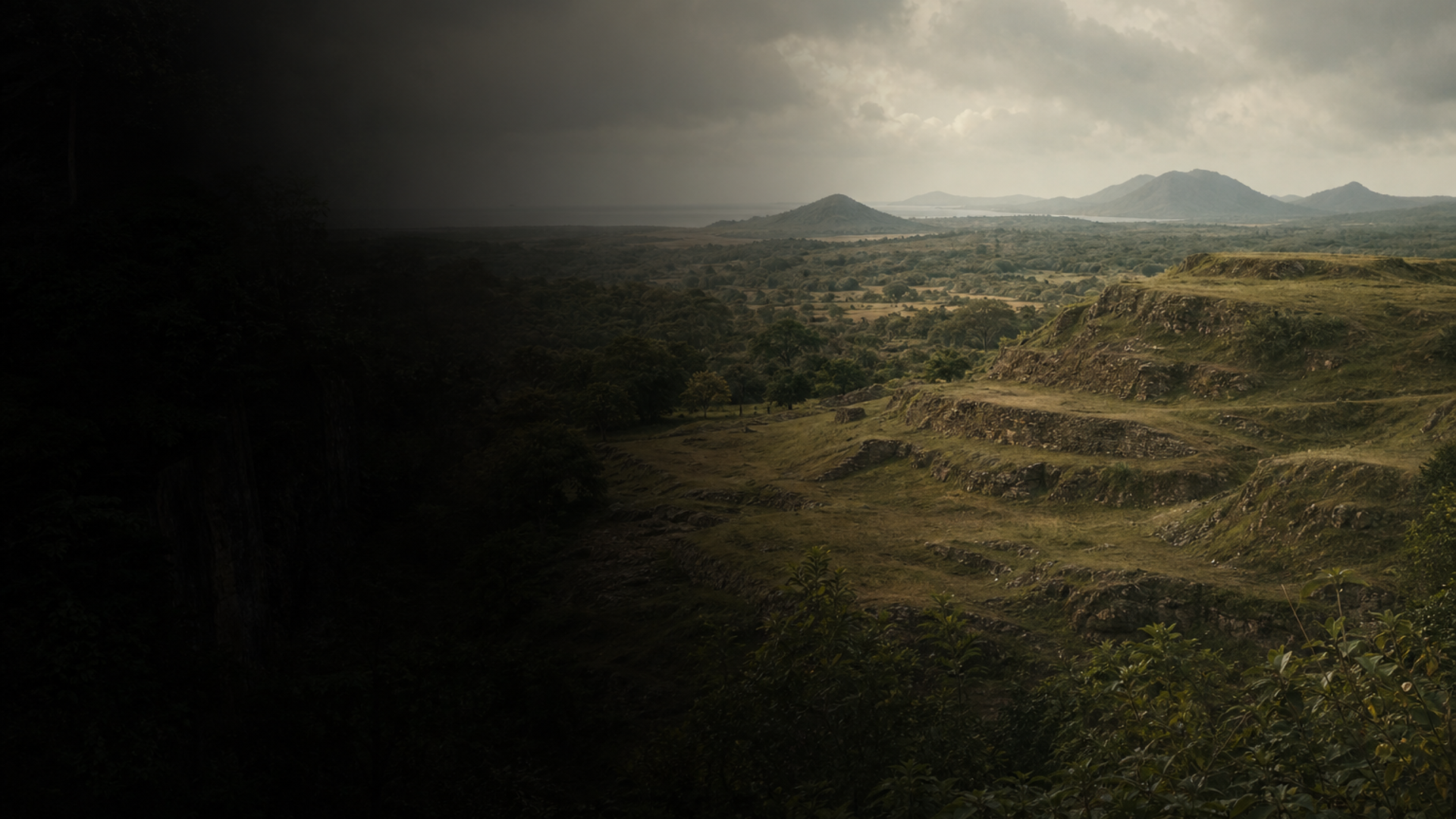
Everyday life for the people buried in these sites can be imagined through pottery sherds, shell tools, and the coastal tangle of mangroves and estuaries that sustained them. Archaeological assemblages from Coco del Mar and nearby loci contain utilitarian ceramics, worked shell, and food debris pointing to fishing, shellfish gathering, small-scale horticulture and hunting. Projectile points and cutting tools speak to terrestrial strategies; fishbone and mollusk concentrations show a heavy marine contribution to diets.
Mortuary practices provide glimpses of social identity. Bodies were interred with personal items — beads, shell pendants and occasional decorated ceramics — suggesting status markers or personal affiliations. Spatial relationships within cemetery pits and the variability of grave goods hint at social differentiation, possibly by age, gender or lineage, though the evidence is fragmentary.
Archaeobotanical and zooarchaeological data from the region more broadly indicate manioc, maize and fruit cultivation augmenting marine foods. The coastal environment shaped mobility and exchange: riverine routes served as highways for people and goods, and Panama’s narrow land bridge made it a conduit for ideas and objects between continents.





