
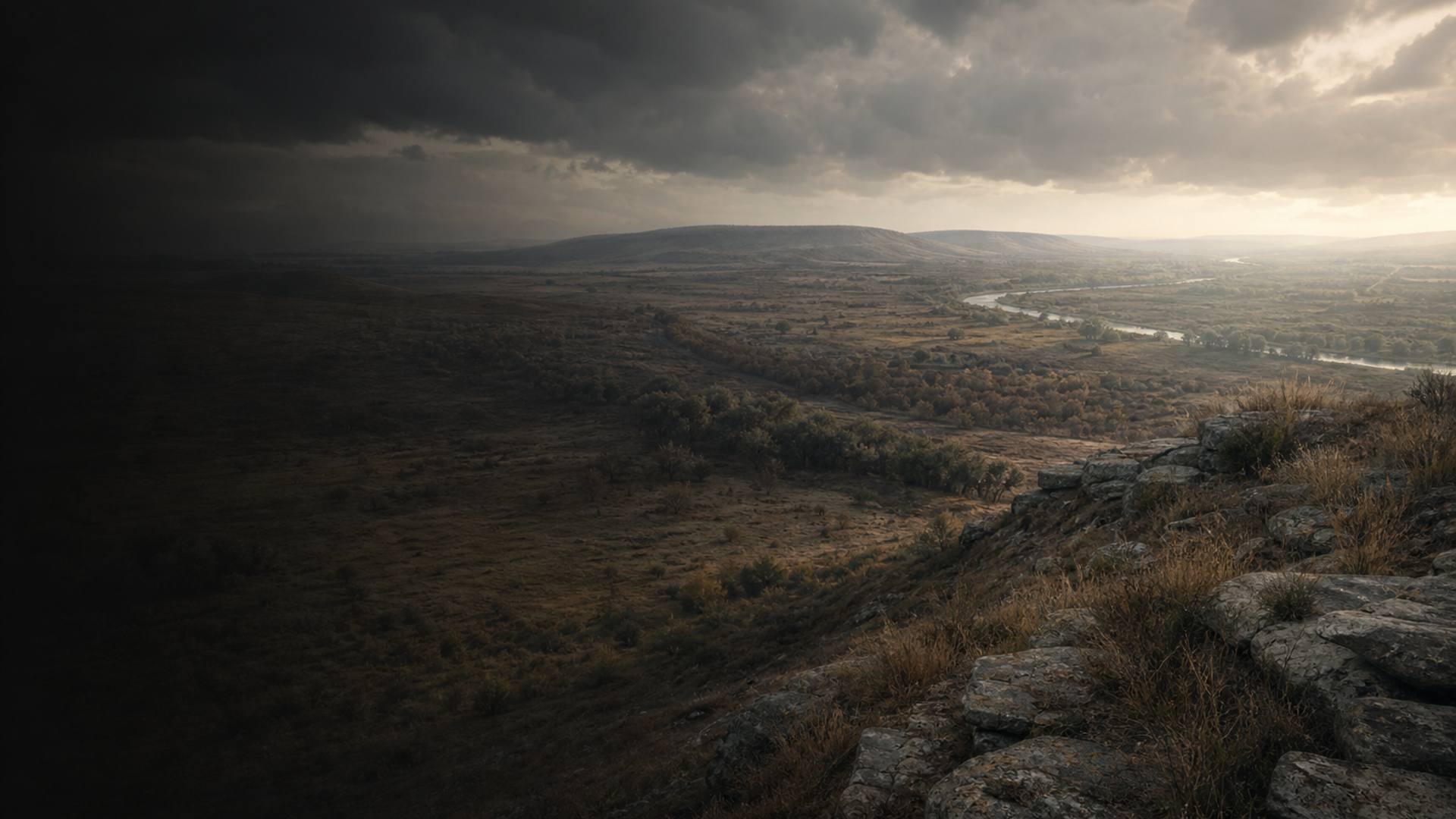
Daily life in Mesolithic Ukraine unfolded in a choreography of water, wood, and season. Archaeological layers at Vasil'evka and Dereivka I preserve hearths, bone points, and polished stone tools used for fishing, skinning, and woodworking. Micro-wear studies (where available) indicate intensive on-site processing of fish and game; shell and bone artefacts point to craft and ornament.
Settlement patterns were flexible: small, repeatedly occupied camps on river terraces, likely occupied seasonally, allowed groups to exploit spawning fish runs and migratory herds. Social landscapes were organized around kin groups with high mobility and resource-sharing across river corridors. Burials are relatively scarce but when present can include deliberate placement and grave goods that signal social identity tied to fishing and hunting roles.
Archaeobotanical and faunal remains emphasize a diet rich in freshwater fish, wild ungulates, and gathered plants. Technological continuity in microlithic toolkits suggests long-term knowledge transmission; at the same time, sporadic exotic raw materials and non-local haplogroups in the genetic record hint at episodic connections to distant groups.





