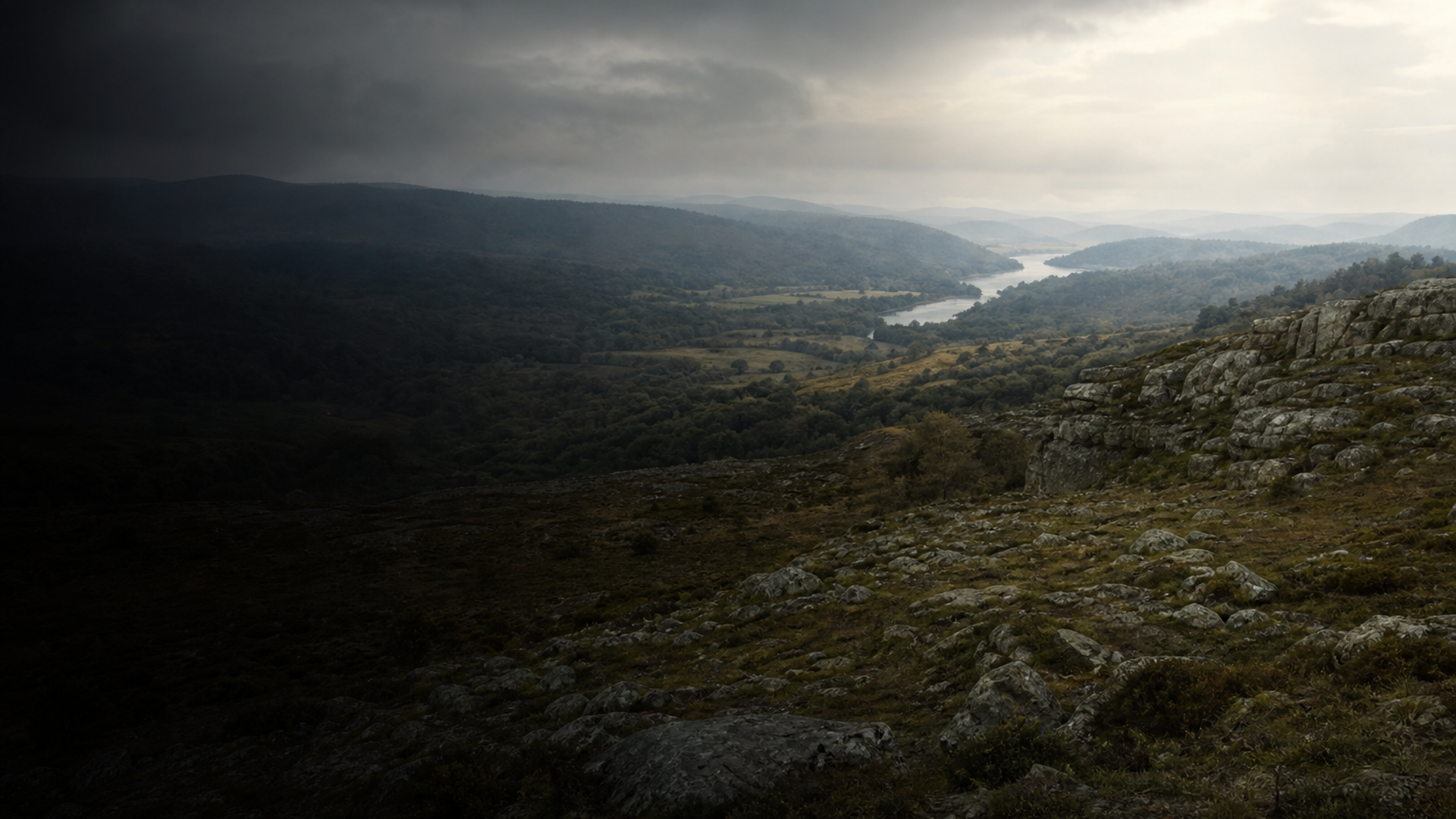
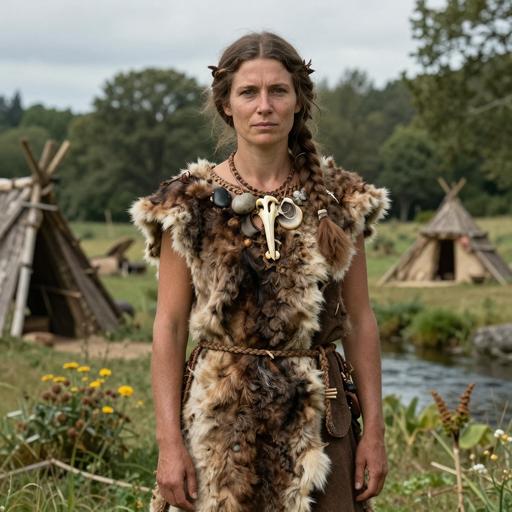
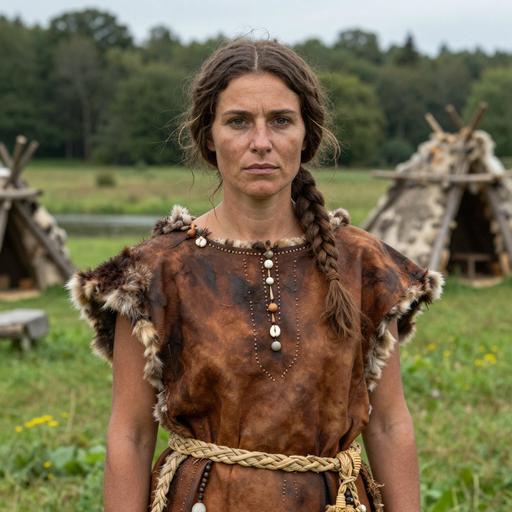
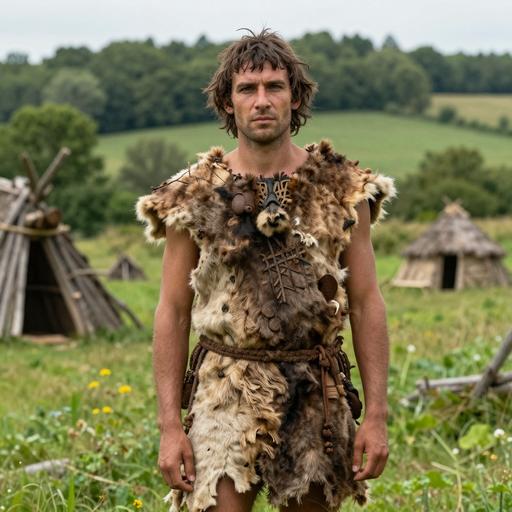
Life for Western European hunter-gatherers unfolded at the edges of water and forest. Seasonal camps clustered beside rivers and lakes where fish, waterfowl, and migratory mammals concentrated—evident from fish bones, bird remains, and specialized bone tools found at Motala, canal deposits, and coastal caves. Lithic industries emphasize small backed microliths, composite tools, and local stone economies (e.g., Swabian Jura raw materials at Bockstein).
Caves and rock-shelters functioned as both living spaces and ritual settings: Gough’s Cave and Aveline’s Hole preserve complex mortuary behaviors, sometimes including secondary processing of the dead. Artifacts and cut-mark patterns suggest layered practices—feasting, caching, and perhaps symbolic acts. Social groups were likely small and mobile but interconnected by exchange of raw materials and stylistic motifs, creating cultural webs across hundreds of kilometers.
Environmental change—sea-level rise, shifting coastlines, and forest expansion—shaped settlement patterns and resource use. Archaeobotanical and faunal remains show adaptive flexibility, while the archaeological record preserves moments of intense human presence and subtle, long-term reorganization of lifeways.