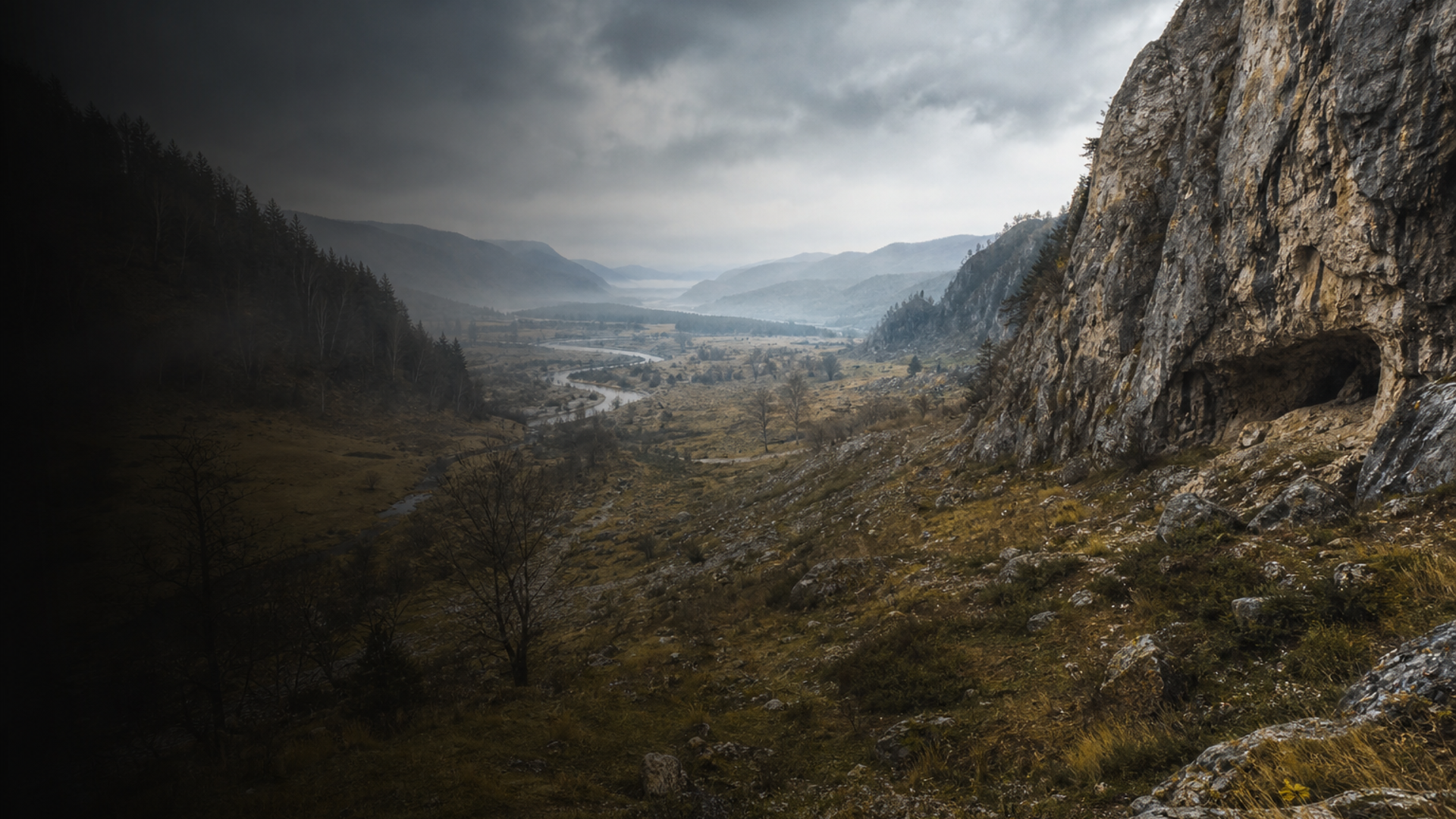
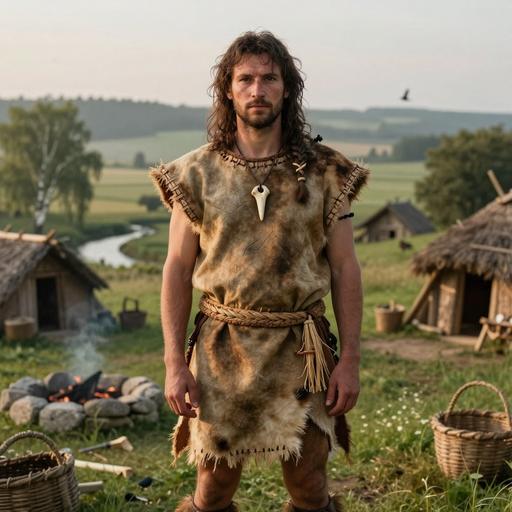
Life in Mesolithic Austria was shaped by seasonal rhythms and the availability of riverine and forest resources. Archaeological indicators from contemporaneous Central European sites suggest small, mobile groups organized into flexible bands. Daily activities likely centered on hunting red deer and aurochs, fishing with barbed points and nets, trapping small mammals, and gathering plant foods such as nuts and tubers when available. The manufacture and maintenance of microlithic toolkits — small, retouched bladelets and composite tools set into bone or wood handles — would have consumed substantial working time and knowledge transmission across generations.
Social life was probably organized around kin groups with fluid membership, enabling groups to scale up for seasonal aggregations such as fishing runs or raw material exchange. Hearths, temporary shelters, and caches are common features at contemporary Mesolithic camps, though preservation at Wöllersdorf is limited. Ornamentation and personal items, where present in the region, imply symbolic behavior and long‑distance connections in raw materials.
Because the archaeological record at Wöllersdorf is fragmentary and the genetic sample is a single individual, reconstructions of social structure remain hypothetical. Nevertheless, when archaeology is read alongside genetic data, even a single genome can reveal mobility patterns, possible sex‑biased residence, and connections to wider forager networks across Central Europe.