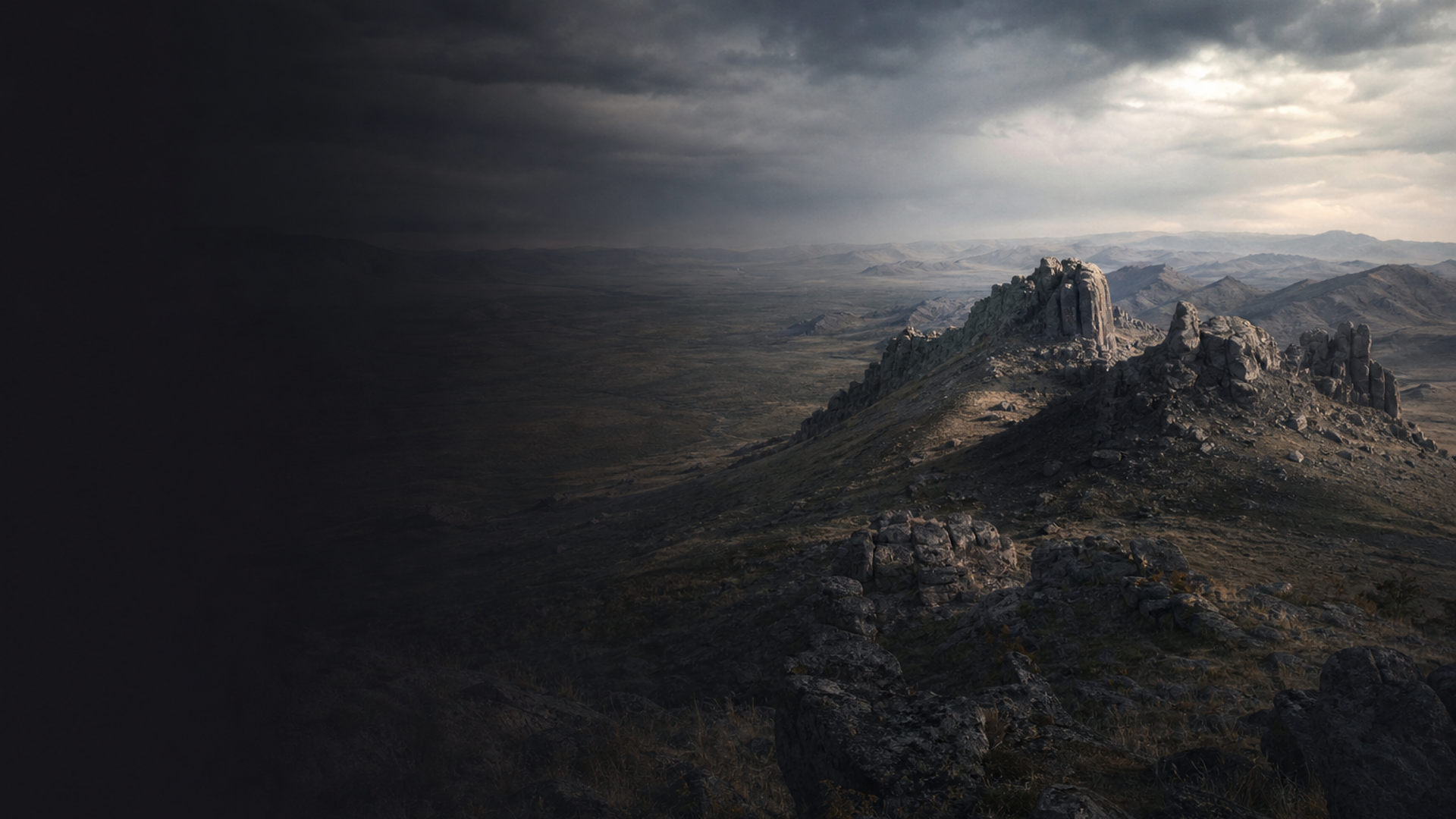
Archaeological indications from the West Liao River context suggest daily life at Longtoushan balanced agriculture, animal use, craft, and ritual. Pottery fragments, grinding stones, and storage pits point to millet and other small-grain processing, while faunal remains and hoofed-animal evidence imply managed herds and hunting played roles in diet and economy. The landscape — river terraces and grasslands — would have encouraged seasonal movements between permanent dwellings and satellite pastures.
Craft specialists likely worked bronze and bone, producing items used in everyday tasks as well as in display. Burials and mortuary deposits hint at social differentiation: some inhumations contain personal ornaments or tools, while others are modest, indicating emerging hierarchies or differences in wealth and status. Community life was shaped by networks of trade and marriage that connected Longtoushan to neighboring valleys and uplands; archaeobotanical and lithic exchange traces reinforce this image of an interconnected frontier. However, precise social structures, such as household organization or political authority, remain tentative given the limited excavated contexts for this site.