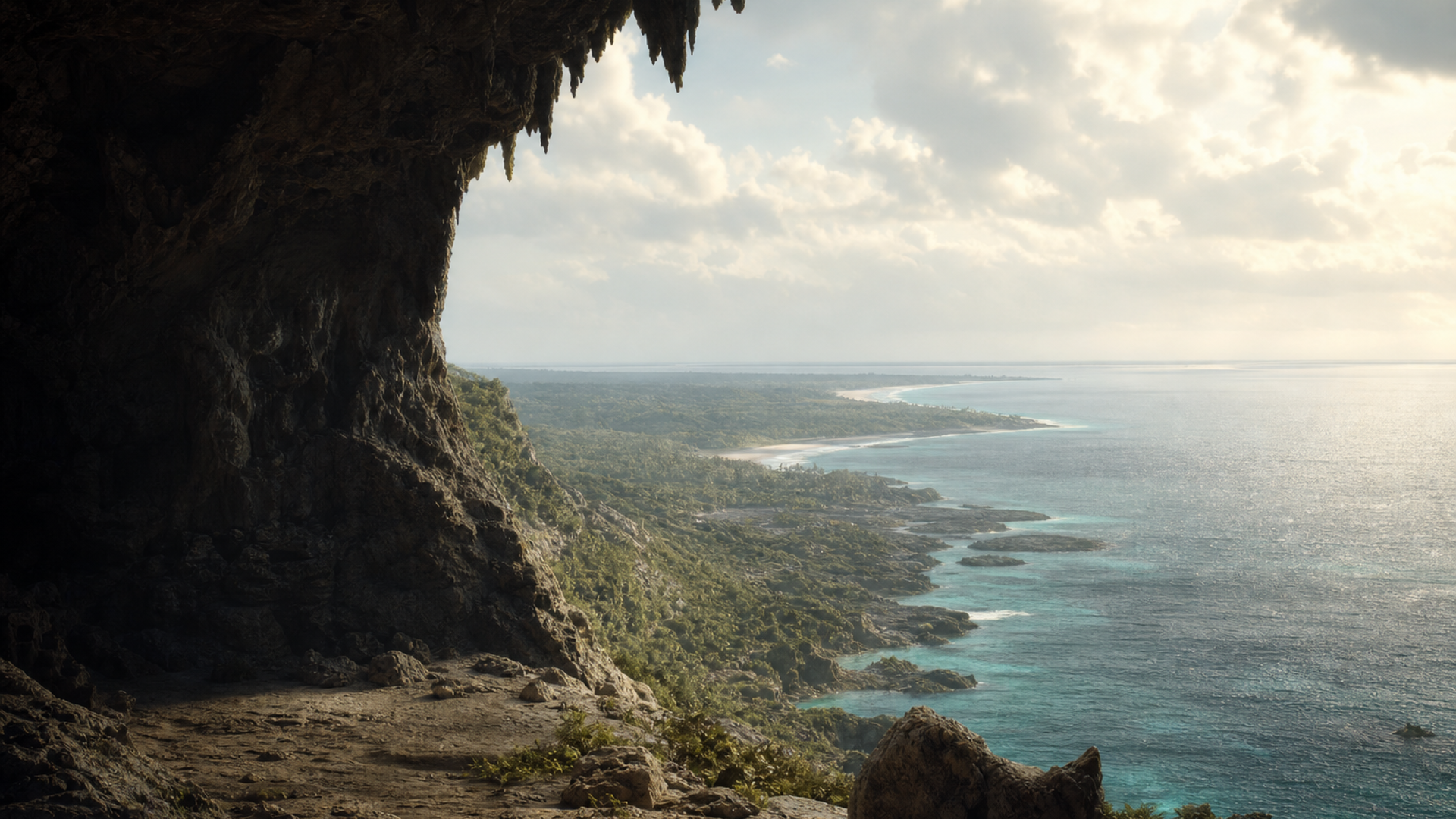
Life on Abaco during the Ceramic Period can be glimpsed as a cinematic coastal rhythm: dawn light on shallow reefs, canoes cutting across turquoise channels, and the steady shaping of clay into shallow bowls and cooking dishes. Archaeological deposits recover fish bone, conch, turtle remains, and shellfish middens that indicate marine resources formed the backbone of subsistence. Occasional terrestrial remains imply small-scale horticulture or gathered roots and fruits supplemented diets, though direct botanical preservation in these island caves is limited.
The presence of decorated ceramics and standardized shell tools suggests craft specialization and exchange. Caves and rock shelters contain discrete assemblages that archaeologists interpret as storage, ritual space, or burial loci; human remains recovered in some cave contexts (where ethically and legally studied) indicate varied mortuary treatments. Social life likely centered on kin groups with mobility along island chains—seasonal movements and canoe-borne trade connecting Abaco with neighboring islands.
Yet caution is essential: the archaeological picture is patchy, and preservation biases (erosion, sea-level change, and site disturbance) preferentially hide or destroy evidence of plant use, housing, and ephemeral structures. The surviving traces give us a compelling, if incomplete, portrait of resilient island communities who navigated both sea and social networks across the pre-Columbian Caribbean.