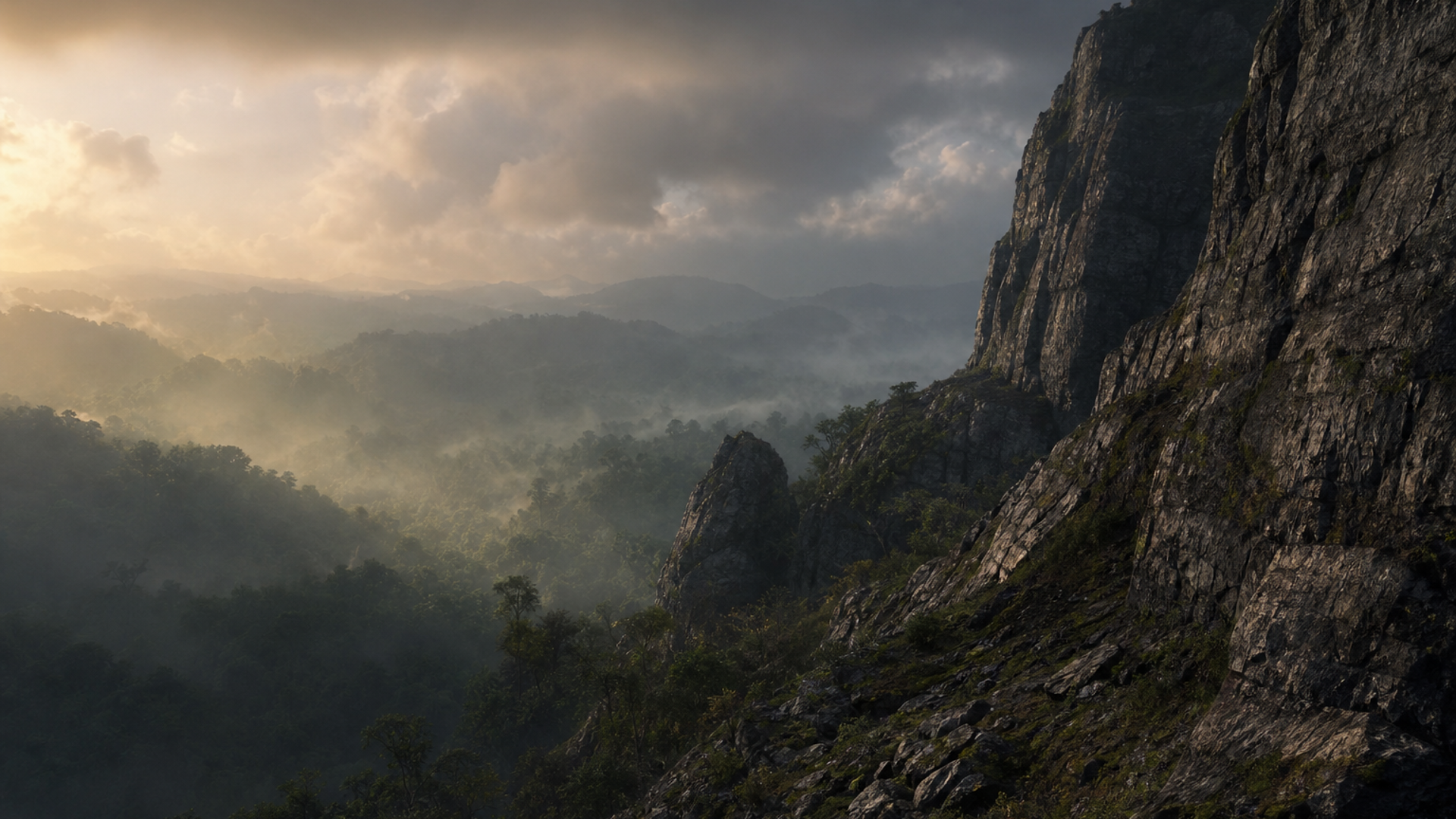
Archaeological remains at Mayahak Cab Pek sketch a portrait of intimate, landscape-attuned living. Hearth features, fragmented fauna, and stone tool assemblages imply small groups practicing seasonal rounds: exploiting riverine fish, wild tubers, and forest game. Shell and plant remains are sparse but point to diverse diets tuned to tropical ecologies.
Social organization for such Archaic communities likely emphasized flexible mobility and kin-based bands. Toolkits were lightweight and multifunctional—projectile points, scrapers and grinding stones—suited to a mixed foraging economy. The rugged terrain of the Toledo District, with caves and springs, would have provided reliable microhabitats for food and shelter, shaping patterns of movement and site reuse.
Burials are rare at this site; the single archaeogenetic sample derives from one interment or human-associated context, so funerary practices and social ranking cannot be reconstructed with confidence. Nevertheless, the material record suggests knowledge transmission across generations: refined lithic technology and repeated use of processing areas imply cultural continuity even in small, mobile groups.
Archaeological data indicates these lifeways were part of a long continuum that later enabled more sedentary, agricultural societies in the region.