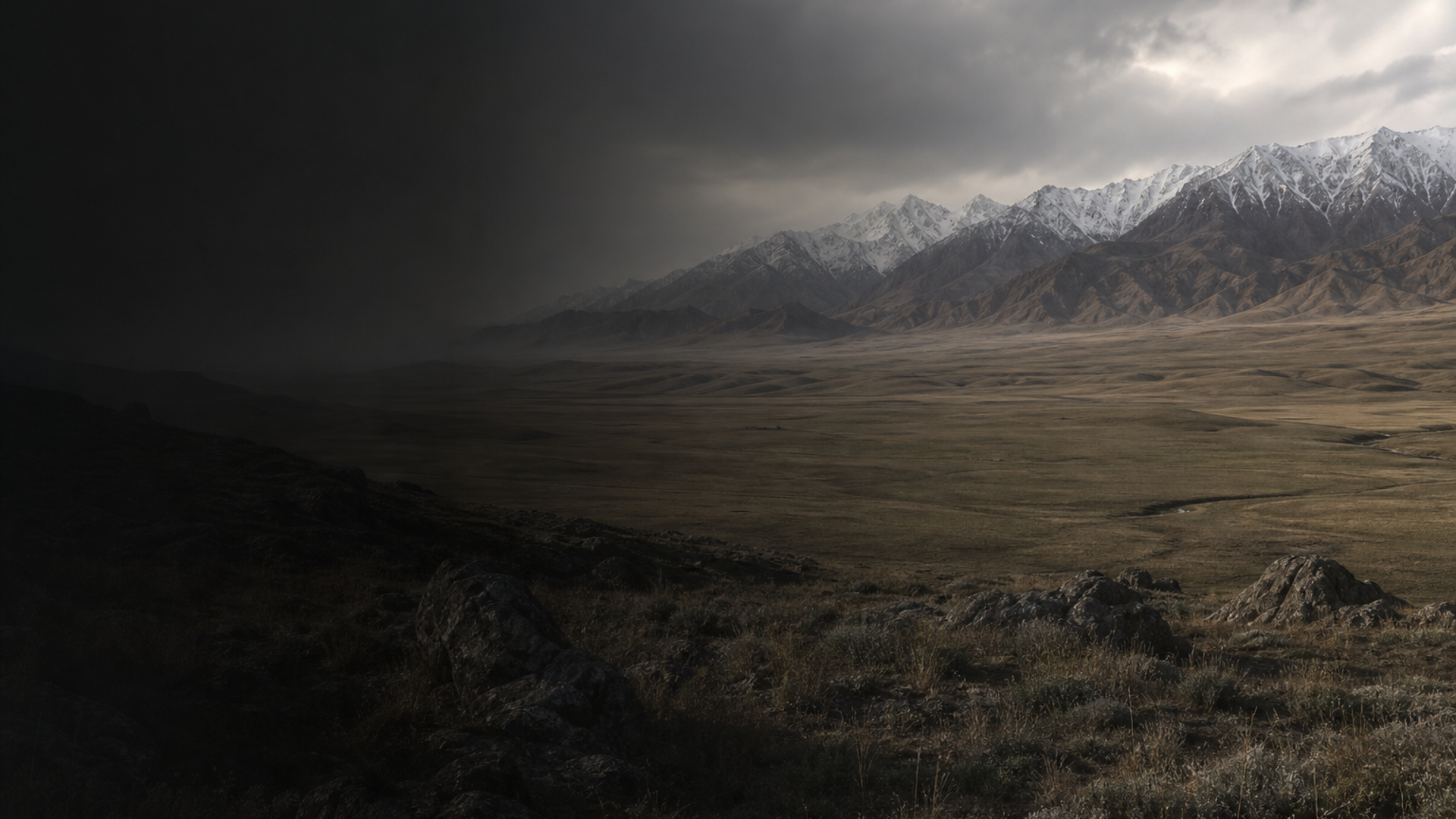
Archaeological indicators from Late Iron Age Xinjiang emphasize mobility, pastoral strategies, and seasonal use of landscapes; Wulanbuluke likely participated in this ecology. Portable material culture, ephemeral hearths, and burial traces in comparable regional sites suggest communities balanced herding, small-scale cultivation in river valleys, and exchange along upland corridors. At Wulanbuluke, the archaeological footprint appears limited, but the site's location in the Yili basin places it within a mosaic of pastureland and transregional routes that would have shaped daily rhythms.
Social life in such settings is often structured around kin groups, herd management, and the maintenance of networks for marriage, trade, and information. Ritual practices and funerary variability across Xinjiang's Iron Age show a range of mortuary behaviors; however, the Wulanbuluke sample is too small to characterize local rites confidently. Material remains that do occur—ceramics, metal fragments, or textile impressions at contemporaneous sites—hint at skilled craftwork and long-distance connections. Archaeological data indicates that communities here were neither isolated nor static: seasonal movement, exchange of animals and goods, and episodic contacts with neighboring highland and steppe groups were probably part of everyday life.
Because evidence at Wulanbuluke is fragmentary, reconstructions of social structure and economy must remain cautious and comparative, drawing on broader regional patterns rather than site-specific certainties.