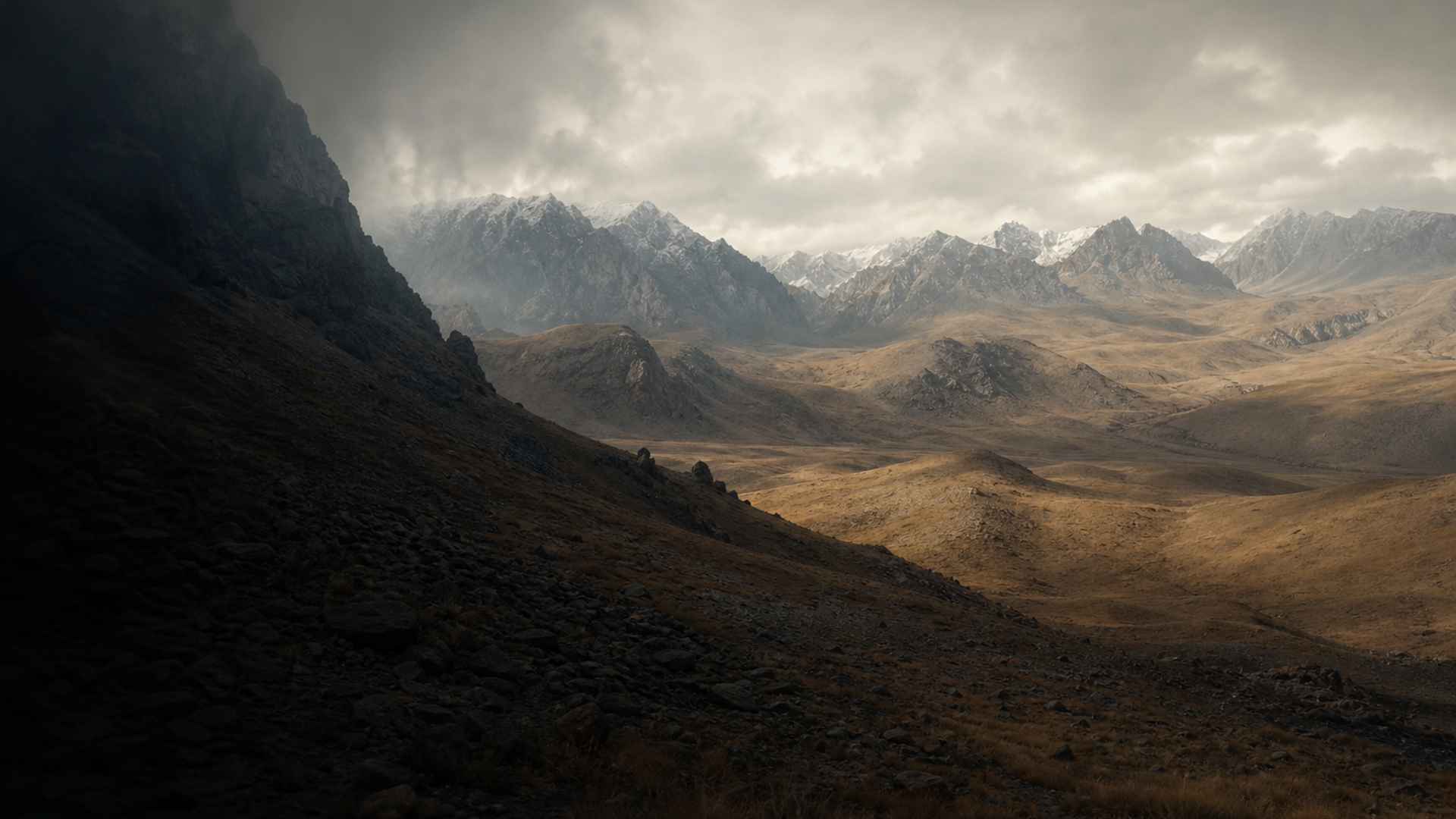
The lived world of Late Saka communities in the Tian Shan foothills was shaped by seasonality and mobility. Archaeological analogies from across the Central Steppe suggest economies dominated by pastoral herding (horses, sheep, goats), seasonal encampments, and the exchange of metalwork, textiles, and animal products along river corridors and mountain passes. At sites like Turgen-2, funerary contexts offer our clearest windows into social practice: burial arrangement, skeletal pathologies, and associated objects can indicate status differences, mobility-related wear on bones, and dietary tendencies.
Material culture commonly linked to Late Saka groups includes worked bronze and iron, ornamented horse harnesses, and portable wealth used in mobile lifeways. However, it is important to note that specific grave goods and domestic assemblages from Turgen-2 are documented in limited numbers; archaeological interpretations therefore emphasize plausible models rather than firm reconstructions. Osteological data — when preserved — can reveal workloads, childhood stress, and episodes of trauma consistent with a society where mounted pastoralism and intergroup encounters were part of everyday life.
In short, the Turgen-2 individuals likely lived within a matrix of seasonal movement, kin-based herding economies, and long-distance contacts, but the small sample constrains detailed social reconstructions.