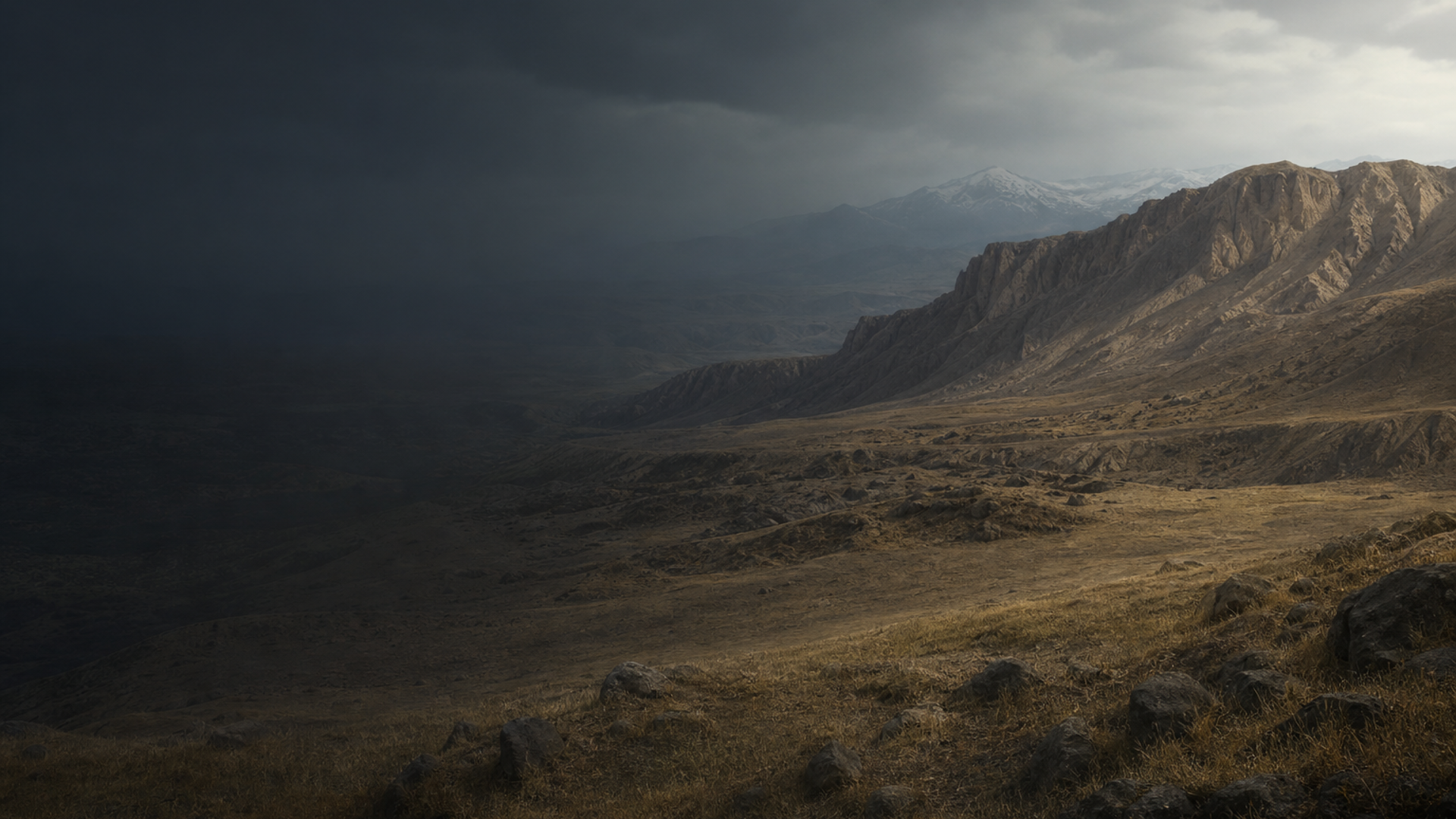
The human stories inferred from Wutulan are those of an open landscape where rivers, pastures, and roads converged. Archaeological indicators across the Yili basin suggest mixed economies: herding of sheep, goats, and possibly horses combined with cultivation of cereals in irrigated terraces. Grave assemblages in the region often contain items that reflect mobility (tools, stitched textiles) and long-distance exchange (metal objects, exotic beads), implying households that balanced local production with trade.
Social life in Iron Age Wutulan likely revolved around kin groups and seasonal movement. Differences in burial treatment and accompanying goods hint at emerging social distinctions—status, age, and possibly gender roles—though the eleven sampled burials provide only a narrow window. Community cohesion would have depended on riverine resources, cooperative irrigation, and ties to caravan routes that funneled goods and people across the Eurasian corridor. Conflict and alliance-making with neighboring steppe groups are plausible, as steppe polities intensified interactions during the first millennium BCE.
Archaeobotanical and zooarchaeological data from the broader Yili region support a resilient, adaptable lifeway: farmers and herders who could provision caravans and sustain communities in a seasonal environment. These patterns set the stage for the fuller integration of Xinjiang into transcontinental networks in subsequent centuries.