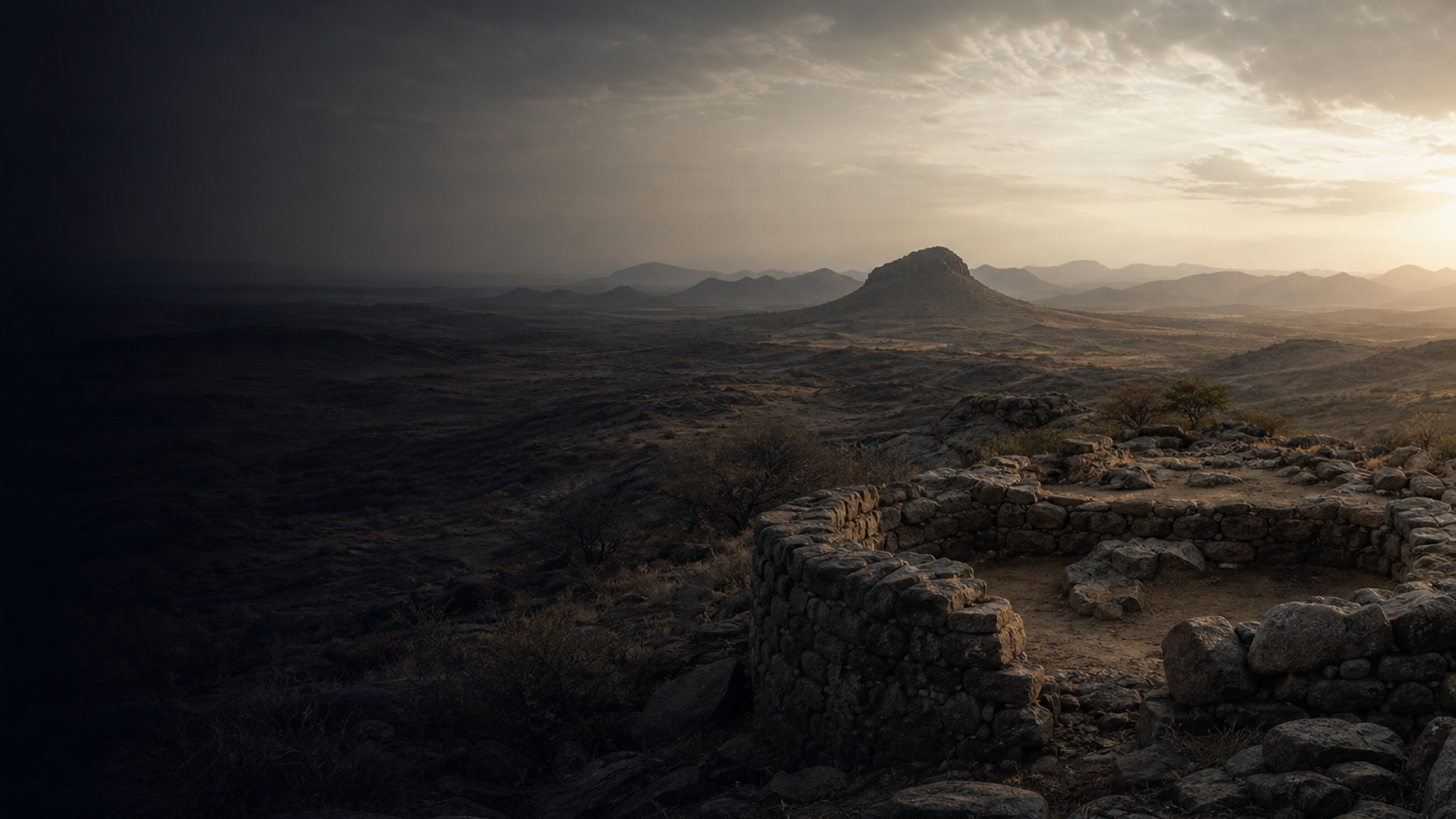
At Xaro, daily life would have been shaped by seasonal rhythms: planting and harvesting, managing small herds, and maintaining hearth and forge. Archaeological remains — charred grains, grinding stones, bone fragments, and iron slag — point to a mixed subsistence economy in which farming and animal husbandry were complemented by hunting and wild-gathering. Pottery sherds and hearth features imply household-focused production, while concentrations of slag and tuyère fragments mark localized smithing areas where iron tools and ornaments were fashioned.
Material culture evokes social practices: decorated ceramics may have signaled family identities or networks, while iron tools underpinned land clearance and craft production. The absence of large monumental architecture suggests communities organized around kin groups and open settlement patterns rather than hierarchical polities. Burials at or near Xaro are scarce in current records, limiting insights into status differentiation, age profiles, or mortuary ritual. Zooarchaeological traces indicate domesticates were important, but wild species remain part of the diet, reflecting flexible strategies in variable environments.
Archaeological interpretations emphasize everyday craft, seasonal mobility within home ranges, and community-level cooperation in ironworking and food production. Yet these reconstructions are provisional, built from a modest dataset that invites further excavation and interdisciplinary study.