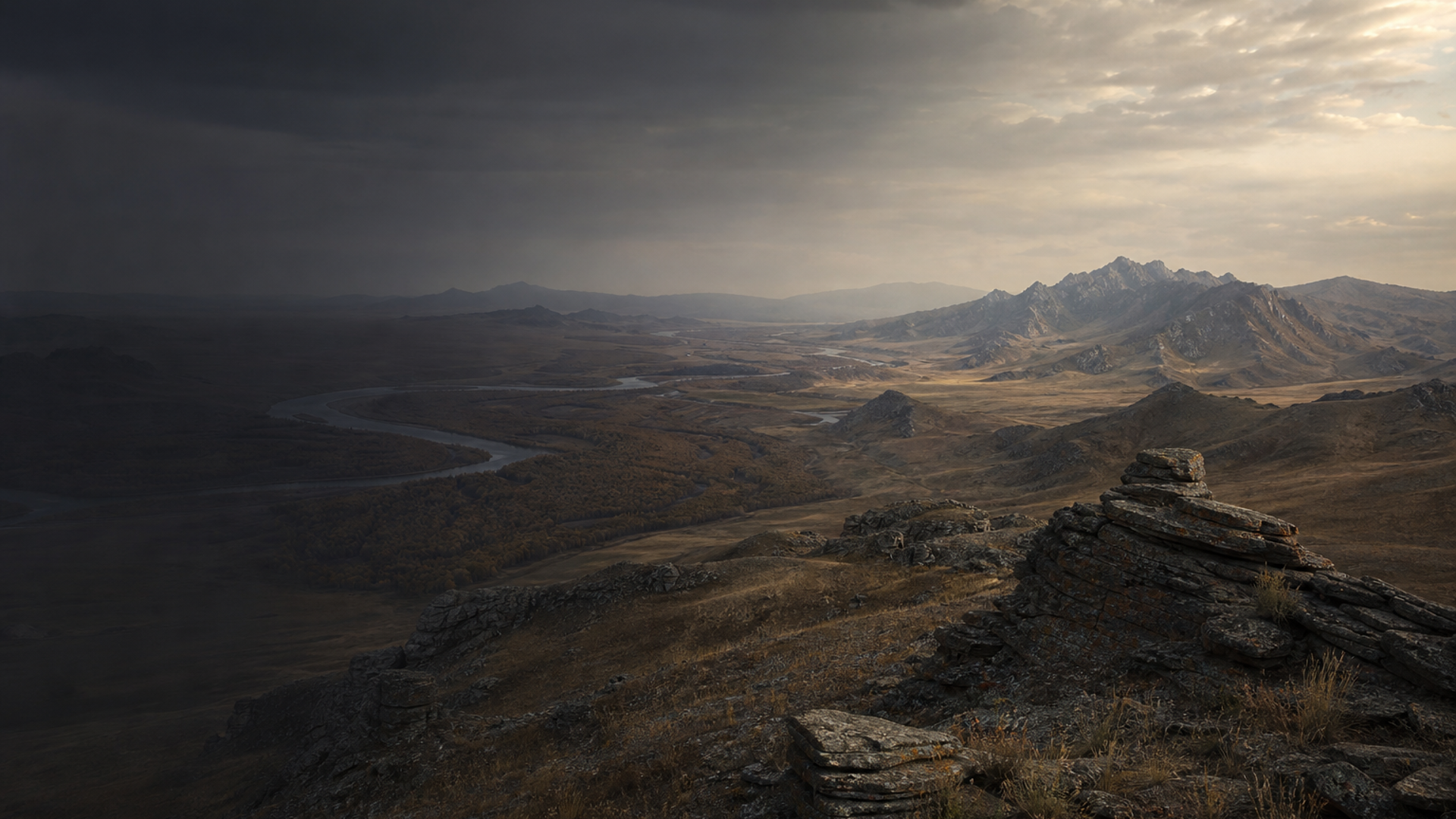
Life on the Xiongnu steppe revolved around mobility, herds, and horses. Archaeological traces of felt, bone, and leatherwork, together with corrals and temporary hearths, indicate seasonal movement of camps across pasturelands. Horse bridles and stirrups found in graves and surface finds emphasize mounted riding and equine husbandry as central to transport, warfare, and status display.
Social differentiation appears in grave size and goods: some burials contain lavish metalwork and horse equipment, while others are modest. This contrast suggests a ranked society with leaders who commanded resources and alliances. Trade and tribute—documented in material exchange with Han China to the south and steppe neighbors to the west—would have provided luxury goods and raw materials that augmented pastoral economies.
Archaeological data indicates funerary practice was a key arena for expressing identity: the placement of human and horse remains together, use of tumuli, and inclusion of weaponry or ritual artifacts signal beliefs about status, afterlife, and the centrality of mounted life. Environmental evidence shows adaptation to harsh continental climates, with seasonal strategies that sustained herds through extremes.