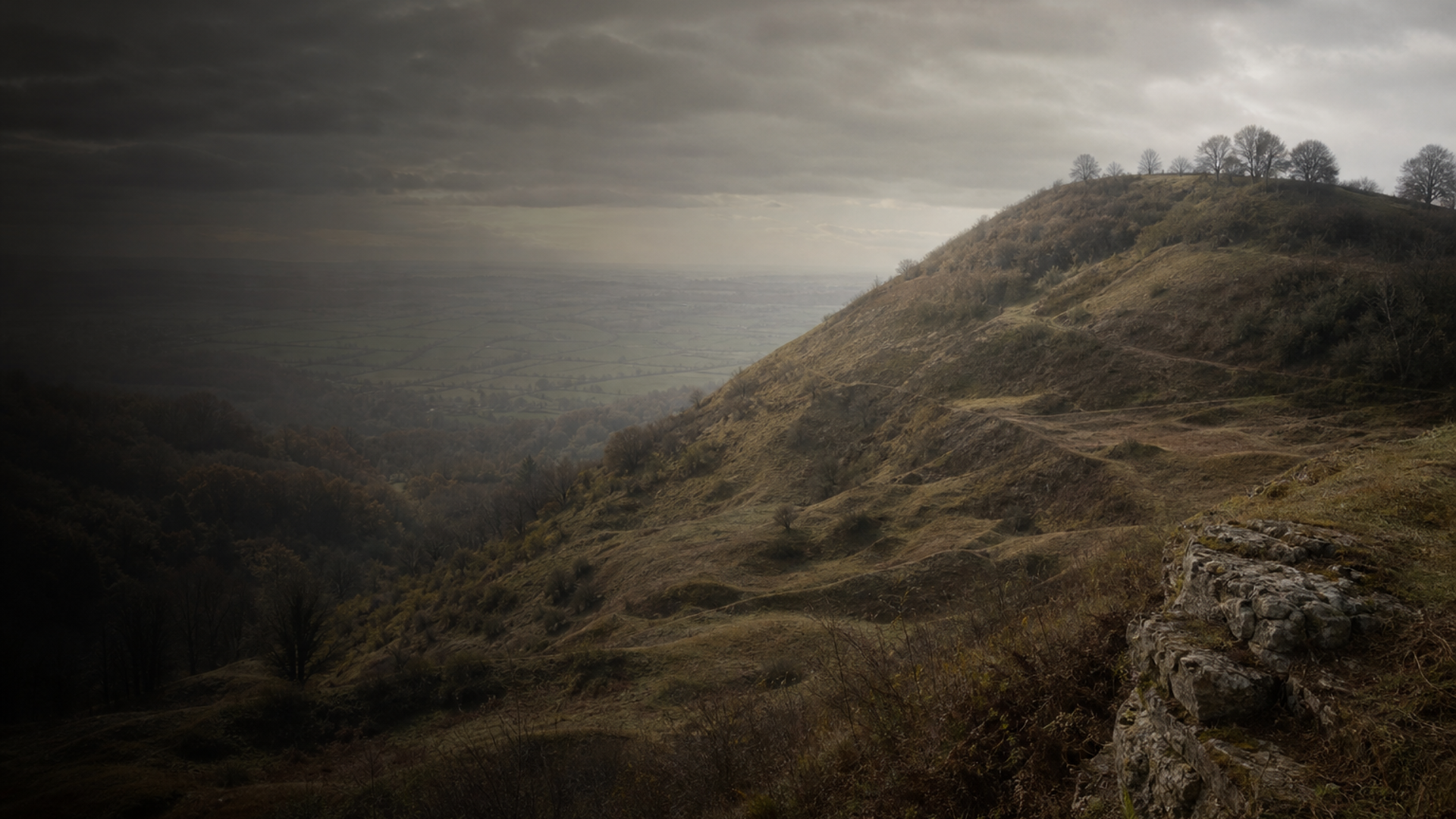
Archaeological traces from the Yonne landscape evoke daily rhythms of field, craft, and river trade. Agricultural terraces and pollen records in the wider Bourgogne region suggest cereal cultivation and mixed farming sustained communities; local craft specializations included iron tool production and ceramic traditions that echo broader La Tène aesthetics. Finds from nearby Iron Age sites reveal household assemblages of grinders, loom weights, and iron blades — tools of labor, textile production, and food preparation.
Burial practices in the region vary, and at Gurgy Les Noisats the small number of recovered individuals limits firm conclusions. Skeletal remains can preserve evidence of diet, workload, and interpersonal violence; where preservation permits, isotope studies often help reconstruct childhood mobility and consumption. In this case, there is potential to explore river-based exchange routes along the Yonne and Seine that connected these communities to markets and cultural ideas across Gaul.
Social life likely balanced kin-based households with emerging social hierarchies visible elsewhere in Iron Age France (e.g., grave goods and settlement fortifications). Yet the cinematic image of chieftain graves and abundant ornaments should be held lightly here: the Gurgy assemblage is modest, and archaeological data indicates a community rooted in local landscapes, interacting with but not wholly subsumed by continental trends.