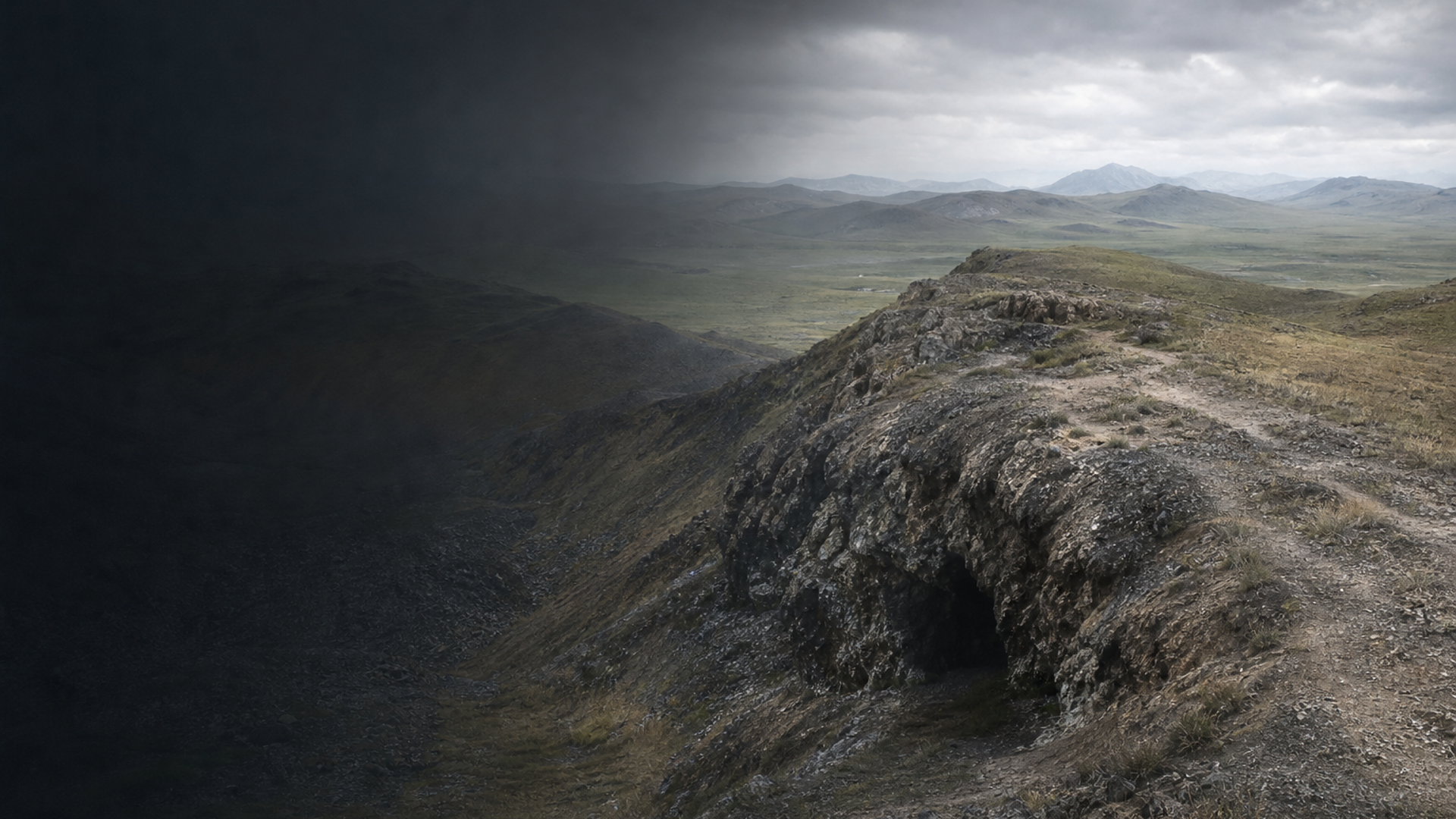
Daily life at a mining site like Zhalainuoer would have been shaped by the rhythm of extraction and smelting: seasonal labour to follow ore veins, fires kept hot for bloomery furnaces, and workshops where metal was forged into tools, nails, or ornaments. Archaeological data indicates temporary habitations and work-focused architecture at comparable sites, with a social fabric woven from itinerant miners, resident smiths, pastoral families, and traders.
Foodways in northern China’s frontier zones combined agriculture, foraged resources, and livestock herding. Craft specialists lived alongside households, and the constant demand for fuel and water would have structured settlement patterns. The cinematic image is of smoke-streaked mornings, the steady ring of hammer on anvil, and caravans arriving with salt, cloth, or traded goods. Social organization likely ranged from household-based workshops to small corporate groups controlling access to mine pits and smelting sites. Archaeological evidence, however, is fragmentary for Zhalainuoer specifically, and much of the social reconstruction draws on parallels from documented Iron Age and Han-period frontier sites.