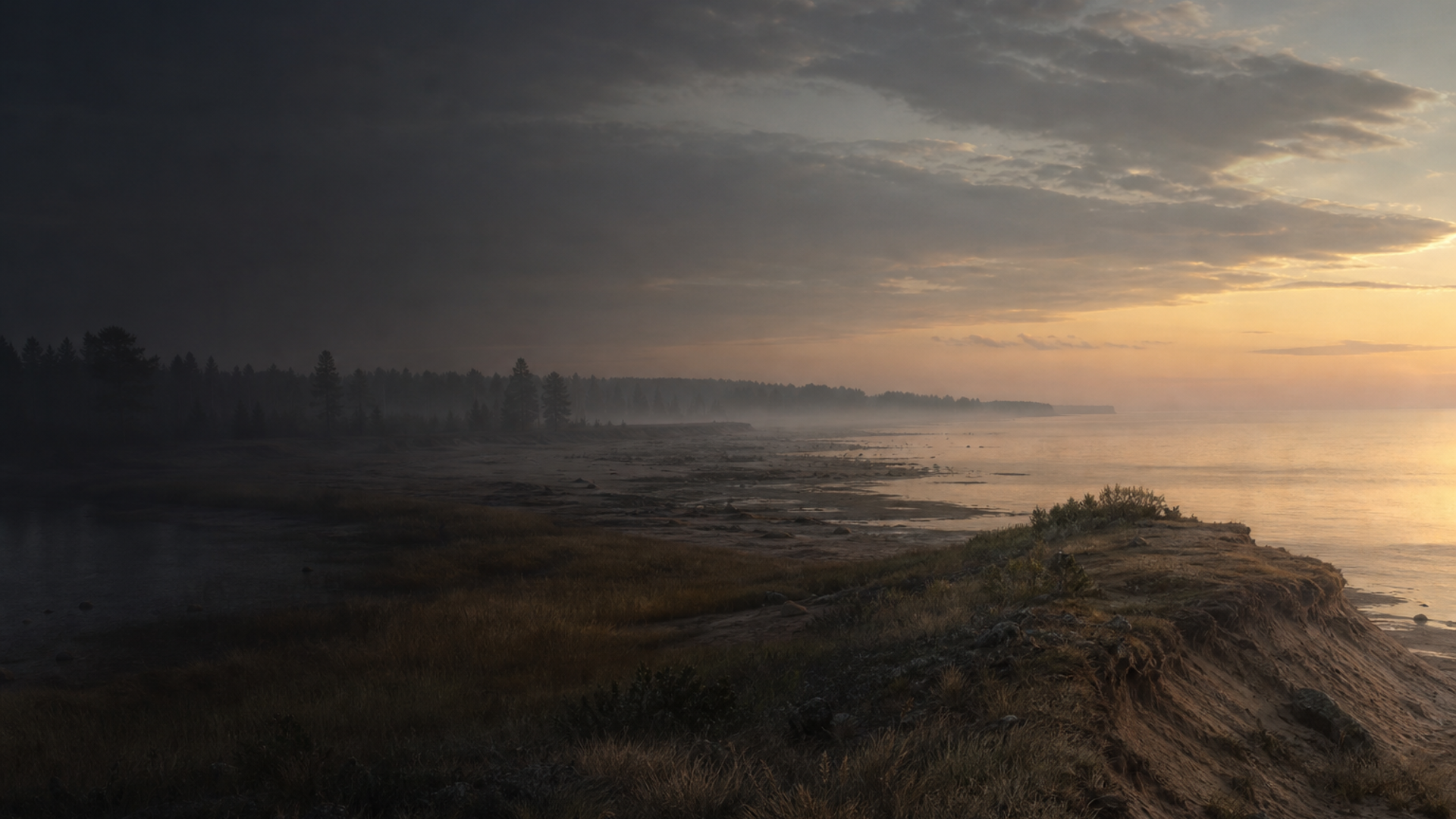
Archaeological remains at Zvejnieki evoke a landscape of water and wind: camps and burials set beside lakes and marshes where fishing, fowling, and seasonal hunting structured the year. Bone and antler points, flint microliths, and midden deposits point to a diet rich in freshwater fish and birds, supplemented by elk, beaver, and gathered plants. Archaeological data indicates specialized toolkits for aquatic resources alongside versatile implements for terrestrial tasks.
Burial practices at Zvejnieki are striking and informative. Graves occur with ochre staining, variable goods, and differing body positions—signals of social differentiation and ritualized remembrance. Some burials show careful placement of grave goods such as bone tools or ornaments, suggesting identity markers tied to skill, age, or kinship. Skeletal analyses hint at mobility patterns and workload: repetitive stresses on bones and teeth match a life of intensive foraging, craft, and seasonal movement.
Social organization for hunter-gatherer Latvia likely combined flexible group sizes with lasting ties to particular lake and coastal territories. Archaeological evidence points to intergenerational knowledge transmission—tool recipes, fishing spots, and burial rites—anchoring communities to the Baltic littoral. These lived practices are now illuminated further by genetic data, which helps map kinship across grave rows and seasons.