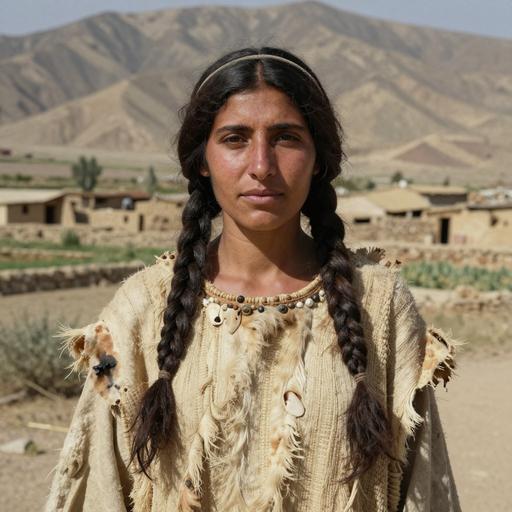
The Pre-Pottery Neolithic B (PPNB) period, which typically ranges from around 8,800 to 6,500 BCE in the Near East, represents a transformation in the early agricultural communities. While this specific period mainly pertains to the Levant and parts of the Near East, adapting it to a hypothetical PPNB-like culture in Baja California with an \Early Agricultural" phase requires some imaginative reconstruction based on regional environmental and cultural characteristics.
Hypothetical Description of Pre-Pottery Neolithic B of Baja - Early Agricultural Phase
Environmental Context:
Baja California, with its unique desert and coastal ecosystems, would furnish an interesting backdrop for early agricultural development. The region, characterized by arid landscapes, seasonal rivers, and a lengthy coastline, would exert a significant influence on the subsistence strategies of its inhabitants.
Agricultural Practices:
In this hypothetical scenario, the Pre-Pottery Neolithic B culture in Baja would engage in early forms of agriculture tailored to its arid conditions. This might involve:
- Crop Cultivation: Introduction of drought-resistant crops such as agave, squash, maize adapted to the arid conditions, and native plants possibly domesticated for their hardiness.
- Irrigation Techniques: Development of basic irrigation methods to conserve water, essential given the scarcity of consistent rainfall. This might include rudimentary damming and canal systems.
- Horticulture: Cultivating smaller garden plots near settlements for edible plants and herbs.
Social and Settlement Patterns:
Settlements would likely be situated near reliable water sources such as oases or seasonally-flowing streams. They might be semi-permanent, with the following characteristics:
- House Structures: Construction of dwellings using locally available materials such as adobe mud, stone, and wood from desert bushes.
- Community Organization: Small communal groups engaging in cooperative building and farming activities, possibly organized around extended family units.
Technology and Tools:
The technological artifacts of this culture would reflect the transition from hunter-gatherer to more sedentary agricultural life:
- Stone Tools: Continued use of flaked stone tools, but with increasing sophistication in design, including sickles and grinding stones for processing plant materials.
- Bone and Shell Implements: Use of animal bones and seashells for decorative and practical items such as needles, fishhooks, and ornaments.
Subsistence Strategies:
Aside from agriculture, the inhabitants would continue to rely on traditional hunting and gathering:
- Diet: A diet likely comprising cultivated crops supplemented with gathered plants, hunted game (such as rabbits, deer), and marine resources including fish and shellfish.
- Animal Domestication: Early domestication of animals like dogs for hunting and protective purposes, and possibly small livestock adapted to the arid climate.
Cultural and Spiritual Life:
The spiritual and cultural dimension of this hypothetical culture may reflect emerging complexities:
- Art and Symbols: Development of art forms and symbols possibly seen in petroglyphs or engravings indicative of their spiritual beliefs or social structures.
- Ritual Practices: Communal gatherings for rituals related to agricultural cycles, possibly marked by dance, music, and the use of sacred spaces within the settlement or the surrounding natural environment.
Challenges and Adaptations:
Faced with environmental challenges, this early agricultural society would be adapting to:
- Climate Variability: Strategies to cope with drought conditions and variability in climate, possibly influencing migration patterns or cultural adaptations.
- Resource Management: Developing a deeper model of resource management to sustain their settlements, including communal storage of surplus products and shared resource use.
This exercise requires speculation, as there is no direct evidence of a Pre-Pottery Neolithic B culture in Baja California specifically. However, by extrapolating characteristics from known PPNB cultures in the Near East and adapting them to the Baja California environment, we can create a plausible and engaging narrative about an early agricultural phase in this region."