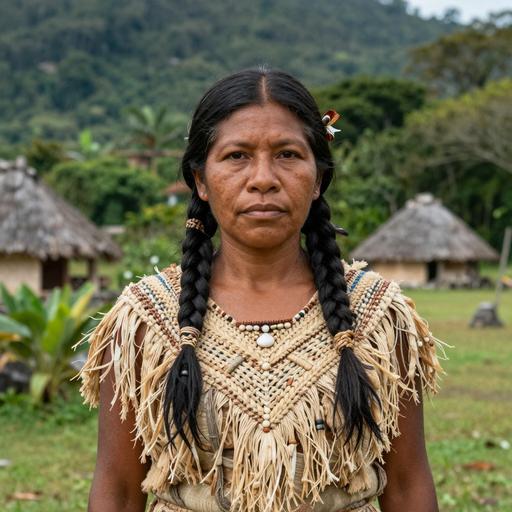
The Archaic Period of Belizean culture, predating the rise of the Maya civilization, spans approximately from 8000 BCE to 2000 BCE. This era is significant for laying the foundational aspects of society, technology, and agriculture which later influenced the development of the sophisticated Maya civilization in the region. During this period, the indigenous peoples of what is now Belize adapted to their environments and developed various cultural practices that reflect their interaction with geography, ecology, and neighboring cultures.
Environmental Context
The Archaic Period in Belize was characterized by a dynamic natural environment with a range of ecosystems, including coastal zones, tropical rainforests, and inland river valleys. This diversity allowed early inhabitants to exploit different resources, leading to varied subsistence strategies. Climate changes during this time also influenced human adaptation, such as retreating ice from the last Ice Age altering sea levels and consequently affecting habitats and available resources.
Subsistence and Economy
The people of the Archaic Period are primarily recognized as seminomadic hunter-gatherers who gradually introduced rudimentary agricultural practices. Initially, their diet relied heavily on the rich biodiversity offered by the region, including game animals, fish, shellfish, and a variety of plant species such as nuts, fruits, and tubers. As the period progressed, there was a gradual shift towards agriculture, with evidence suggesting the cultivation of plants like maize, squash, beans, and chili peppers. This progressive reliance on agriculture marks a pivotal point in human settlement patterns, leading to more permanent communities and eventually the demographic expansion of the region.
Technology and Tools
Technological developments during the Archaic Period included the crafting of stone tools, which were essential for hunting, gathering, and early agricultural practices. These tools reflect a broad spectrum of functions, from projectile points and blades to grinding stones for processing plant materials. The analysis of lithic artifacts indicates a deepening knowledge of material properties and an increasingly sophisticated approach to tool-making.
Social Structure and Settlement Patterns
The archeological record suggests that social structures during this time were relatively egalitarian, with decisions likely made by consensus among adult members of bands or small tribes. Settlements were small and dispersed, often located near water sources, and were likely seasonal in nature, as groups followed the availability of resources. Over time, as agriculture took root, these groups began to settle more permanently, setting the stage for growth in population density and social complexity.
Cultural and Artistic Expressions
Although limited in comparison to later Mayan artistic achievements, the Archaic Period saw the emergence of cultural expressions that offer insight into the beliefs and values of these early peoples. This is evidenced by artifacts such as decorated pottery and early ritualistic sites that suggest a nascent form of spiritual or religious life. Petroglyphs and early forms of sculpted art also appear towards the end of the Archaic Period, indicating an evolving cultural sophistication.
Interaction and Trade
The Archaic inhabitants of Belize were not isolated; rather, they engaged in long-distance interactions as evidenced by the exchange of goods such as obsidian, marine shells, and other exotic materials not local to specific sites. These trade networks facilitated the exchange of not only goods but also ideas and cultural practices, contributing to the gradual cultural homogenization observed in the region as the era progressed towards the emergence of the Preclassic Maya.
Legacy
The Archaic Period in Belize is crucial for understanding the development of later complex societies in the region. The adaptive strategies, agricultural practices, and social organization models that emerged during this time set the stage for more complex developments. By the time of the transition into the Preclassic Maya period, the cultural and technological groundwork laid by Archaic societies had created a stable foundation that would support one of the most famous and influential civilizations of the ancient Americas—the Maya.
In conclusion, Archaic Period Belizean culture encapsulates a fascinating chapter in the prehistory of Central America. It highlights the resilience and ingenuity of human communities as they navigated and transformed their landscapes, setting the stage for the rich tapestry of cultural evolution that followed in the centuries leading up to the classical achievements of the Maya civilization.