Menu
Currency
Main
Store
Blog

Loading Report

Preparing your ancestry journey

Connecting to ancient matches...

Preparing your report

Skip to main content
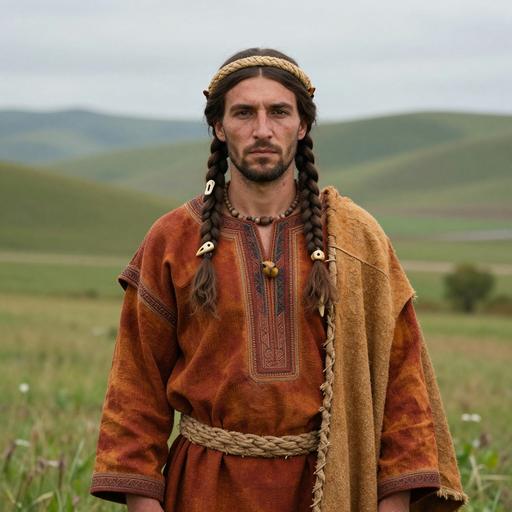
Portrait reconstruction of A man buried in Russia in the Bronze Age era
Ancient Individual

A man buried in Russia in the Bronze Age era

A man buried in Russia during the North Caucasus Culture, Russia

A fragment of the ancient world, preserved across millennia in strands of DNA.

MK5009
2879 BCE - 2631 BCE
Male
Russia
Scroll to begin
Chapter I

Identity

The biological and cultural markers that define this ancient individual

Sample ID

MK5009

Date Range

2879 BCE - 2631 BCE

Cultural Period

North Caucasus Culture, Russia

Biological Sex

Male

mtDNA Haplogroup

R1a1a

Y-DNA Haplogroup

R-KMS75

Chapter II

Place

Where this individual was discovered

Country Russia
Locality Piedmont. Mar'inskaja 5
Coordinates 43.9054, 43.5219
Chapter III

Time

When this individual lived in the broader context of human history

MK5009 2879 BCE - 2631 BCE
Chapter IV

Story

The narrative of this ancient life

The North Caucasus region is a diverse and culturally rich area located in the southwestern part of Russia, between the Black Sea and the Caspian Sea. It is home to a multitude of ethnic groups and has a complex history influenced by various empires and cultures over the centuries. The region is part of the larger Caucasus area, which is known for its mountainous terrain and strategic location as a crossroads between Europe and Asia.

Historical Context

Historically, the North Caucasus has been a melting pot of different cultures, each contributing to the region's unique identity. Throughout the centuries, the area has been influenced by Persian, Mongol, Ottoman, and Russian empires. One of the notable aspects of the North Caucasus is its connection to the Steppe cultures, which include a range of nomadic groups that historically roamed the vast grasslands of Eurasia.

Pre-Russian Influence

Before the Russian empire extended its influence into the North Caucasus, the region was dominated by various local tribes and kingdoms. These included the Alans, Nakh peoples (including Chechens and Ingush), and Circassians, among others. Many of these groups were influenced by Persian culture and later Islamic traditions, particularly after the Arab conquests in the 7th and 8th centuries.

Russian Influence and the Caucasian Wars

The Russian Empire began its expansion into the North Caucasus in the 18th century, leading to a prolonged period of conflict known as the Caucasian Wars (1817-1864). This era was marked by resistance from local groups, most notably Imam Shamil and the Avar people, against Russian encroachment. The wars eventually resulted in the incorporation of the North Caucasus into the Russian Empire, bringing significant cultural and administrative changes to the region.

Cultural Characteristics

The North Caucasus is renowned for its diversity in languages, religions, and traditions. Many of the ethnic groups in the region have their own languages, with some belonging to the Northeast Caucasian language family, such as Chechen and Avar, while others speak Turkic languages like Kumyk.

Religion

Islam is the predominant religion in the North Caucasus, having been introduced during the early medieval period. Sufi Islam, in particular, has a strong presence, with various Sufi brotherhoods playing significant roles in the cultural and social life of the region. However, there are also Christian communities, particularly among the Ossetians, who are primarily Eastern Orthodox.

Traditions and Customs

The people of the North Caucasus are known for their strong adherence to traditional customs and social structures. These include clan and family ties, which play a crucial role in social organization and conflict resolution. Hospitality is a highly valued cultural trait, and traditional ceremonies and festivals remain important aspects of life in the region.

Arts and Crafts

The region boasts a rich tradition of arts and crafts, including intricate woodwork, metalwork, and textile production. Traditional music and dance are also integral to the local culture, often featuring unique instruments and rhythms that reflect the region's diverse heritage.

Modern Era and Challenges

In the modern era, the North Caucasus remains a region of strategic importance and cultural complexity. It has faced challenges such as political instability, ethnic tensions, and economic difficulties. The fall of the Soviet Union in 1991 led to a resurgence of ethnic and nationalist movements, resulting in conflicts like the Chechen Wars of the 1990s and early 2000s.

Efforts are ongoing to address these issues and promote stability and development in the region. Nonetheless, the North Caucasus continues to be an area where ancient traditions and modern influences intersect, creating a unique cultural landscape that is continually evolving.

Context

Related Samples

This individual exists within a broader network of ancient samples. No ancient genome stands alone.

Sample ID Culture/Period Date Location Action
ARM001 Early Bronze Age Armenia 3625 BCE South Caucasus mountains. Kaps, Armenia View
ARM002 Early Bronze Age Armenia 3356 BCE South Caucasus mountains. Kaps, Armenia View
AY2001 The Maikop Culture 3514 BCE Kaspi steppe. Aygurskij 2, Russia View
AY2003 The Maikop Culture 3630 BCE Kaspi steppe. Aygurskij 2, Russia View
BU2001 North Caucasus Culture, Russia 2866 BCE Piedmont. Belij Ugol 2, Russia View
GW1001 North Caucasus Culture, Russia 2883 BCE Piedmont. Gorjačevodskij 1, Russia View
I1722 Eneolithic Caucasus, Russia 4539 BCE Unakozovskaya, Russia View
I2051 Late Bronze Age Dolmen Culture, Caucasus, Russia 1450 BCE North Caucasus. Marchenkova Gora, Russia View
I2055 Eneolithic Caucasus, Russia 4676 BCE Unakozovskaya, Russia View
I2056 Eneolithic Caucasus, Russia 4607 BCE Unakozovskaya, Russia View
I6266 Maikop-Novosvobodnaya Culture, Caucasus, Russia 3504 BCE Klady. Dlinnaya Polyana, Russia View
I6267 Maikop-Novosvobodnaya Culture, Caucasus, Russia 3625 BCE Klady. Dlinnaya Polyana, Russia View
I6268 Maikop-Novosvobodnaya Culture, Caucasus, Russia 3516 BCE Klady. Dlinnaya Polyana, Russia View
I6272 Maikop-Novosvobodnaya Culture, Caucasus, Russia 3318 BCE Klady. Dlinnaya Polyana, Russia View
IV3002 The Maikop Culture 3617 BCE North Caucasus steppe. Ipatovo 3, Russia View
KBD001 Middle Bronze Age North Caucasus, Russia 2197 BCE North Caucasus mountains. Kabardinka, Russia View
KBD002 Middle Bronze Age North Caucasus, Russia 2192 BCE North Caucasus mountains. Kabardinka, Russia View
KDC001 Middle Bronze Age North Caucasus, Russia 1950 BCE Piedmont/mountains. Kudachurt, Russia View
KDC002 Middle Bronze Age North Caucasus, Russia 1900 BCE Piedmont/mountains. Kudachurt, Russia View
LYG001 North Caucasus Culture, Russia 2866 BCE Piedmont. Lysogarskaya, Russia View
MK3003 Catacomb Culture, Russian Steppe 2580 BCE Piedmont. Mar'inskaja 3, Russia View
MK5001 Late Maikop Culture, Caucasus, Russia 3400 BCE Piedmont. Mar'inskaja 5, Russia View
MK5004 Late Maikop Culture, Caucasus, Russia 3400 BCE Piedmont. Mar'inskaja 5, Russia View
MK5008 Late Maikop Culture, Caucasus, Russia 3369 BCE Piedmont. Mar'inskaja 5, Russia View
MK5009 North Caucasus Culture, Russia 2879 BCE Piedmont. Mar'inskaja 5, Russia View
NV3001 Lola Culture, Russian Steppe 2127 BCE North Caucasus steppe. Nevinnommiskij 3, Russia View
OSS001 Maikop Culture, Caucasus, Russia 3704 BCE Piedmont. Ossetia, Russia View
PG2001 Eneolithic Russian Steppe 4994 BCE Piedmont. Progress 2, Russia View
PG2002 North Caucasus Culture, Russia 2476 BCE Piedmont. Progress 2, Russia View
PG2004 Eneolithic Russian Steppe 4240 BCE Piedmont. Progress 2, Russia View
RK1001 Early Bronze Age Yamnaya Culture, Caucasus, Russia 2881 BCE Kuban steppe. Rasshevatskij 1, Russia View
RK1003 North Caucasus Culture, Russia 2899 BCE Kuban steppe. Rasshevatskij 1, Russia View
RK1007 Early Bronze Age Yamnaya Culture, Caucasus, Russia 3331 BCE Kuban steppe. Rasshevatskij 1, Russia View
RK4001 Catacomb Culture, Russian Steppe 2451 BCE Kuban steppe. Rasshevatskij 4, Russia View
RK4002 Catacomb Culture, Russian Steppe 2662 BCE Kuban steppe. Rasshevatskij 4, Russia View
SA6001 The Maikop Culture 3520 BCE Kaspi steppe. Šarachalsun 6, Russia View
I11133 Late Maikop Culture, Russia 3332 BCE Sinjucha. Kuban steppe, Russia View
SA6003 Catacomb Culture, Russian Steppe 2470 BCE Kaspi steppe. Šarachalsun 6, Russia View
SA6004 The Maikop Culture 3359 BCE Kaspi steppe. Šarachalsun 6, Russia View
SA6010 Russian Yamnaya 2886 BCE Kaspi steppe. Šarachalsun 6, Russia View
SA6013 The Maikop Culture 3360 BCE Kaspi steppe. Šarachalsun 6, Russia View
I11131 Late Maikop Culture, Russia 3349 BCE Sinjucha. Kuban steppe, Russia View
I11132 Late Maikop Culture, Russia 3350 BCE Sinjucha. Kuban steppe, Russia View
VEK006 Kura-Araxes Culture, Caucasus, Russia 3000 BCE Caspian sea shore. Velikent, Russia View
VEK007 Kura-Araxes Culture, Caucasus, Russia 3000 BCE Caspian sea shore. Velikent, Russia View
VJ1001 Eneolithic Russian Steppe 4337 BCE Piedmont. Vonjucka 1, Russia View
ZO2002 Early Bronze Age Yamnaya Culture, Caucasus, Russia 3300 BCE North Caucasus steppe. Zolotarjëvka 2, Russia View
OSS002 The Maikop Culture 3932 BCE Ossetia'. Piedmont, Russia View
MK5005 The Maikop Culture 3650 BCE Mar'inskaja 5. Piedmont, Russia View
I1723 North Caucasus Culture, Russia 2877 BCE Goryachevadskiy, Russia View
I1720 Maikop Culture, Caucasus, Russia 3700 BCE Baksanyonok, Russia View
SA6002 Late Maikop Culture, Russia 3332 BCE Sinyukha (Republic of Adygea, Krasnogvardeysky District), Russia View
SIJ002 Late Maikop Culture, Russia 3349 BCE Sinyukha (Republic of Adygea, Krasnogvardeysky District), Russia View
SIJ003 Late Maikop Culture, Russia 3350 BCE Sinyukha (Republic of Adygea, Krasnogvardeysky District), Russia View
ARM002 3356 BCE South Caucasus mountains. Kaps, Armenia View
VEK007 3000 BCE Caspian sea shore. Velikent, Russia View
I1720 3700 BCE Baksanyonok, Russia View
I1723 2877 BCE Goryachevadskiy, Russia View
Sample ID Culture/Period Date Location Action
BU2001 North Caucasus Culture, Russia 2866 BCE Piedmont. Belij Ugol 2, Russia View
GW1001 North Caucasus Culture, Russia 2883 BCE Piedmont. Gorjačevodskij 1, Russia View
LYG001 North Caucasus Culture, Russia 2866 BCE Piedmont. Lysogarskaya, Russia View
MK5009 North Caucasus Culture, Russia 2879 BCE Piedmont. Mar'inskaja 5, Russia View
PG2002 North Caucasus Culture, Russia 2476 BCE Piedmont. Progress 2, Russia View
RK1003 North Caucasus Culture, Russia 2899 BCE Kuban steppe. Rasshevatskij 1, Russia View
I1723 North Caucasus Culture, Russia 2877 BCE Goryachevadskiy, Russia View
Sources

References

Scientific publications and genetic data that inform this profile.

Scientific Publication

Ancient human genome-wide data from a 3000-year interval in the Caucasus corresponds with eco-geographic regions

Authors Wang CC, Reinhold S, Kalmykov A, Wissgott A, Brandt G et al.
Abstract

Archaeogenetic studies have described the formation of Eurasian 'steppe ancestry' as a mixture of Eastern and Caucasus hunter-gatherers. However, it remains unclear when and where this ancestry arose and whether it was related to a horizon of cultural innovations in the 4th millennium BCE that subsequently facilitated the advance of pastoral societies in Eurasia. Here we generated genome-wide SNP data from 45 prehistoric individuals along a 3000-year temporal transect in the North Caucasus. We observe a genetic separation between the groups of the Caucasus and those of the adjacent steppe. The northern Caucasus groups are genetically similar to contemporaneous populations south of it, suggesting human movement across the mountain range during the Bronze Age. The steppe groups from Yamnaya and subsequent pastoralist cultures show evidence for previously undetected farmer-related ancestry from different contact zones, while Steppe Maykop individuals harbour additional Upper Palaeolithic Siberian and Native American related ancestry.

Use code for 25% off Expires Jul 12