Menu
Currency
Main
Store
Blog

Loading Report

Preparing your ancestry journey

Connecting to ancient matches...

Preparing your report

Skip to main content
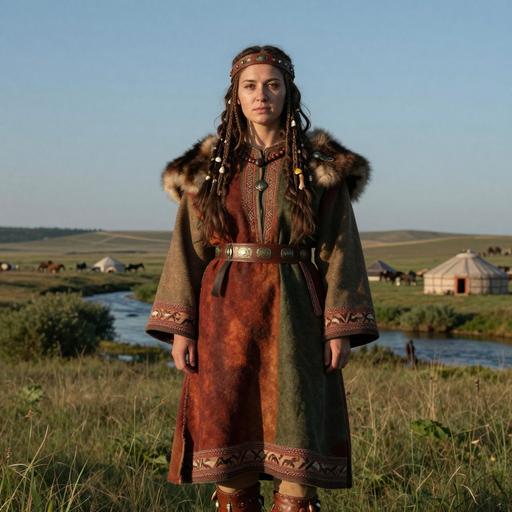
Portrait reconstruction of A woman buried in Ukraine in the Iron Age era
Ancient Individual

A woman buried in Ukraine in the Iron Age era

A woman buried in Ukraine during the Scythian Culture, Ukraine

A fragment of the ancient world, preserved across millennia in strands of DNA.

scy006
800 BCE - 400 BCE
Female
Ukraine
Scroll to begin
Chapter I

Identity

The biological and cultural markers that define this ancient individual

Sample ID

scy006

Date Range

800 BCE - 400 BCE

Cultural Period

Scythian Culture, Ukraine

Biological Sex

Female

mtDNA Haplogroup

D4j2*

Y-DNA Haplogroup

N/A (Female)

Chapter II

Place

Where this individual was discovered

Country Ukraine
Locality Cherkasy Region. Gorodische District. Starosillya
Coordinates 46.3230, 29.4702
Chapter III

Time

When this individual lived in the broader context of human history

scy006 800 BCE - 400 BCE
Chapter IV

Story

The narrative of this ancient life

The Scythian culture, particularly in the context of what is now Ukraine, represents a fascinating and complex period in ancient history, characterized by its unique societal structures, intricate art, and dynamic interactions with neighboring cultures. The Scythians were a group of nomadic tribes of Iranian origin, who inhabited the vast steppes of Eurasia from around the 9th century BCE to the 3rd century BCE. Their influence stretched across what are today Ukraine, southern Russia, and even parts of Central Asia, creating a rich tapestry of history and cultural development.

Geographic and Historical Context

The Scythians established their dominance in the Pontic Steppe, a region stretching from the northwest of the Black Sea eastward into parts of Kazakhstan. This area, characterized by its expansive grasslands, was ideal for the Scythians' nomadic lifestyle, which was heavily reliant on horse breeding and mobility. By the 7th century BCE, the Scythians had become the dominant power in the region, often engaging in both conflict and trade with neighboring civilizations, such as the Greeks, Persians, and Thracians.

Social Structure

Scythian society was hierarchical, composed of several tribes each led by a king or chieftain. The social structure was marked by a clear division between the nobility, warriors, and common people. The nobility often showcased their wealth and power through elaborate burial mounds known as kurgans, which contained a variety of grave goods including weapons, gold jewelry, and intricate artworks.

Warrior culture was central to Scythian society. The Scythians were feared warriors, renowned for their skills on horseback and their use of the composite bow, which gave them a distinct advantage in warfare due to its range and power. Their reputation as fierce warriors is well documented by ancient historians like Herodotus, who described their tactics and martial skills in detail.

Art and Craftsmanship

Scythian art is distinguished by its unique style, known as the \Animal Style," which features dynamic representations of animals and mythical creatures. This art form is evident in their jewelry, weaponry, and everyday objects, reflecting both their own beliefs and influences from interactions with other cultures. Gold was a particularly favored material, often used in crafting intricate jewelry and decorative pieces, found abundantly in archaeological sites like the famous kurgans of Solokha, Tolstaya Mogila, and others in modern-day Ukraine.

The gold artifacts frequently depict scenes of combat, human figures, and, prominently, a wide array of animals such as stags, eagles, and lions, often depicted in motion, symbolizing strength and vitality.

Religion and Beliefs

Scythian religious practices are believed to have centered around a pantheon of deities similar to those of other Indo-Iranian peoples. Rituals were likely conducted by priesthoods and involved offerings, possibly including human and animal sacrifices. Their burial customs, as exemplified by the richly adorned kurgans, suggest a belief in an afterlife where the dead continued to enjoy the status and wealth they possessed in life.

Interaction with Other Cultures

Interaction with other cultures played a significant role in the development of Scythian society. Their trade networks were extensive, bringing them into contact with Greek city-states, Persian empires, and other nomadic groups. The Scythians supplied the Greeks with grain and were themselves influenced by Greek art, as evidenced by the Hellenistic elements in Scythian artifacts.

The Scythians also played a significant role in the historical narratives of the ancient Near East, being mentioned in Assyrian, Hebrew, and Persian sources, often as mercenaries or participants in regional conflicts.

Decline and Legacy

By the 3rd century BCE, Scythian dominance in the region began to wane due to pressure from other nomadic groups such as the Sarmatians. However, their cultural legacy continued to influence subsequent societies in the region. The Scythians are credited with laying the groundwork for future nomadic cultures in Eurasia, including the Huns and Mongols, through their innovations in warfare and horse culture.

In modern Ukraine, the Scythian legacy is an integral part of the national historical narrative, symbolizing both a connection to a deep and distant past and the diverse cultural influences that have shaped the region. Numerous Scythian artifacts are displayed in Ukrainian museums, serving as a testament to their rich cultural heritage and enduring influence.

In sum, Scythian culture in Ukraine is marked by its vibrant nomadic lifestyle, sophisticated artistry, and complex interactions with both neighboring and distant civilizations, leaving an indelible mark on the cultural and historical landscape of Eurasia."

Context

Related Samples

This individual exists within a broader network of ancient samples. No ancient genome stands alone.

Sample ID Culture/Period Date Location Action
kzb002 Srubnaya-Alakul Culture, Russia 1879 BCE Republic of Bashkorstan. Near Usmanovo village. Kazburun 1, Russia View
scy006 Scythian Culture, Ukraine 800 BCE Cherkasy Region. Gorodische District. Starosillya, Ukraine View
scy009 Scythian Culture, Ukraine 766 BCE Cherkasy Region. Gorodische District. Starosillya, Ukraine View
scy010 Scythian Culture, Ukraine 789 BCE Cherkasy Region. Gorodische District. Starosillya, Ukraine View
scy011 Scythian Culture, Ukraine 356 BCE Cherkasy Region. Mankivsky District. Nesterivka, Ukraine View
mur003 Srubnaya-Alakul Culture, Russia 1881 BCE Republic of Bashkorstan. Near Usmanovo Village. Muradym 8, Russia View
kzb007 Srubnaya-Alakul Culture, Russia 1873 BCE Republic of Bashkorstan. Near Usmanovo village. Kazburun 1, Russia View
mur004 Srubnaya-Alakul Culture, Russia 1888 BCE Republic of Bashkorstan. Near Usmanovo Village. Muradym 8, Russia View
kzb008 Srubnaya-Alakul Culture, Russia 1887 BCE Republic of Bashkorstan. Near Usmanovo village. Kazburun 1, Russia View
tem003 Late Sarmatian Culture, Russia 131 CE Republic of Bashkortostan. Baymak Distict. Temyaysovo-1 burial ground, Russia View
kzb006 Srubnaya-Alakul Culture, Russia 1868 BCE Republic of Bashkorstan. Near Usmanovo village. Kazburun 1, Russia View
chy002 Late Sarmatian Culture, Russia 81 CE Orenburg Regio. Southern Urals. Cherniy Yar, Russia View
kzb005 Srubnaya-Alakul Culture, Russia 1882 BCE Republic of Bashkorstan. Near Usmanovo village. Kazburun 1, Russia View
kzb009 Srubnaya-Alakul Culture, Russia 1866 BCE Republic of Bashkorstan. Near Usmanovo village. Kazburun 1, Russia View
tem002 Late Sarmatian Culture, Russia 121 CE Republic of Bashkortostan. Baymak Distict. Temyaysovo-1 burial ground, Russia View
chy001 Late Sarmatian Culture, Russia 27 CE Orenburg Regio. Southern Urals. Cherniy Yar, Russia View
kzb001 Srubnaya-Alakul Culture, Russia 1740 BCE Republic of Bashkorstan. Near Usmanovo village. Kazburun 1, Russia View
tem001 Late Sarmatian Culture, Russia 129 CE Republic of Bashkortostan. Baymak Distict. Temyaysovo-1 burial ground, Russia View
kzb003 Srubnaya-Alakul Culture, Russia 1870 BCE Republic of Bashkorstan. Near Usmanovo village. Kazburun 1, Russia View
mur001 Srubnaya-Alakul Culture, Russia 1740 BCE Republic of Bashkorstan. Near Usmanovo Village. Muradym 8, Russia View
mur002 Srubnaya-Alakul Culture, Russia 1680 BCE Republic of Bashkorstan. Near Usmanovo Village. Muradym 8, Russia View
kzb004 Srubnaya-Alakul Culture, Russia 1872 BCE Republic of Bashkorstan. Near Usmanovo village. Kazburun 1, Russia View
scy303 Scythian Period Glinoe, Moldova 386 BCE Slobodzeya District. Glinoe, Moldova View
scy301 Scythian Period Glinoe, Moldova 390 BCE Slobodzeya District. Glinoe, Moldova View
scy192 Scythian Period Glinoe, Moldova 400 BCE Slobodzeya District. Glinoe, Moldova View
cim359 Cimmerian Period Moldova 1011 BCE Rybnitsa District. Mokra, Moldova View
scy300 Scythian Period Glinoe, Moldova 395 BCE Slobodzeya District. Glinoe, Moldova View
scy311 Scythian Period Glinoe, Moldova 391 BCE Slobodzeya District. Glinoe, Moldova View
scy197 Scythian Period Glinoe, Moldova 400 BCE Slobodzeya District. Glinoe, Moldova View
cim357 Cimmerian Period Moldova 916 BCE Slobodzeya District. Glinoe Sad, Moldova View
scy305 Scythian Period Glinoe, Moldova 396 BCE Slobodzeya District. Glinoe, Moldova View
cim358 Cimmerian Period Moldova 971 BCE Slobodzeya District. Glinoe Sad, Moldova View
scy304 Scythian Period Glinoe, Moldova 367 BCE Slobodzeya District. Glinoe, Moldova View
scy193 Scythian Period Glinoe, Moldova 400 BCE Slobodzeya District. Glinoe, Moldova View
scy332 Scythian Period Glinoe, Moldova 250 CE Slobodzeya District. Glinoe, Moldova View
chy001 27 CE Orenburg Regio. Southern Urals. Cherniy Yar, Russia View
chy002 81 CE Orenburg Regio. Southern Urals. Cherniy Yar, Russia View
cim357 916 BCE Slobodzeya District. Glinoe Sad, Moldova View
cim358 971 BCE Slobodzeya District. Glinoe Sad, Moldova View
cim359 1011 BCE Rybnitsa District. Mokra, Moldova View
kzb001 1740 BCE Republic of Bashkorstan. Near Usmanovo village. Kazburun 1, Russia View
kzb003 1870 BCE Republic of Bashkorstan. Near Usmanovo village. Kazburun 1, Russia View
kzb004 1872 BCE Republic of Bashkorstan. Near Usmanovo village. Kazburun 1, Russia View
kzb005 1882 BCE Republic of Bashkorstan. Near Usmanovo village. Kazburun 1, Russia View
kzb006 1868 BCE Republic of Bashkorstan. Near Usmanovo village. Kazburun 1, Russia View
kzb007 1873 BCE Republic of Bashkorstan. Near Usmanovo village. Kazburun 1, Russia View
kzb008 1887 BCE Republic of Bashkorstan. Near Usmanovo village. Kazburun 1, Russia View
kzb009 1866 BCE Republic of Bashkorstan. Near Usmanovo village. Kazburun 1, Russia View
mur001 1740 BCE Republic of Bashkorstan. Near Usmanovo Village. Muradym 8, Russia View
mur002 1680 BCE Republic of Bashkorstan. Near Usmanovo Village. Muradym 8, Russia View
mur003 1881 BCE Republic of Bashkorstan. Near Usmanovo Village. Muradym 8, Russia View
mur004 1888 BCE Republic of Bashkorstan. Near Usmanovo Village. Muradym 8, Russia View
scy009 766 BCE Cherkasy Region. Gorodische District. Starosillya, Ukraine View
scy010 789 BCE Cherkasy Region. Gorodische District. Starosillya, Ukraine View
scy011 356 BCE Cherkasy Region. Mankivsky District. Nesterivka, Ukraine View
scy192 400 BCE Slobodzeya District. Glinoe, Moldova View
scy193 400 BCE Slobodzeya District. Glinoe, Moldova View
scy197 400 BCE Slobodzeya District. Glinoe, Moldova View
scy300 395 BCE Slobodzeya District. Glinoe, Moldova View
scy301 390 BCE Slobodzeya District. Glinoe, Moldova View
scy303 386 BCE Slobodzeya District. Glinoe, Moldova View
scy304 367 BCE Slobodzeya District. Glinoe, Moldova View
scy305 396 BCE Slobodzeya District. Glinoe, Moldova View
scy311 391 BCE Slobodzeya District. Glinoe, Moldova View
scy332 250 CE Slobodzeya District. Glinoe, Moldova View
tem001 129 CE Republic of Bashkortostan. Baymak Distict. Temyaysovo-1 burial ground, Russia View
tem002 121 CE Republic of Bashkortostan. Baymak Distict. Temyaysovo-1 burial ground, Russia View
tem003 131 CE Republic of Bashkortostan. Baymak Distict. Temyaysovo-1 burial ground, Russia View
Sample ID Culture/Period Date Location Action
scy006 Scythian Culture, Ukraine 800 BCE Cherkasy Region. Gorodische District. Starosillya, Ukraine View
scy009 Scythian Culture, Ukraine 766 BCE Cherkasy Region. Gorodische District. Starosillya, Ukraine View
scy010 Scythian Culture, Ukraine 789 BCE Cherkasy Region. Gorodische District. Starosillya, Ukraine View
scy011 Scythian Culture, Ukraine 356 BCE Cherkasy Region. Mankivsky District. Nesterivka, Ukraine View
Sources

References

Scientific publications and genetic data that inform this profile.

Scientific Publication

Ancient genomes suggest the eastern Pontic-Caspian steppe as the source of western Iron Age nomads

Authors Krzewińska M, Kılınç GM, Juras A, Koptekin D, Chyleński M et al.
Abstract

For millennia, the Pontic-Caspian steppe was a connector between the Eurasian steppe and Europe. In this scene, multidirectional and sequential movements of different populations may have occurred, including those of the Eurasian steppe nomads. We sequenced 35 genomes (low to medium coverage) of Bronze Age individuals (Srubnaya-Alakulskaya) and Iron Age nomads (Cimmerians, Scythians, and Sarmatians) that represent four distinct cultural entities corresponding to the chronological sequence of cultural complexes in the region. Our results suggest that, despite genetic links among these peoples, no group can be considered a direct ancestor of the subsequent group. The nomadic populations were heterogeneous and carried genetic affinities with populations from several other regions including the Far East and the southern Urals. We found evidence of a stable shared genetic signature, making the eastern Pontic-Caspian steppe a likely source of western nomadic groups.

Use code for 25% off Expires Jul 12