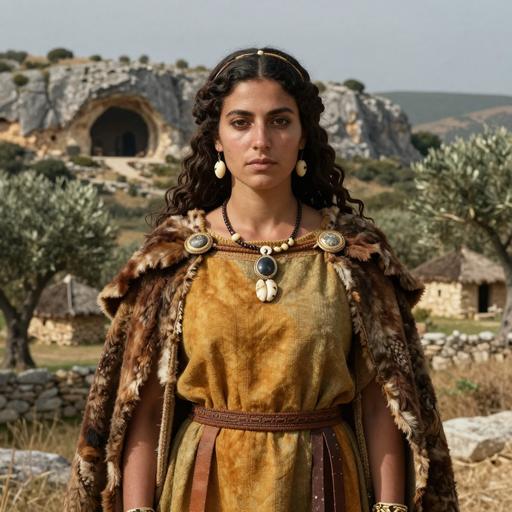
The Veraza Culture, spanning the transition from the Late Neolithic to the Early Bronze Age, represents a fascinating period in the prehistory of the La Clape region in France. This era, typically dated from approximately 3000 to 2000 BCE, is characterized by significant sociocultural developments, technological innovations, and environmental adaptations that reflect broader trends across Western Europe during this transformative epoch.
Geographic and Environmental Context
La Clape is located in the Languedoc-Roussillon region of southern France, characterized by its Mediterranean climate, diverse landscapes, and proximity to the coast. The region's rich natural resources, including fertile plains, access to the sea, and a variety of terrestrial biomes, provided a conducive environment for human settlement and development during the Late Neolithic to Early Bronze Age.
Subsistence and Economy
People of the Veraza Culture practiced a mixed agricultural and pastoral economy. Archaeobotanical evidence suggests the cultivation of cereal crops such as wheat and barley, supplemented by legumes and various fruits and nuts. Livestock, including sheep, goats, cattle, and pigs, played a crucial role in their subsistence strategy, providing meat, milk, and wool.
Material Culture and Technology
The Veraza Culture is distinguished by its advancements in tool-making and pottery. Lithic technology continued to evolve, with stone tools becoming more specialized and efficiently crafted. Flint axes, arrowheads, and sickle blades represent some of the typical implements. The introduction of metallurgy during this period marked a significant technological leap, with the use of copper and early bronze tools indicating heightened technical proficiency and trade connections.
Pottery from this era exhibits increased complexity and refinement. The Veraza people created a variety of ceramic forms, including beakers and storage vessels, often decorated with intricate geometric patterns and impressions. These artifacts suggest both utilitarian and ceremonial uses, reflecting the cultural nuances of the period.
Social Organization and Settlement Patterns
Archaeological evidence indicates a shift towards more permanent and complex settlement structures during this time. Settlements in the La Clape region were typically composed of clustered dwellings, suggesting a move towards more stable, agrarian-based communities. The development of communal structures, such as large circular enclosures and ceremonial spaces, indicates the emergence of a more stratified social organization.
The burial practices observed in the Veraza Culture reveal insights into their social stratification and spiritual beliefs. Megalithic tombs and cairns, often containing grave goods such as pottery, tools, and ornaments, illustrate a complex belief system centered around ancestor worship and an afterlife. The presence of elite burials suggests a growing hierarchy and the existence of social differentiation within communities.
Trade and Exchange Networks
The Late Neolithic to Early Bronze Age Veraza Culture was part of a broader network of trade and cultural exchange that spanned Western Europe. Archaeological finds, such as exotic materials like amber and maritime imports, indicate active trade routes and interactions with neighboring regions. This exchange facilitated the dissemination of ideas, technologies, and goods, contributing to the cultural dynamism of the Veraza people.
Conclusion
The Veraza Culture of La Clape during the Late Neolithic to Early Bronze Age represents a period of significant transformation, characterized by technological innovation, evolving social structures, and enhanced interaction with wider European cultures. These developments laid the foundation for subsequent cultural and historical trajectories in the region, reflecting broader patterns of change during this pivotal era in European prehistory.