Zum Hauptinhalt springen
mtDNA · Mütterliche Linie

R1B

mtDNA Haplogroup R1B

Ein Referenzprofil für einen Abstammungszweig. Gemeinsame Haplogruppen begründen weder eine familiäre Beziehung noch eine kulturelle Identität.

Referenzprofil

Hintergrund des Zweigs

Historischer Kontext für den mtDNA-Abstammungszweig R1B

Origins and Evolution

mtDNA haplogroup R1B is a downstream branch of mtDNA haplogroup R1, itself a descendant of macro-haplogroup R. Based on molecular-clock estimates for mtDNA and the phylogenetic position of R1 within R, R1B most likely arose in South Asia during the Late Pleistocene (on the order of ~20 kya, with uncertainty of several thousand years). Its emergence fits a pattern of regional diversification of R-derived lineages after the initial west-to-east and southward expansions of haplogroup R across Eurasia.

Coalescence dating of mtDNA lineages and geographic patterns of diversity indicate that R1 and its subclades experienced long-term persistence in South Asia, with R1B forming as a localized maternal lineage that continued to be carried by descendant populations through the Holocene.

Subclades

R1B itself comprises internal substructure defined by additional control-region and coding-region mutations; however, many subbranches remain sparsely sampled in modern and ancient datasets. Where present, subclades of R1B can show regional specificity within the subcontinent, with some lineages concentrated in particular linguistic or tribal groups and others more widely distributed across caste and non-caste populations.

Because sampling coverage in some parts of South Asia remains uneven and because phylogenetic resolution continues to improve with full mitogenome sequencing, the catalogue of named R1B subclades has grown incrementally. Ancient DNA hits (the user reports 17 ancient samples in the database) confirm that R1B has been present in archaeological contexts, supporting its antiquity in the region.

Geographical Distribution

Today, R1B is most frequent and diverse in South Asia, particularly on the Indian subcontinent (northern and southern India, Pakistan). At lower frequencies it is detected in parts of Central Asia and sporadically in Southeast and East Asia. The highest confidence for presence and diversity is in South Asian populations, consistent with a South Asian origin and long-term continuity.

Regional patterns suggest R1B persistence among local hunter-gatherer groups, early Holocene communities, and later farming populations; its spread beyond South Asia appears limited compared with some other R-derived lineages that moved widely across West Eurasia.

Historical and Cultural Significance

R1B's deep time depth in South Asia means it likely contributed maternally to a range of prehistoric and historic populations in the region. It would have been present among Late Pleistocene and Holocene forager groups and transmitted into Neolithic and Bronze Age communities. Associations with specific archaeological cultures are limited by the available ancient DNA record, but the presence of R1B in multiple ancient individuals indicates it was part of the maternal substrate underlying later cultural complexes such as the Indus Valley (Harappan) and regional Bronze Age groups, albeit often as one among many maternal lineages.

Because mtDNA reflects only the maternal line, R1B should be interpreted alongside genome-wide and paternal (Y-chromosome) data to reconstruct population movements, admixture events, and social processes such as sex-biased migration.

Conclusion
mtDNA haplogroup R1B is a South Asian-rooted maternal lineage with Late Pleistocene origins and a present-day distribution concentrated in the Indian subcontinent with lower-frequency occurrences in neighboring regions. It is valuable for reconstructing regional maternal phylogeography and for understanding the longevity of maternal lineages in South Asia, but continued mitogenome sequencing and broader ancient DNA sampling are needed to refine its internal branching, precise age estimates, and archaeological associations.

Wichtige Punkte

  • Origins and Evolution
  • Subclades
  • Geographical Distribution
  • Historical and Cultural Significance
  • Conclusion

Referenzprofil

Baum und Verwandtschaft

Phylogenetischer Kontext und Subkladen

Entwicklungsweg

Folgen Sie den erfassten übergeordneten Zweigen bis R1B. Die Daten sind Schätzungen und können sich ändern, wenn Referenzdaten überarbeitet werden.

Schritte Haplogruppe Altersschätzung Archäologische Epoche Vergangene Zeit Unmittelbare Nachkommen Getestete moderne Nachkommen Antike Verknüpfungen
1 R1B Aktuell ~20,000 years ago Mesolithic 20,000 Jahre 1 1 58
2 R1 ~40,000 years ago Paleolithic 40,000 Jahre 2 12 8
3 R ~55,000 years ago Paleolithic 55,000 Jahre 17 22,830 57
4 NA - - - 1 22,830 0
5 N ~60,000 years ago Paleolithic 60,000 Jahre 16 26,150 13
6 L3 ~70,000 years ago Paleolithic 70,000 Jahre 7 30,162 6
7 L3'4 - - - 2 30,212 0
8 L3'4'6 - - - 2 30,216 0
9 L2'3'4'6 - - - 2 31,333 0
10 L2'3'4'5'6'7 - - - 2 31,349 0
11 L1'2'3'4'5'6'7 - - - 2 31,852 0
12 L ~160,000 years ago Paleolithic 160,000 Jahre 2 32,236 5

Geschwisterzweige (1)

Weitere Zweige derselben übergeordneten Haplogruppe

Referenzprofil

Verbreitung weltweit

Geografische Verbreitung und moderne Präsenz

Erfasster Ursprung

South Asia

Moderne Verbreitung

The populations where MTDNA haplogroup R1B is found include:

  1. Various populations across India (including tribal and caste groups)
  2. Pakistani populations (e.g., Punjab, Sindh)
  3. Sri Lankan populations (at lower frequencies)
  4. Central Asian groups (sporadic occurrences)
  5. Southeast Asian populations (low frequencies; e.g., Myanmar, Thailand)
  6. East Asian populations (rare/low frequency detections)
Historischer Kontext

Ein Zweig durch die Zeit

Geschätzte Entstehung in einer breiten historischen Zeitleiste. Zeitmarken liefern Kontext und implizieren keine Verbindung zu bestimmten Kulturen.

  1. ~20k Jahre zurück

    Letztes glaziales Maximum

    Höhepunkt der letzten Eiszeit, isolierte Bevölkerungen

  2. ~20k Jahre zurück

    Haplogruppe R1B

    Geschätzte Entstehung dieses mtDNA-Zweigs; Daten und Orte sind Referenzschätzungen.

    Dieser Zweig
  3. ~10k Jahre zurück

    Neolithische Revolution
    Beginn der Landwirtschaft und feste Siedlungen

  4. ~5k Jahre zurück

    Bronzezeit

    Metallverarbeitung, Schrift und frühe Zivilisationen

  5. ~3k Jahre zurück

    Eisenzeit

    Eisenwerkzeuge und ausgedehnte Handelsnetze

  6. ~2.5k Jahre zurück

    Klassische Antike

    Blüte griechischer und römischer Kulturen

  7. Gegenwart

    Gegenwart

    Moderne Zeit

Referenzprofil

Archäologischer Kontext

Erfasste archäologische Zuordnungen für den mtDNA-Zweig R1B

Erfasste Zuordnungen

Diese Bezeichnungen beschreiben archäologische Kontexte erfasster Referenzproben mit Bezug zu R1B. Eine Zuordnung bedeutet nicht, dass alle Träger einer Kultur angehörten oder einer bestimmten Migrationsroute folgten.

Afontova Gora Alföld Linear Pottery Altai-Sayan Eastern Hunter-Gatherer Russia_AltaiKrai_Eneolithic Russia_Chelyabinsk_Eneolithic_Kulmetovskiy Russia_Samara_Eneolithic_Syezzheye Russia_Tatarstan_Eneolithic Yuzhny Oleny Ostrov
Kulturzuordnungen basieren auf dem archäologischen Kontext antiker DNA-Proben und können regionale Verknüpfungen in bestimmten Zeiträumen widerspiegeln.
Referenzprofil

Probencatalog

17 direkte Träger und 41 Subkladen-Träger der Haplogruppe R1B

10 angezeigt · 50 passende Proben

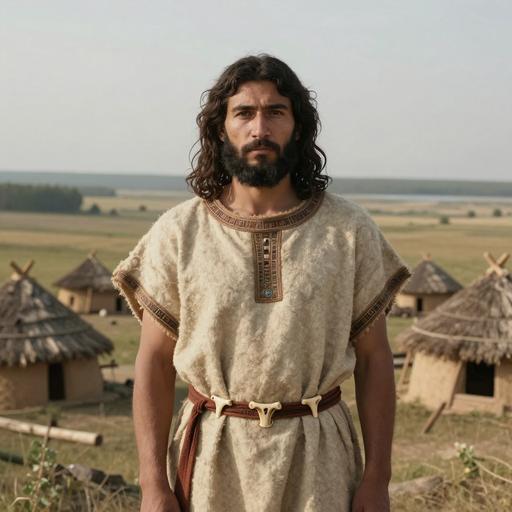
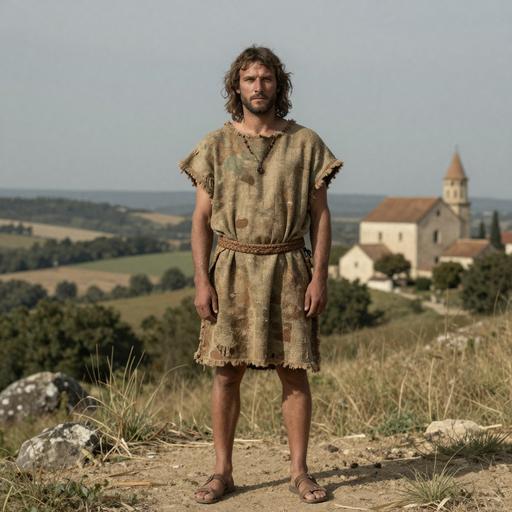
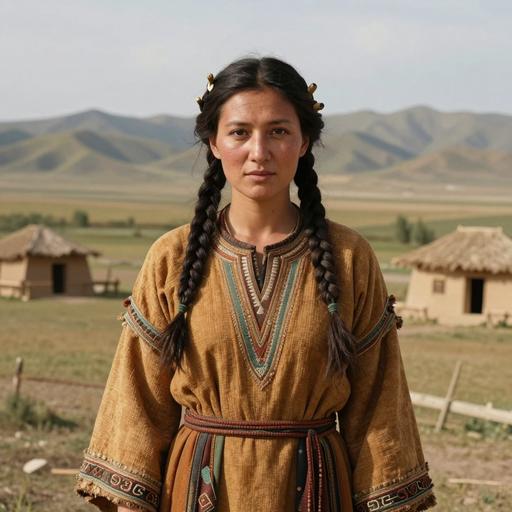
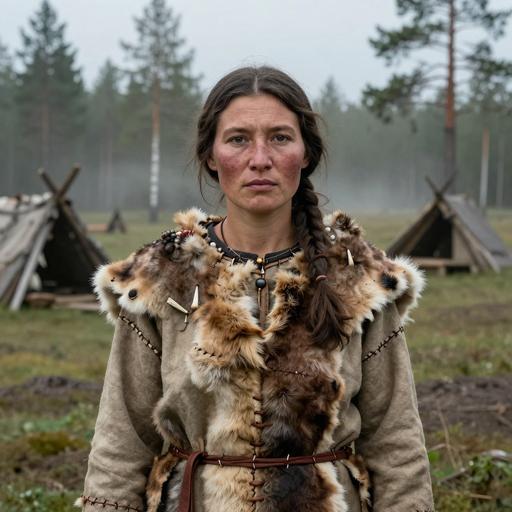
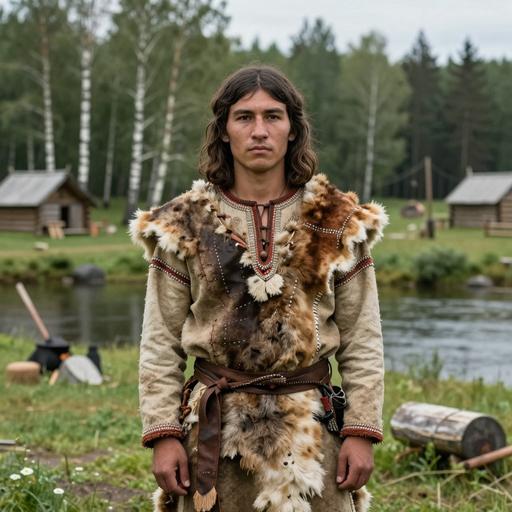
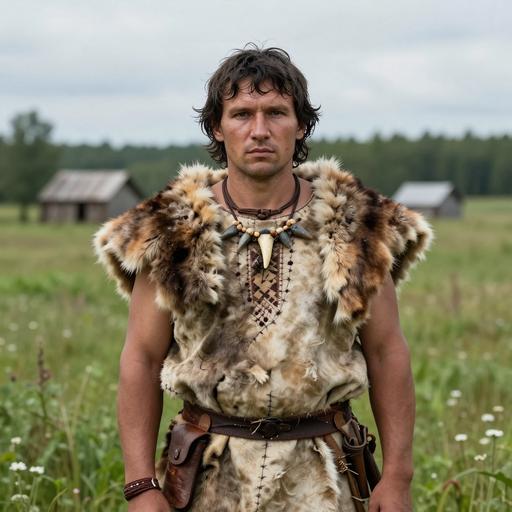
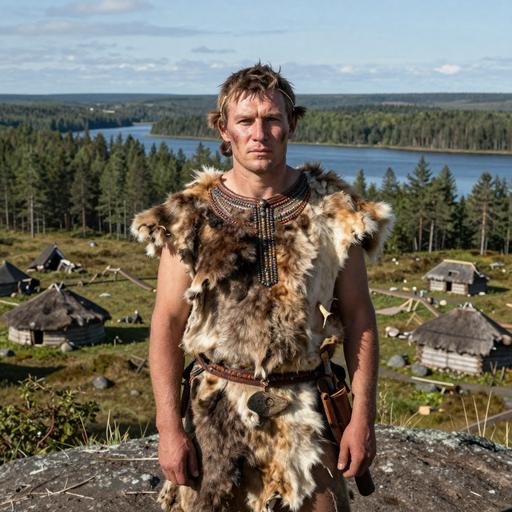
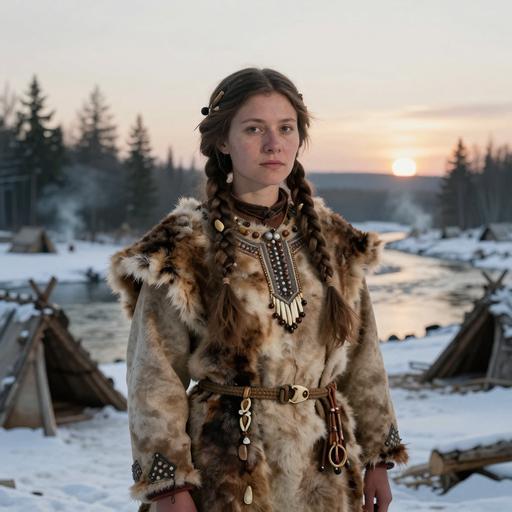
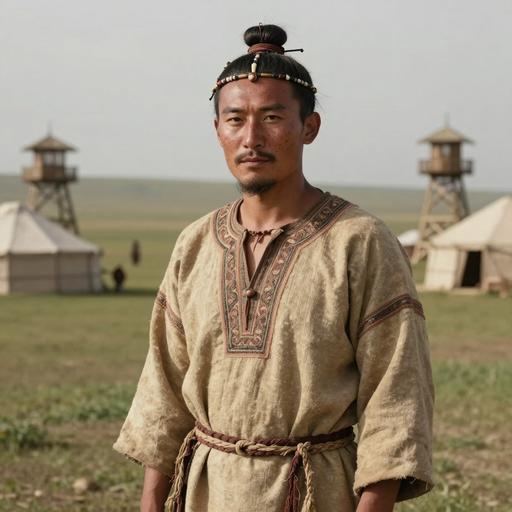
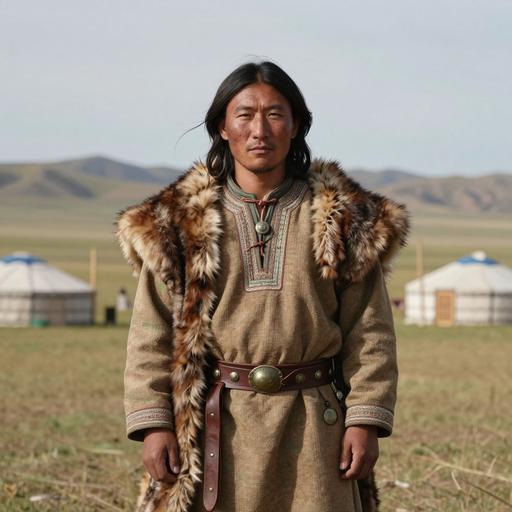
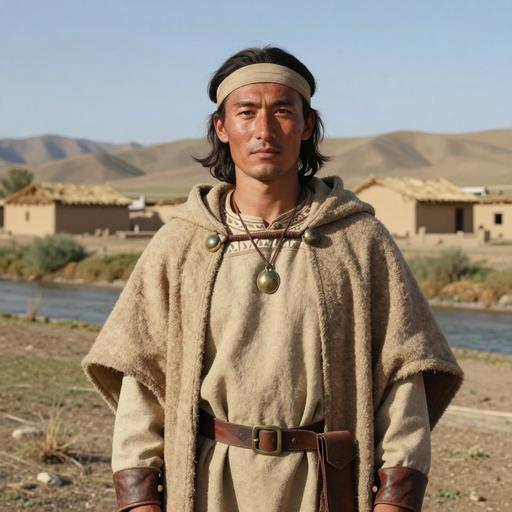
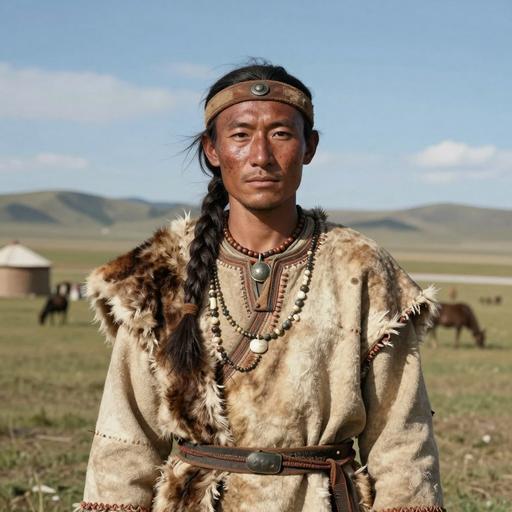
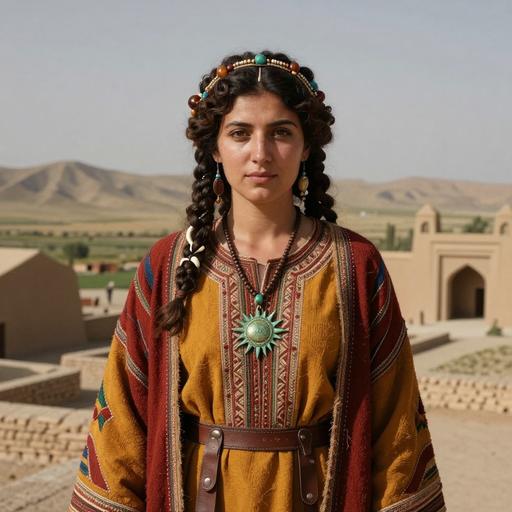
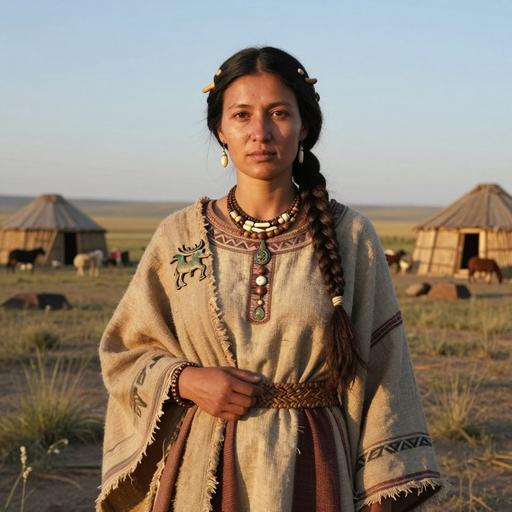
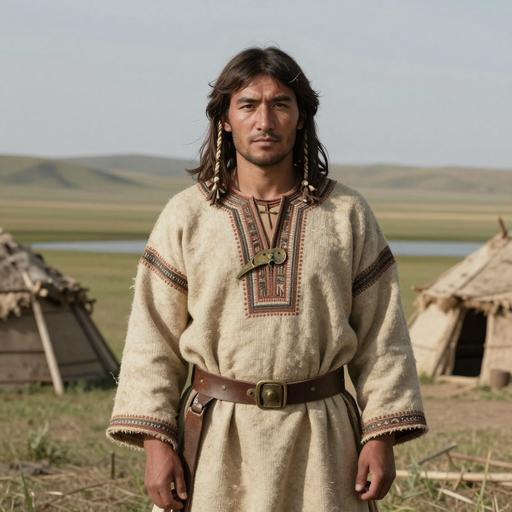
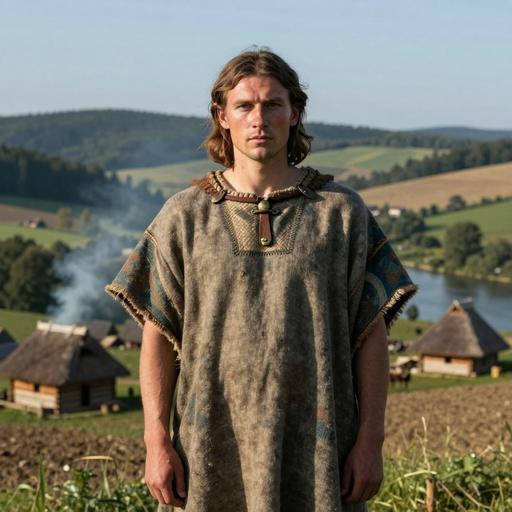
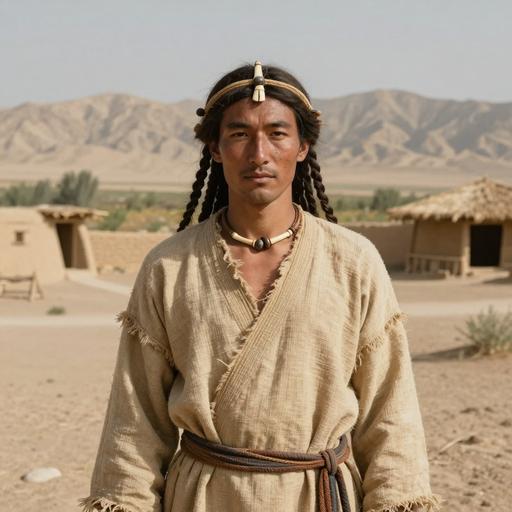
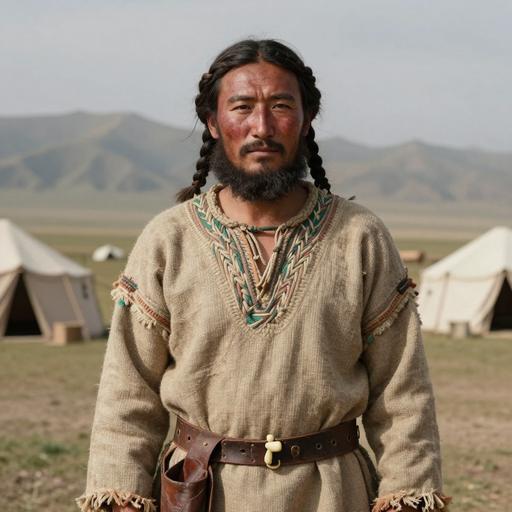
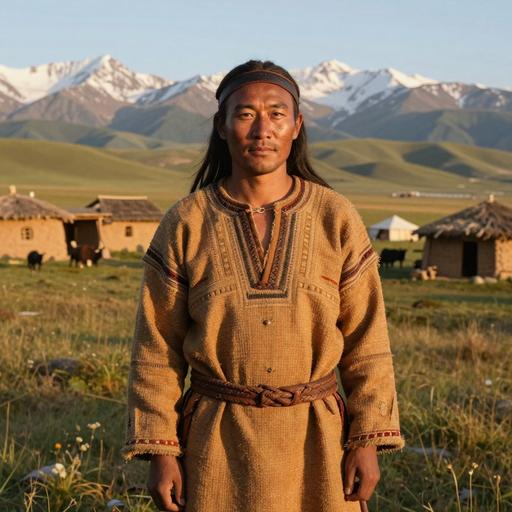
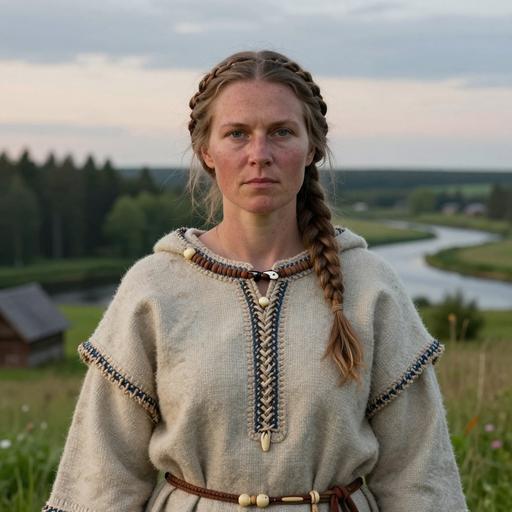
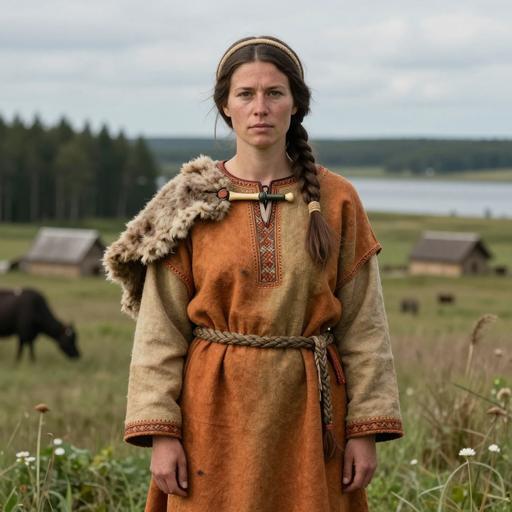
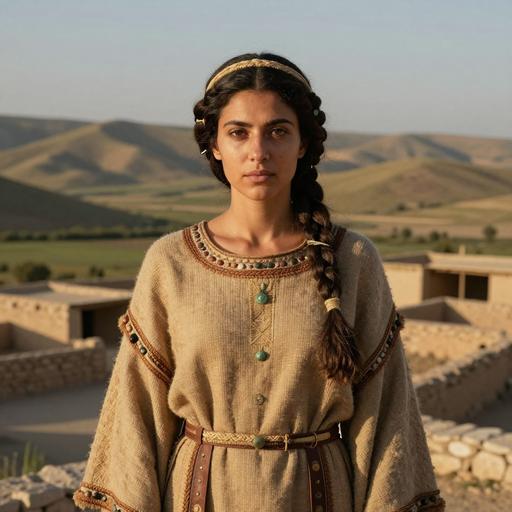
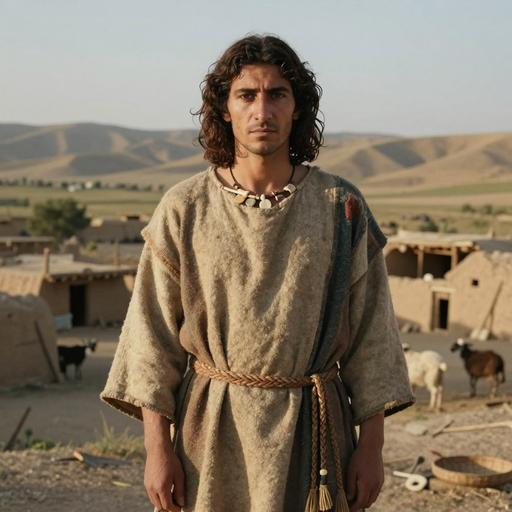
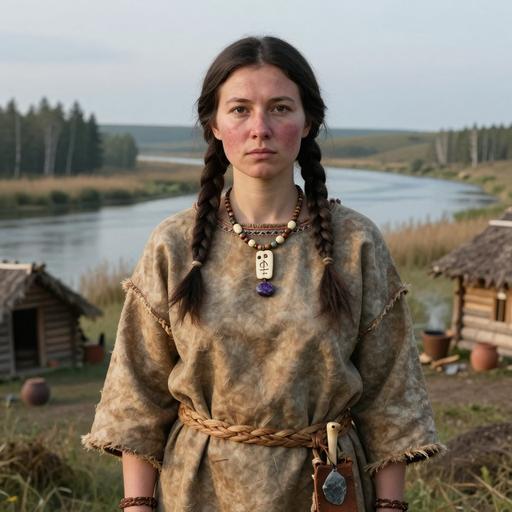
Porträts sind KI-generierte Illustrationen. Probenbezeichnungen und Zugangs-IDs identifizieren die Referenzdatensätze.

Porträt Probe Land Epoche Datum Kultur mtDNA Übereinstimmung
KI-generiertes illustratives Porträt von IA individual, Sandby Borg (Kalmar län, Mörbylånga), Sweden (450-500 CE)

Proben-ID: snb014
Sweden Southern Swedish Pre-Viking Culture 450-500 CE Pre-Viking Swedish R1b Direkt
KI-generiertes illustratives Porträt von Novosibirsk LBA individual, Priobrazhenka 3, Russia (1,386-1,212 BCE)
Proben-ID: I6047
Russia Late Bronze Priobrazhenka 1386-1212 calBCE (3025±20 BP, PSUAMS-2917) Priobrazhenka R1b Direkt
KI-generiertes illustratives Porträt von Grand Est Bas Rhin EBA individual, Grand-Est (East). Obernai. PAEI, France (1,930-1,701 BCE)
Proben-ID: OBE3626-1
France France GrandEst EBA 1930-1701 calBCE (3505±35 BP, Poz-67563) Grand Est Bronze Age R1b Direkt
KI-generiertes illustratives Porträt von Stavropol Krai BA Steppe Lola individual, North Caucasus steppe. Nevinnommiskij 3, Russia (2,127-1,924 BCE)
Proben-ID: NV3001
Russia Lola Culture, Russian Steppe 2150-1900 BCE Lola Culture R1b Direkt
KI-generiertes illustratives Porträt von Czechia EBA Unetice individual, Bohemia. Mikulovice, Czech Republic (2,136-1,949 BCE)
Proben-ID: MIG011
Czech Republic Early Bronze Age Unetice Culture, Bohemia, Czech Republic 2136-1949 calBCE (3658±24 BP, CRL-20114) Unetice Culture R1b Direkt
KI-generiertes illustratives Porträt von England EBA individual, England. Cornwall. Padstow. St. Merryn. Harlyn Bay, United Kingdom (2,285-2,036 BCE)
Proben-ID: I16424
United Kingdom Chalcolithic to Early Bronze Age England 2285-2036 calBCE (3751±32 BP, SUERC-55908) British Chalcolithic R1b Direkt
KI-generiertes illustratives Porträt von Xinjiang Songshugou BA individual, Xinjiang. Aletai Region. Jimunai (Jeminay) County. Songshugou, China (2,292-2,069 BCE)
Proben-ID: C3344
China China Xinjiang Songshugou BA 2292-2069 calBCE Xinjiang Bronze Age R1b Direkt
KI-generiertes illustratives Porträt von EBA individual, Byan Zherek. eastern spur. Dali, Kazakhstan (2,848-2,494 BCE)
Proben-ID: I3447
Kazakhstan Early Bronze Dali 2848-2494 calBCE (4075±25 BP, PSUAMS-2071) Dali Culture R1b Direkt
KI-generiertes illustratives Porträt von Altai Krai N individual, Tuzovskie-Bugry-1 (Vasino-5) (Altai Krai, Pervomaysky District), Russia (3,983-3,805 BCE)
Proben-ID: TZB002
Russia Altai-Sayan peoples of Russia 3983-3805 calBCE (5125±23 BP, MAMS-48709) Altai-Sayan R1b Direkt
KI-generiertes illustratives Porträt von Circumpolar Cultures individual, Yuzhnyy Oleni Ostrov. Karelia, Russia (5,500-5,000 BCE)
Proben-ID: UzOO77_new
Russia Eastern Hunter-Gatherer, Russia 5500 BCE - 5000 BCE Eastern Hunter-Gatherer R1b Direkt
MATERNAL LINEAGE · ANCIENT DNA

Ancient lineage evidence map

Follow parent clades toward this branch and explore where ancient carriers were found.

Loading ancient observations…

Markers are archaeological find locations. A dashed connector is an uncertain, proposed geographic transition between consecutive branches supported by multiple dated observations; it is not an exact travel route, birthplace or proof of direct descent. Parent-clade samples may belong to other descendant branches. Gaps remain where evidence is insufficient. Sample dates differ from haplogroup formation dates.

Referenzprofil

Trägerverteilungskarte

Geografische Verteilung von 58 antiken DNA-Proben (direkte und Subkladen-Träger von R1B)

Direkter Träger Subkladen-Träger
Zeitraumfilter
Alle Zeiträume
Alle Proben werden angezeigt
Referenzprofil

Zeitliche Verteilung

Verteilung der Träger über archäologische Epochen

Referenzprofil

Geografische Verteilung

Anzahlen nach erfasstem Probenland. Sie spiegeln die verfügbare Referenzauswahl wider, nicht Bevölkerungshäufigkeiten.

Referenzprofil

Verteilung Land × Epoche

Vergleichen Sie erfasste Probenanzahlen nach Ländern und archäologischen Epochen. Wählen Sie eine belegte Zelle, um eine Probe anzusehen.

Daten

Daten und Herkunft

Quellenangaben und Datenqualität

Zuletzt aktualisiert 2026-02-16
Konfidenzwert 50/100
Abdeckung Low

Datenquelle

Klassifikation, geschätzte Daten und geografischer Kontext spiegeln die erfassten Referenzdaten wider und können sich bei überarbeiteten Belegen ändern. Die Probenabdeckung ist ungleichmäßig; erfasste Orte und archäologische Zuordnungen begründen weder persönliche Herkunft noch kulturelle Identität.