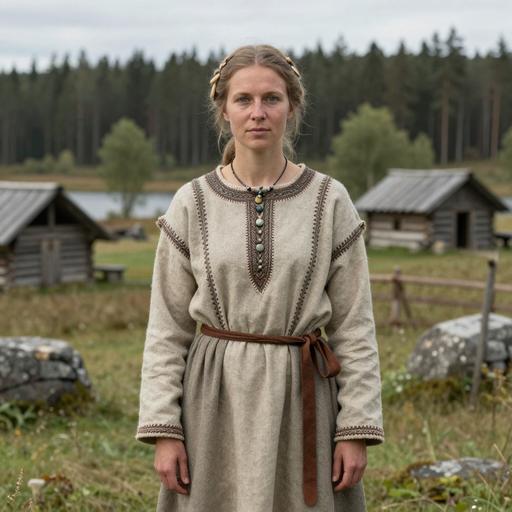
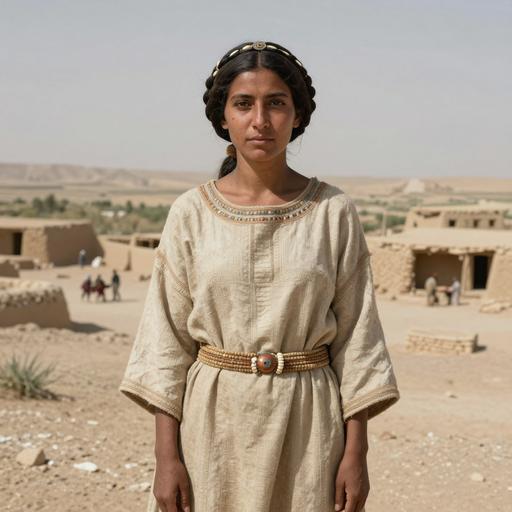
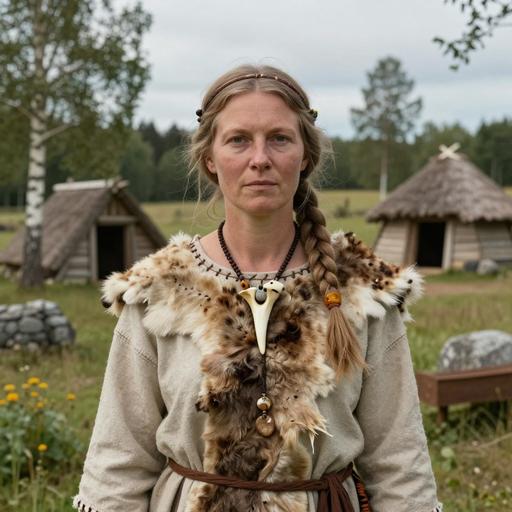
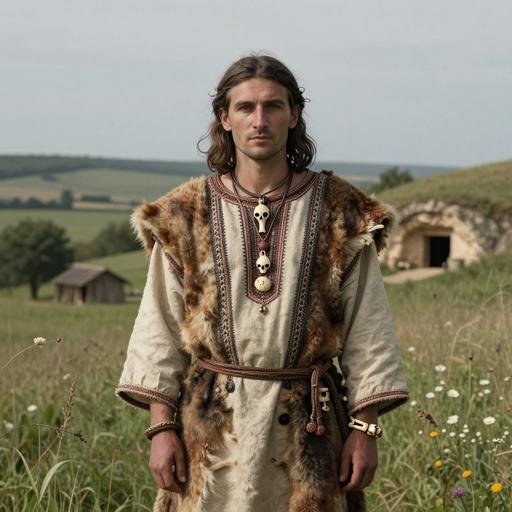
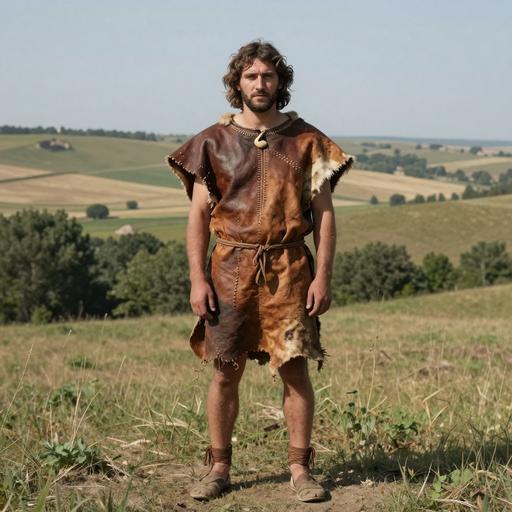
Ein Referenzprofil für einen Abstammungszweig. Gemeinsame Haplogruppen begründen weder eine familiäre Beziehung noch eine kulturelle Identität.
Referenzprofil
Hintergrund des Zweigs
Historischer Kontext für den mtDNA-Abstammungszweig U5a
Origins and Evolution
Haplogroup U5a is a subclade of haplogroup U5 (and falls under the broader parent context of U5A'B in some phylogenies). U5 as a whole is one of the oldest European maternal lineages, with deep roots in Upper Paleolithic Europe. U5a likely split from other U5 lineages during or shortly after the Last Glacial Maximum (LGM), with coalescence estimates commonly placed in the Late Glacial to early post-glacial period (roughly ~17 kya, though estimates vary by study and calibration).
The evolutionary history of U5a is tied to small, mobile hunter-gatherer groups in glacial refugia and the subsequent northward and westward re-expansion of those populations as climate improved. Ancient DNA studies repeatedly recover U5a (and other U5 subclades) in Mesolithic skeletons across Europe, indicating continuity of maternal lineages from Paleolithic/Mesolithic foragers into many modern European populations.
Subclades
U5a contains multiple downstream subclades (for example, U5a1, U5a2 and further branches such as U5a1a, U5a1b, etc.), each with distinct geographic and temporal signatures. Some subbranches show concentration in northern and northeastern Europe (including Fennoscandia and the Baltic region), whereas others appear more frequent in western or central Europe. Subclade branching patterns and ages provide insights into post-LGM recolonization routes and later regional demographic events.
Geographical Distribution
Today, U5a is most frequent in northern and western Europe but is also found at lower frequencies across eastern Europe, the Caucasus, and parts of western Asia. It is notably present among populations with continuity from Mesolithic groups (e.g., Saami and some northern European groups), as well as in many modern European populations including Scandinavians, Basques, and various eastern European groups. Low-frequency occurrences in the Near East and parts of Siberia reflect either ancient shared ancestry or later gene flow.
Historical and Cultural Significance
U5a is strongly associated with European hunter-gatherer ancestry and is often recovered in Mesolithic skeletons from across Europe. Because it predates the Neolithic farming expansion, U5a is widely used in population genetic studies as a marker of pre-farming maternal lineages in Europe. Its persistence into later archaeological contexts—sometimes at reduced frequency relative to early farmers' lineages—illustrates complex interactions (admixture, replacement, and assimilation) between indigenous foragers and incoming Neolithic and Bronze Age groups.
While U5a itself isn’t tied exclusively to a single later archaeological culture, its presence among ancient remains helps reconstruct movements associated with post-LGM recolonization, the spread of hunter-gatherer descendants, and regional continuity in areas such as northern Fennoscandia and parts of Western Europe.
Conclusion
mtDNA haplogroup U5a is a key maternal lineage for understanding Europe's Paleolithic and Mesolithic demographic history. Its antiquity, geographic patterning, and continuity in ancient and modern samples make it a valuable marker for reconstructing post-glacial recolonization and the persistence of indigenous maternal ancestry despite later cultural and demographic changes during the Neolithic and Bronze Age periods.
Wichtige Punkte
Origins and Evolution
Subclades
Geographical Distribution
Historical and Cultural Significance
Conclusion
Referenzprofil
Baum und Verwandtschaft
Phylogenetischer Kontext und Subkladen
Entwicklungsweg
Folgen Sie den erfassten übergeordneten Zweigen bis U5a. Die Daten sind Schätzungen und können sich ändern, wenn Referenzdaten überarbeitet werden.
The populations where mtDNA haplogroup U5a is found include:
Mesolithic European hunter-gatherer groups (ancient remains)
Modern Scandinavians (including Saami)
Basque and some Western European populations
Baltic populations (Latvians, Lithuanians)
Eastern European populations (Russians, Poles, Ukrainians)
Populations in the Caucasus and Near East (low frequencies)
Some Siberian and Uralic-speaking groups (low frequencies)
Modern central European groups (Germany, Czechia, Austria) at variable frequencies
Historischer Kontext
Ein Zweig durch die Zeit
Geschätzte Entstehung in einer breiten historischen Zeitleiste. Zeitmarken liefern Kontext und implizieren keine Verbindung zu bestimmten Kulturen.
~20k Jahre zurück
Letztes glaziales Maximum
Höhepunkt der letzten Eiszeit, isolierte Bevölkerungen
~17k Jahre zurück
Haplogruppe U5a
Geschätzte Entstehung dieses mtDNA-Zweigs; Daten und Orte sind Referenzschätzungen.
Dieser Zweig
~10k Jahre zurück
Neolithische Revolution
Beginn der Landwirtschaft und feste Siedlungen
~5k Jahre zurück
Bronzezeit
Metallverarbeitung, Schrift und frühe Zivilisationen
~3k Jahre zurück
Eisenzeit
Eisenwerkzeuge und ausgedehnte Handelsnetze
~2.5k Jahre zurück
Klassische Antike
Blüte griechischer und römischer Kulturen
Gegenwart
Gegenwart
Moderne Zeit
Referenzprofil
Archäologischer Kontext
Erfasste archäologische Zuordnungen für den mtDNA-Zweig U5a
Erfasste Zuordnungen
Diese Bezeichnungen beschreiben archäologische Kontexte erfasster Referenzproben mit Bezug zu U5a. Eine Zuordnung bedeutet nicht, dass alle Träger einer Kultur angehörten oder einer bestimmten Migrationsroute folgten.
Kulturzuordnungen basieren auf dem archäologischen Kontext antiker DNA-Proben und können regionale Verknüpfungen in bestimmten Zeiträumen widerspiegeln.
Referenzprofil
Probencatalog
9 direkte Träger und 91 Subkladen-Träger der Haplogruppe U5a
10 angezeigt · 50 passende Proben
Keine Proben entsprechen diesen Filtern. Versuchen Sie eine andere Bezeichnung, einen anderen Ort oder eine andere Epoche.
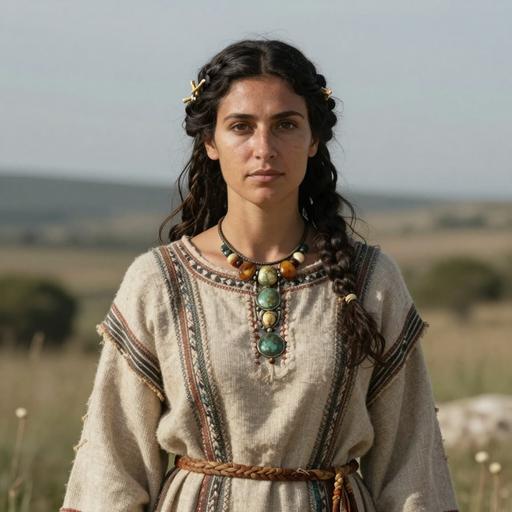
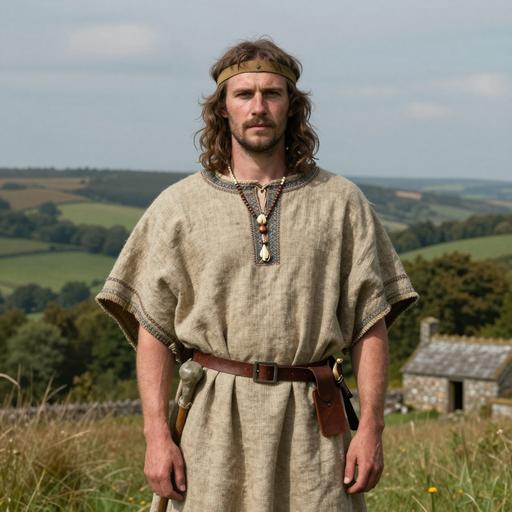
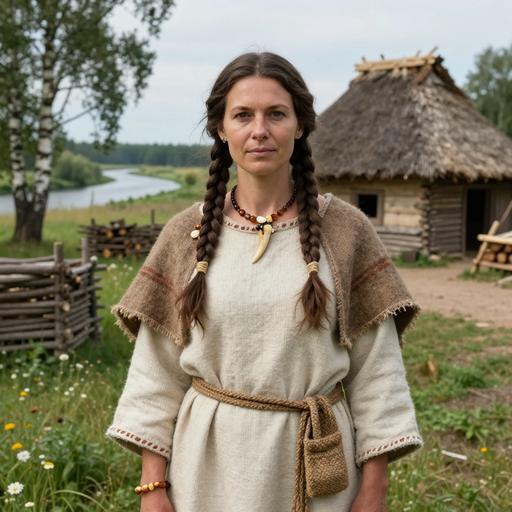
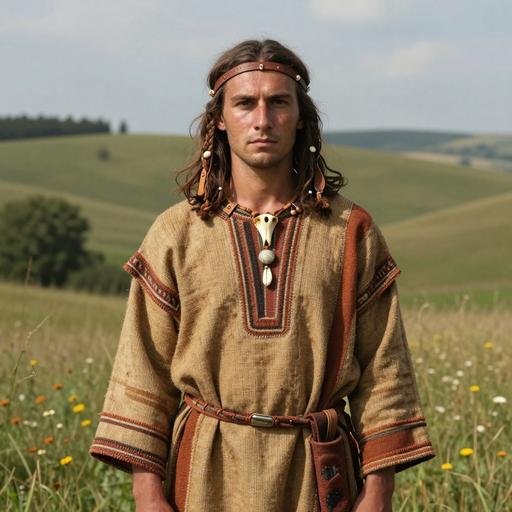
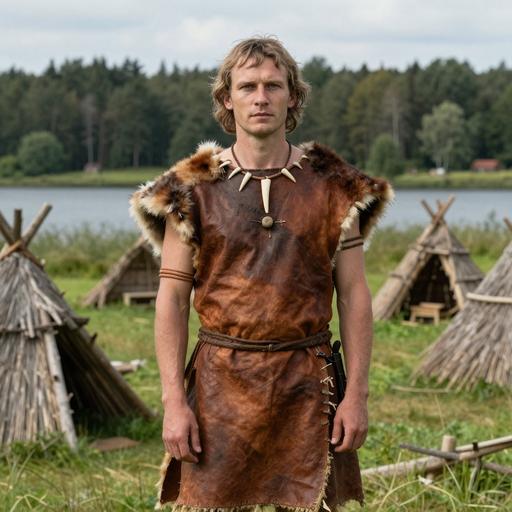
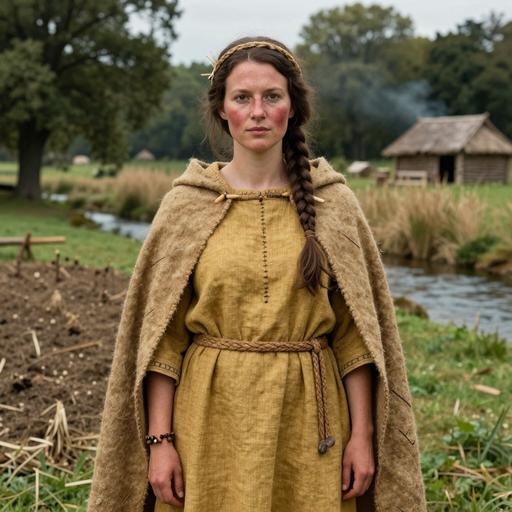
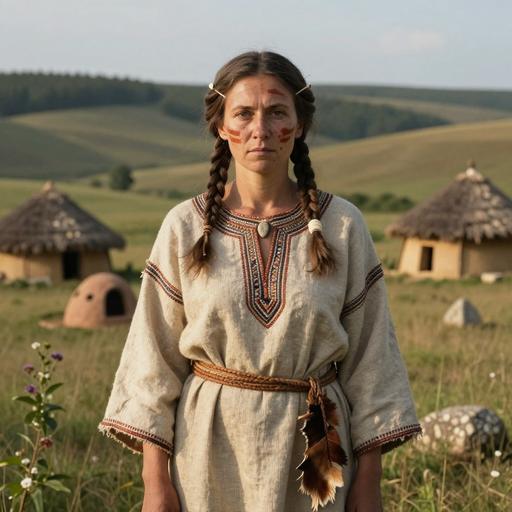
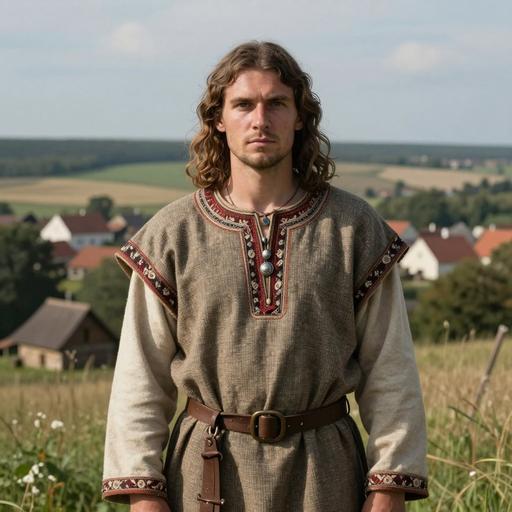
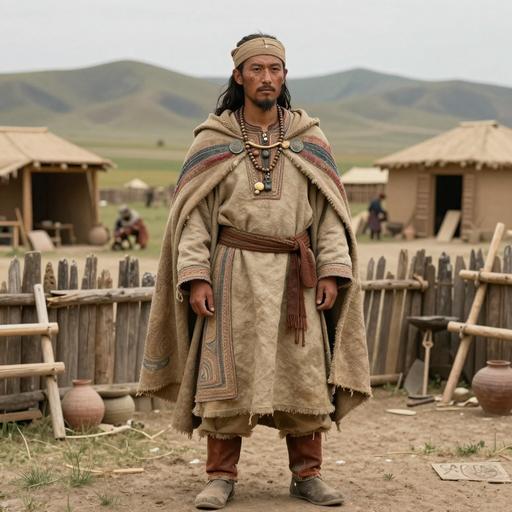
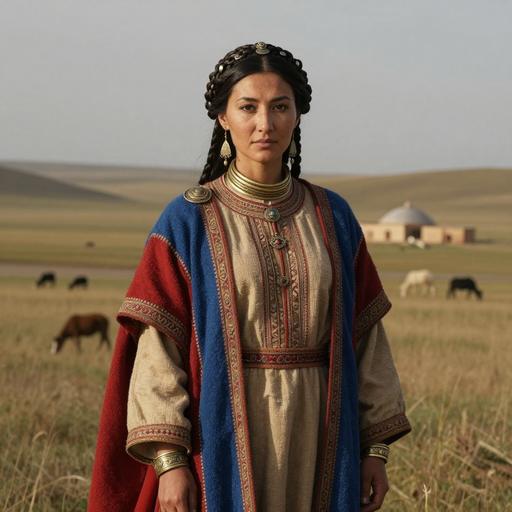
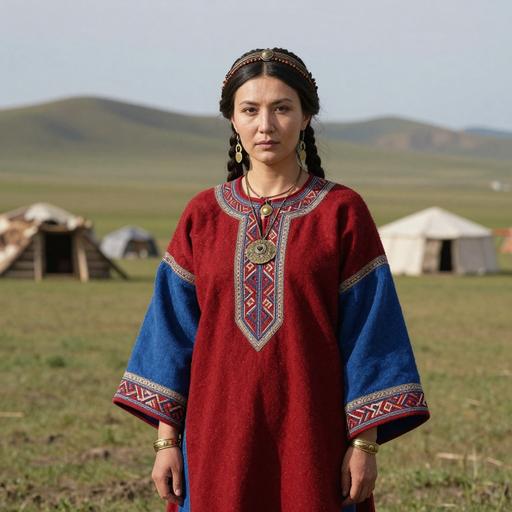
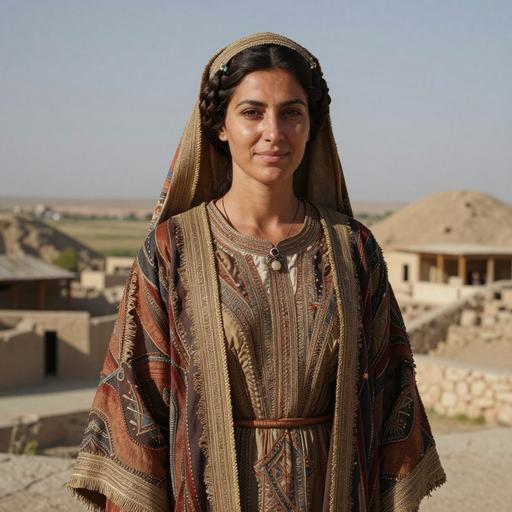
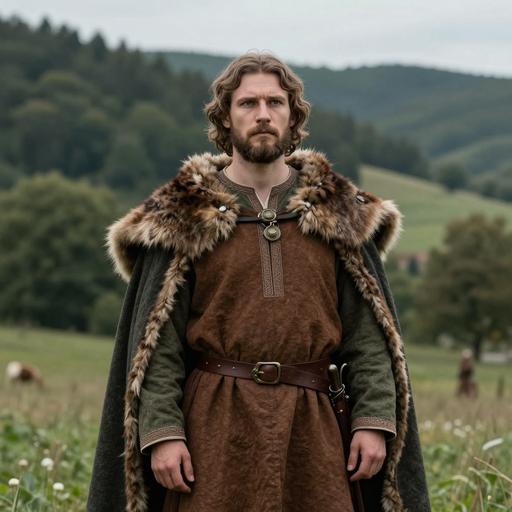
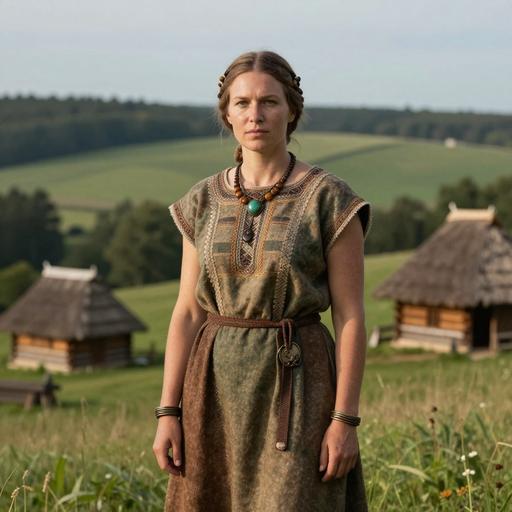
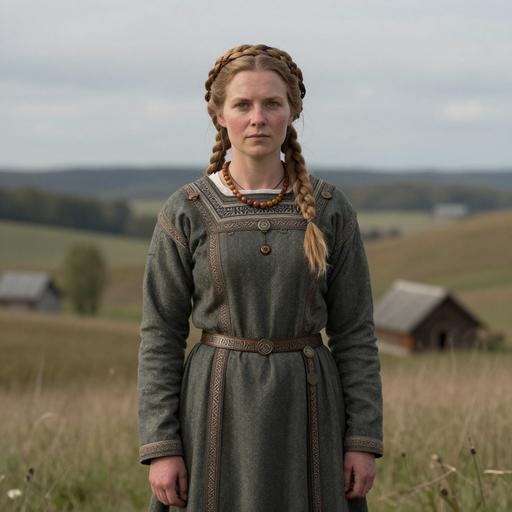
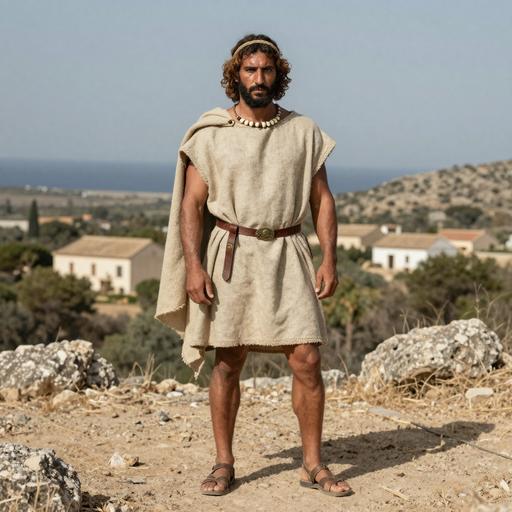
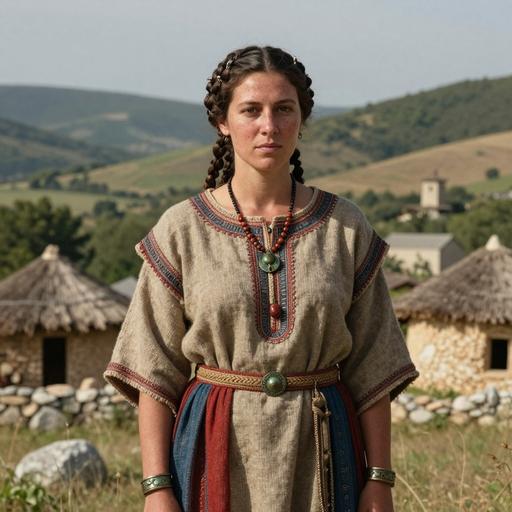
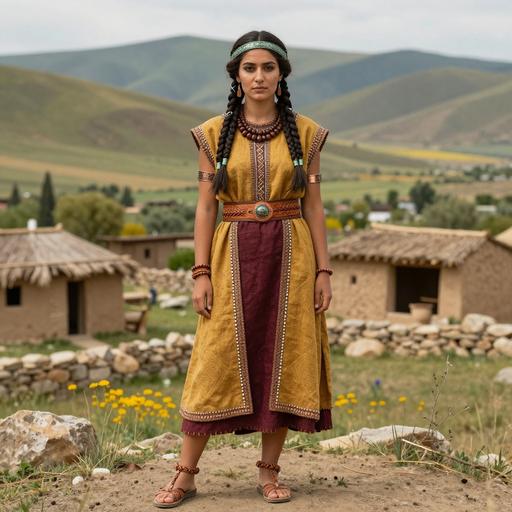
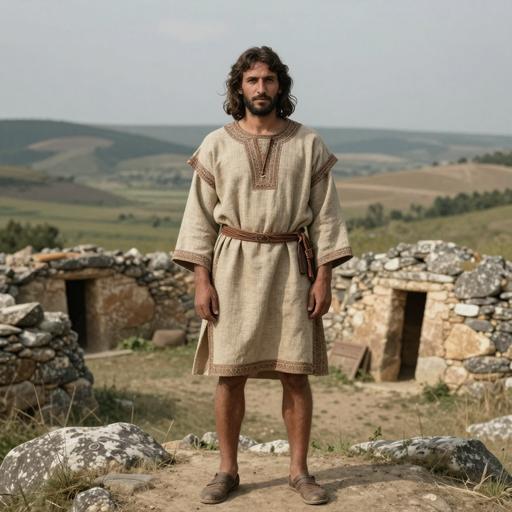
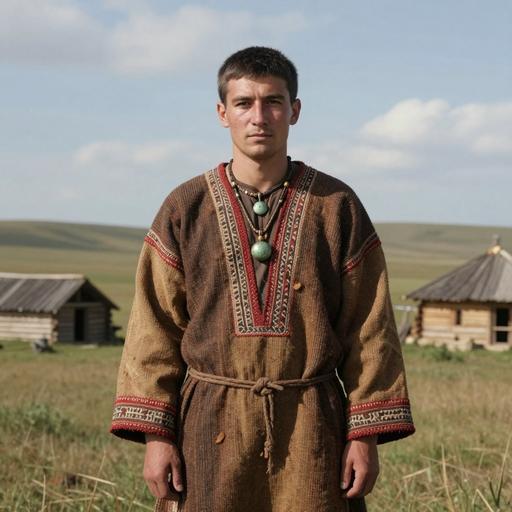
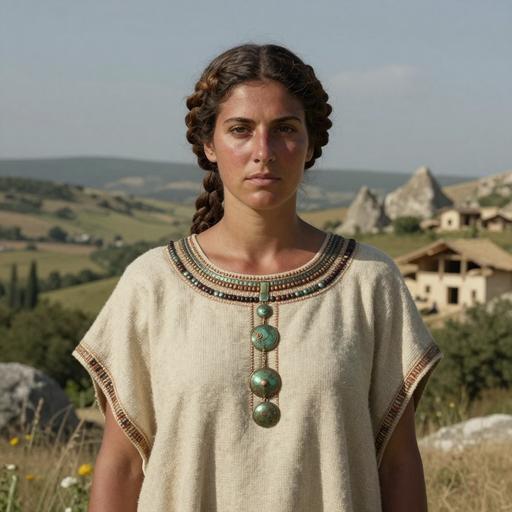
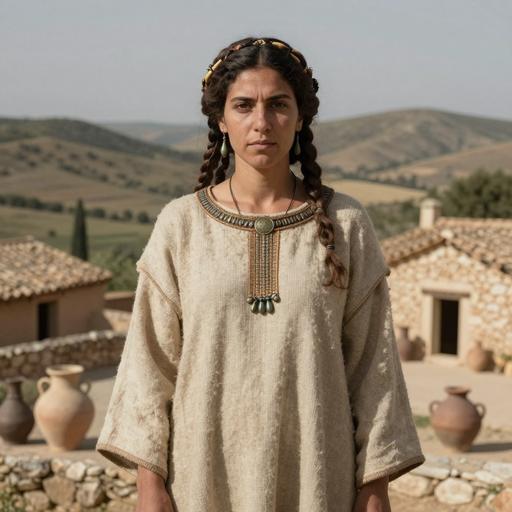
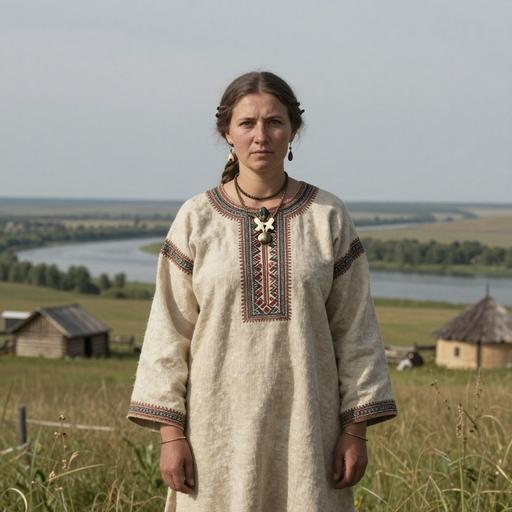
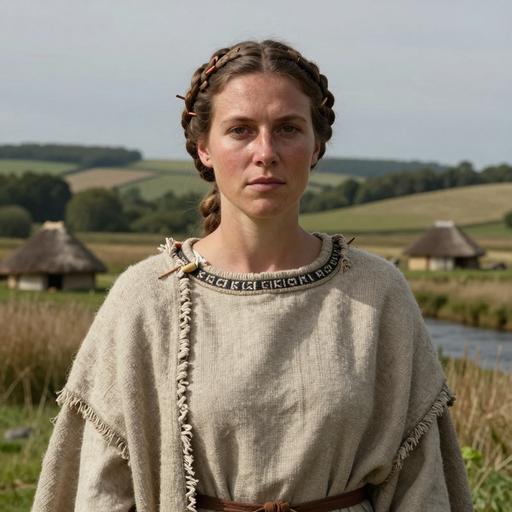
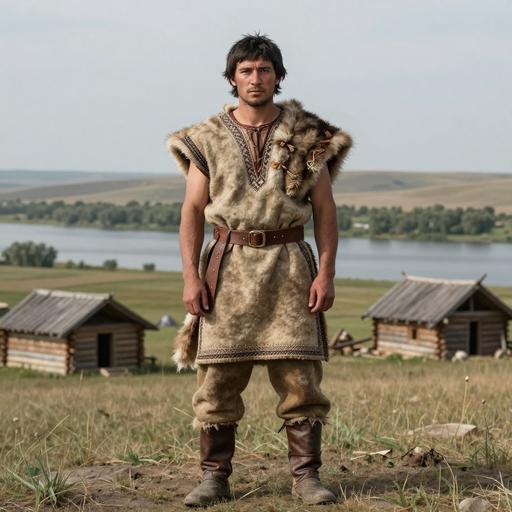
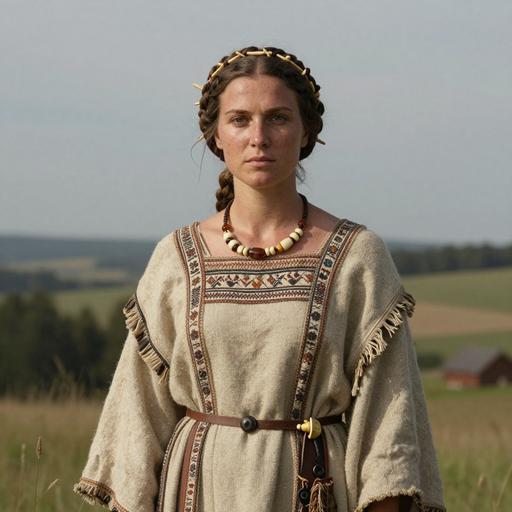
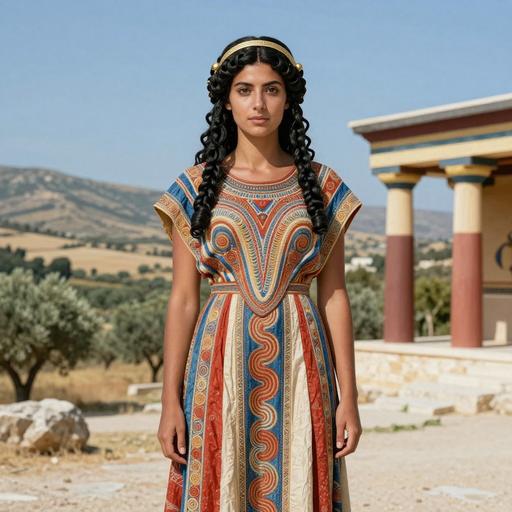
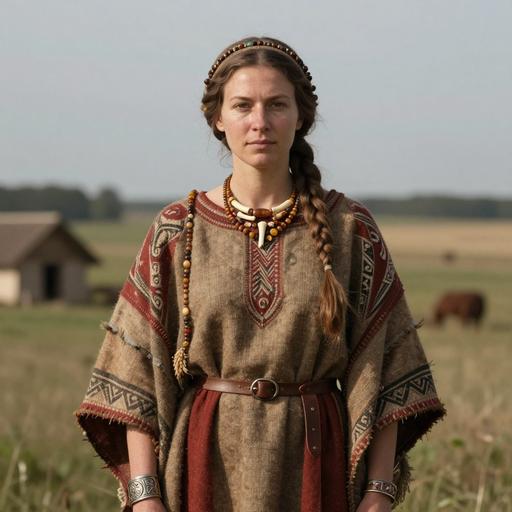
Porträts sind KI-generierte Illustrationen. Probenbezeichnungen und Zugangs-IDs identifizieren die Referenzdatensätze.
Porträt
Probe
Land
Epoche
Datum
Kultur
mtDNA
Übereinstimmung
Proben-ID: I18722
Croatia
Croatia MLBA
1500 BCE - 800 BCE
Croatian Bronze Age
U5a
Direkt
Proben-ID: I7630
United Kingdom
Chalcolithic to Early Bronze Age England
1881-1689 calBCE (3458±27 BP, SUERC-72661)
British Chalcolithic
U5a
Direkt
Proben-ID: I5387
United Kingdom
England N
3300 BCE - 2500 BCE
British Neolithic
U5a
Direkt
Proben-ID: I5387
United Kingdom
Middle to Late Neolithic Britain
3300 BCE - 2500 BCE
U5a
Direkt
Proben-ID: N19
Poland
Poland TRB
3636 BCE - 3379 BCE
Funnel Beaker
U5a
Direkt
Proben-ID: VERT106
Ukraine
Middle to Late Trypillia Culture, Verteba Cave, Ukraine
3782-3653 calBCE (4960±20 BP, PSUAMS-3178)
Trypillia Culture
U5a
Direkt
Proben-ID: NEO3
Denmark
Ertebølle culture
4535-4254 calBCE (5540±65 BP, K-3921)
Ertebølle
U5a
Direkt
Proben-ID: DER035
Germany
Neolithic Linear Pottery Culture in Saxony, Germany
Follow parent clades toward this branch and explore where ancient carriers were found.
Loading ancient observations…
Reduced motion is enabled. Use the timeline or Show all to explore at your own pace.
Read observations as a table
Displayed ancient observations by branch, period and date midpoint
Branch
Period
Date range
Sample
Sample ID
Location
Haplogroup
Relationship
Markers are archaeological find locations. A dashed connector is an uncertain, proposed geographic transition between consecutive branches supported by multiple dated observations; it is not an exact travel route, birthplace or proof of direct descent. Parent-clade samples may belong to other descendant branches. Gaps remain where evidence is insufficient. Sample dates differ from haplogroup formation dates.
Grouping by historical period reflects when each ancient individual lived, combined across every branch on this lineage chain; it is not a migration sequence or a personal timeline between periods.
Referenzprofil
Trägerverteilungskarte
Geografische Verteilung von 100 antiken DNA-Proben (direkte und Subkladen-Träger von U5a)
Direkter Träger Subkladen-Träger
Zeitraumfilter
Alle Zeiträume
Alle Proben werden angezeigt
Referenzprofil
Zeitliche Verteilung
Verteilung der Träger über archäologische Epochen
Referenzprofil
Geografische Verteilung
Anzahlen nach erfasstem Probenland. Sie spiegeln die verfügbare Referenzauswahl wider, nicht Bevölkerungshäufigkeiten.
Referenzprofil
Verteilung Land × Epoche
Vergleichen Sie erfasste Probenanzahlen nach Ländern und archäologischen Epochen. Wählen Sie eine belegte Zelle, um eine Probe anzusehen.
Daten
Daten und Herkunft
Quellenangaben und Datenqualität
Zuletzt aktualisiert2026-06-14
Datenquelle
Klassifikation, geschätzte Daten und geografischer Kontext spiegeln die erfassten Referenzdaten wider und können sich bei überarbeiteten Belegen ändern. Die Probenabdeckung ist ungleichmäßig; erfasste Orte und archäologische Zuordnungen begründen weder persönliche Herkunft noch kulturelle Identität.