|
|
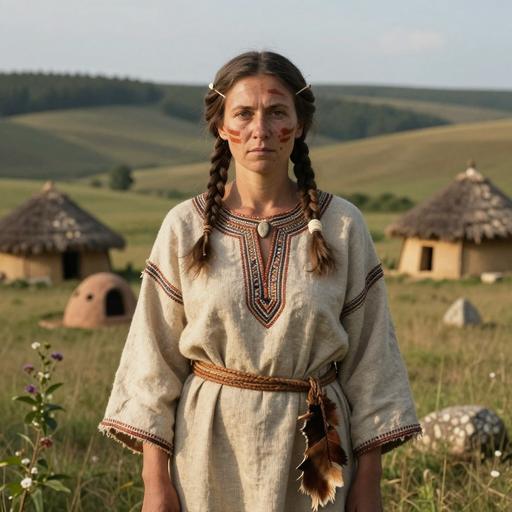
European Bronze Age individual, Croatia
Sample ID: I18722
|
Croatia |
Croatia MLBA |
1500 BCE - 800 BCE |
Croatian Bronze Age |
U5a |
Direct
|
|
|
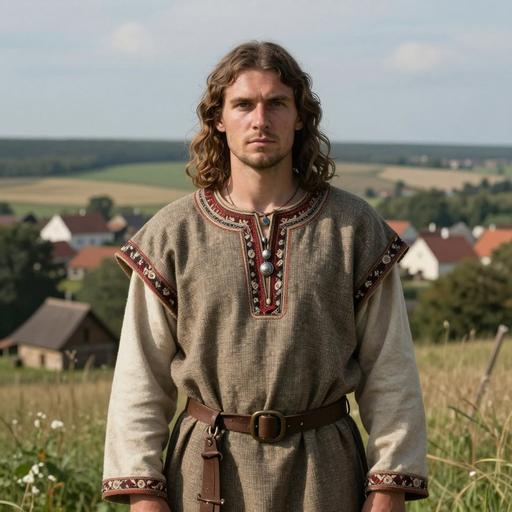
England EBA high EEF individual, United Kingdom
Sample ID: I7630
|
United Kingdom |
Chalcolithic to Early Bronze Age England |
1881-1689 calBCE (3458±27 BP, SUERC-72661) |
British Chalcolithic |
U5a |
Direct
|
|
|
Celtic individual, United Kingdom
Sample ID: I5387
|
United Kingdom |
England N |
3300 BCE - 2500 BCE |
British Neolithic |
U5a |
Direct
|
|
|
Britain Mln individual, United Kingdom
Sample ID: I5387
|
United Kingdom |
Middle to Late Neolithic Britain |
3300 BCE - 2500 BCE |
|
U5a |
Direct
|
|
|
European Neolithic individual, Poland
Sample ID: N19
|
Poland |
Poland TRB |
3636 BCE - 3379 BCE |
Funnel Beaker |
U5a |
Direct
|
|
|
Eneolithic Trypillia individual, Ukraine
Sample ID: VERT106
|
Ukraine |
Middle to Late Trypillia Culture, Verteba Cave, Ukraine |
3782-3653 calBCE (4960±20 BP, PSUAMS-3178) |
Trypillia Culture |
U5a |
Direct
|
|
|
Late Mesolithic Ertebolle individual, Denmark
Sample ID: NEO3
|
Denmark |
Ertebølle culture |
4535-4254 calBCE (5540±65 BP, K-3921) |
Ertebølle |
U5a |
Direct
|
|
|
Derenburg Meerenstieg2 N LBK individual, Germany
Sample ID: DER035
|
Germany |
Neolithic Linear Pottery Culture in Saxony, Germany |
5400-4900 BCE |
Linear Pottery Culture |
U5a |
Direct
|
|
|
N individual, Ukraine
Sample ID: NEO553
|
Ukraine |
Ukraine N |
5618-5410 calBCE (6553±40 BP, UBA-40068) |
Ukrainian Neolithic |
U5a |
Direct
|
|
|
Roman Wielbark individual, Poland
Sample ID: PCA0499
|
Poland |
Wielbark Culture |
100-300 CE |
Wielbark |
U5a1 |
Downstream
|
|
|
Ancient Chinese Civilization individual, China
Sample ID: M012
|
China |
Iron Age Xinjiang, China |
361 BCE - 174 BCE |
Xinjiang Culture |
U5a2 |
Downstream
|
|
|
Xinjiang Wuzan IA-o East Asia individual, China
Sample ID: C799
|
China |
China Xinjiang Wuzan IA |
540-386 calBCE |
Wuzan Culture |
U5a2 |
Downstream
|
|
|
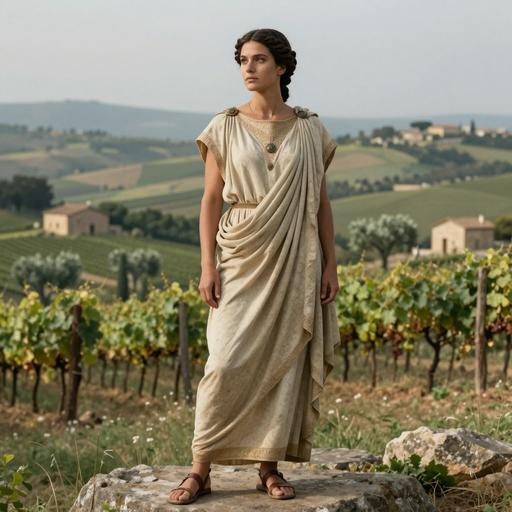
Lazio IA b Etruscan individual, Italy
Sample ID: R473
|
Italy |
Iron Age Roman Republic |
700-600 BCE |
Roman Republic |
U5a1 |
Downstream
|
|
|
Eurasian Nomadic individual, Kazakhstan
Sample ID: I11523
|
Kazakhstan |
Kazakhstan Sarmatian |
769 BCE - 236 BCE |
Sarmatian |
U5a1 |
Downstream
|
|
|
Sarmatian individual, Kazakhstan
Sample ID: DA202
|
Kazakhstan |
Kazakhstan Sarmatian |
769-236 calBCE (2384±71 BP, UBA-33608) |
Sarmatian |
U5a1 |
Downstream
|
|
|
Sarmatian individual, Kazakhstan
Sample ID: I11523
|
Kazakhstan |
The Sarmatian Culture |
769 BCE - 236 BCE |
|
U5a1 |
Downstream
|
|
|
Early Medieval Byzantine individual, Turkey
Sample ID: I14760
|
Turkey |
Southeast Byzantine Turkey |
773-881 calCE (1215±15 BP, PSUAMS-8436) |
Byzantine Anatolia |
U5a2 |
Downstream
|
|
|
Medieval individual, Romania
Sample ID: I10495
|
Romania |
Romania Medieval |
991-1025 calCE (1045±15 BP, PSUAMS-7904) |
Medieval Romanian |
U5a1 |
Downstream
|
|
|
Early Slav individual, Poland
Sample ID: PCA0199
|
Poland |
Iron Age Lusatian culture of Poland |
1000-1200 CE |
Lusatian Culture |
U5a1 |
Downstream
|
|
|
IA individual, Poland
Sample ID: PCA0504
|
Poland |
Iron Age Milicz Culture |
1000-1200 CE |
Milicz Culture |
U5a1 |
Downstream
|
|
|
Medieval individual, Sweden
Sample ID: wes001
|
Sweden |
Medieval Northern Swedish Culture |
1000-1300 CE |
Medieval Swedish |
U5a1 |
Downstream
|
|
|
LBA individual, Spain
Sample ID: EFA007
|
Spain |
Late Bronze Age Spain |
1200-1000 BCE |
Iberian Bronze Age |
U5a2 |
Downstream
|
|
|
Illyrian individual, Montenegro
Sample ID: RISE595
|
Montenegro |
Montenegro LBA |
1200 BCE - 800 BCE |
Montenegrin Bronze Culture |
U5a2 |
Downstream
|
|
|
Balkans Lba individual, Montenegro
Sample ID: RISE595
|
Montenegro |
Late Bronze Age Balkans |
1200 BCE - 800 BCE |
|
U5a2 |
Downstream
|
|
|
Apulia BA IA a IA b IA Daunian individual, Italy
Sample ID: SAL010
|
Italy |
Daunian Culture Salapia, Italy |
1300 BCE - 200 BCE |
Daunian Culture |
U5a1 |
Downstream
|
|
|
Crete Necropolisof Armenoi BA individual, Greece
Sample ID: I9123
|
Greece |
Armenoi Site, Crete, Greece |
1400-1300 BCE |
Armenoi Culture |
U5a1 |
Downstream
|
|
|
Nerkin Getashen LBA individual, Armenia
Sample ID: I15748
|
Armenia |
Late Bronze Age to Early Iron Age Armenia |
1450-1250 BCE |
Armenian LBA-EIA |
U5a2 |
Downstream
|
|
|
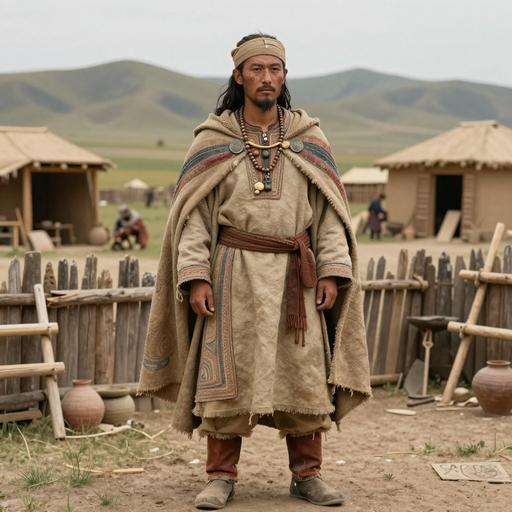
Mongun Taiga LBA-1 individual, Mongolia
Sample ID: I13174
|
Mongolia |
Late Bronze Age Mongun-Taiga 1, Mongolia |
1501-1421 calBCE (3185±20 BP, UCIAMS-226564, PSUG-5483) |
Mongun-Taiga Culture |
U5a2 |
Downstream
|
|
|
Kairyaka MLBA individual, Bulgaria
Sample ID: I2163
|
Bulgaria |
Middle to Late Bronze Age Bulgaria |
1866-1615 calBCE (3400±30 BP, Beta-432796) |
Bulgarian Bronze Age |
U5a2 |
Downstream
|
|
|
Indo-European individual, Russia
Sample ID: kzb007
|
Russia |
Srubnaya-Alakul Culture, Russia |
1873 BCE - 1623 BCE |
Srubnaya-Alakul |
U5a1 |
Downstream
|
|
|
MLBA individual, Croatia
Sample ID: I18082
|
Croatia |
Croatia MLBA |
2000-1000 BCE |
Croatian Bronze Age |
U5a1 |
Downstream
|
|
|
EBA individual, Spain
Sample ID: ALM004
|
Spain |
The Argaric Culture of Spain |
2000-1750 BCE |
El Argar |
U5a1 |
Downstream
|
|
|
Samara LBA Srubnaya-1 individual, Russia
Sample ID: I0354
|
Russia |
Srubnaya Culture |
2021-1689 calBCE (3517±56 BP, AA-47809) |
Srubnaya Culture |
U5a1 |
Downstream
|
|
|
England EBA individual, United Kingdom
Sample ID: I7639
|
United Kingdom |
Chalcolithic to Early Bronze Age England |
2033-1635 calBCE (3520±70 BP, HAR-3880) |
British Chalcolithic |
U5a1 |
Downstream
|
|
|
Samara LBA Srubnaya individual, Russia
Sample ID: I0360
|
Russia |
Srubnaya Culture |
2050-1650 BCE |
Srubnaya Culture |
U5a1 |
Downstream
|
|
|
Singen EBA individual, Germany
Sample ID: MX280
|
Germany |
Early Bronze Age Singen, Southern Germany |
2111-1897 calBCE (3620±22 BP, MAMS-21975) |
Singen Culture |
U5a1 |
Downstream
|
|
|
MBA Multi Cordoned Ware individual, Moldova
Sample ID: I10449
|
Moldova |
Moldova MBA MultiCordonedWare |
2200-1700 BCE |
Multi Cordoned Ware Culture |
U5a2 |
Downstream
|
|
|
Crete Hg Charalambos EMBA individual, Greece
Sample ID: I0071
|
Greece |
Minoan Lassithi, Greece |
2400-1700 BCE |
Lassithi Culture |
U5a1 |
Downstream
|
|
|
Indo-European individual, Poland
Sample ID: pcw280
|
Poland |
Bell Beaker Culture Southeast Poland |
2500 BCE - 2100 BCE |
Bell Beaker |
U5a1 |
Downstream
|
|
|
Nordic Bronze Age individual, Sweden
Sample ID: vbj018
|
Sweden |
Pitted Ware and Battle Axe Culture Västerbjers, Gotland, Sweden |
3011 BCE - 2878 BCE |
Västerbjers Culture |
U5a2 |
Downstream
|
|
|
Pitted Ware individual, Sweden
Sample ID: vbj018
|
Sweden |
The Pitted Ware Culture |
3011 BCE - 2878 BCE |
|
U5a2 |
Downstream
|
|
|
N individual, Sweden
Sample ID: FRA103
|
Sweden |
Northern Swedish Frälsegården |
3262-2930 calBCE (4420±15 BP; UCIAMS-278068) |
Frälsegården |
U5a1 |
Downstream
|
|
|
Late C Baden individual, Hungary
Sample ID: I2753
|
Hungary |
Hungary LateC Baden |
3333-2928 calBCE (4440±35 BP, Poz-88231) |
Baden Culture |
U5a1 |
Downstream
|
|
|
Shah Tepe BA individual, Iran
Sample ID: sha009
|
Iran |
Iran ShahTepe BA |
3346-3031 calBCE (4484±33 BP, Ua-70800) |
Shah Tepe Culture |
U5a2+16294 |
Downstream
|
|
|
Norse individual, Sweden
Sample ID: hem005
|
Sweden |
Pitted Ware and Battle Axe Culture Hemmor, Gotland, Sweden |
3367 BCE - 3102 BCE |
Hemmor Culture |
U5a1 |
Downstream
|
|
|
Pitted Ware individual, Sweden
Sample ID: hem005
|
Sweden |
The Pitted Ware Culture |
3367 BCE - 3102 BCE |
|
U5a1 |
Downstream
|
|
|
Eneolithic Trypillia individual, Ukraine
Sample ID: VERT104
|
Ukraine |
Middle to Late Trypillia Culture, Verteba Cave, Ukraine |
3767-3643 calBCE (4925±25 BP, PSUAMS-3152) |
Trypillia Culture |
U5a2 |
Downstream
|
|
|
Eneolithic Serednii Stih Don individual, Russia
Sample ID: NEO163
|
Russia |
Serednii Stih culture |
4042-3799 calBCE (5133±40 BP, UBA-39977) |
Serednii Stih |
U5a2 |
Downstream
|
|
|
N Mariupol individual, Ukraine
Sample ID: NEO265
|
Ukraine |
Dnieper-Mariupol Culture |
4238-3986 calBCE (5276±38 BP, UBA-40019) |
Dnieper-Mariupol |
U5a2+16362 |
Downstream
|
|
|
Mesolithic individual, Ukraine
Sample ID: NEO522
|
Ukraine |
Dnieper Mesolithic Culture |
4682-4458 calBCE (5723±38 BP, UBA-40054) |
Dnieper Mesolithic |
U5a1 |
Downstream
|