Zum Hauptinhalt springen
Y-DNA · Väterliche Linie

IJ

Y-DNA Haplogroup IJ

Ein Referenzprofil für einen Abstammungszweig. Gemeinsame Haplogruppen begründen weder eine familiäre Beziehung noch eine kulturelle Identität.

Referenzprofil

Hintergrund des Zweigs

Historischer Kontext für den Y-DNA-Abstammungszweig IJ

Origins and Evolution

Y-DNA haplogroup IJ is an important intermediate branch in the paternal Y-chromosome tree, lying upstream of the well-known descendant lineages I and J. It is generally inferred to have arisen in West Eurasia during the Upper Paleolithic, likely around 30 thousand years ago, though the exact timing remains uncertain because ancient DNA evidence for deep prehistory is still incomplete.

From a population genetics perspective, IJ is best understood as a shared ancestral node rather than a single modern population marker. Its descendants later diversified into two major clades with very different historical trajectories: haplogroup I, which became strongly associated with European hunter-gatherer ancestry and later northern and southeastern European populations, and haplogroup J, which expanded widely in the Near East, Caucasus, Mediterranean, and parts of Europe.

Subclades

Haplogroup IJ is the ancestral branch for two major paternal lineages:

  • I: A predominantly European lineage associated with Mesolithic hunter-gatherers and later European populations.
  • J: A lineage with deep roots in the Near East and surrounding regions, later linked to Neolithic expansions and historic Mediterranean and West Asian populations.

Because IJ is an intermediate clade, it is usually discussed in relation to its daughter branches rather than as a frequently identified terminal haplogroup in modern surveys.

Geographical Distribution

Although IJ itself is rarely reported as a high-frequency modern lineage, its descendant branches are widespread across Europe, the Near East, the Caucasus, and parts of Central and South Asia. The geographic pattern of IJ reflects an early West Eurasian origin followed by the divergent dispersals of I and J.

In modern populations, the broader IJ paternal heritage is most visible indirectly through the presence of its descendants. Haplogroup I is common in Scandinavia, the Balkans, Central Europe, and the British Isles, while haplogroup J is frequent in the Levant, Anatolia, the Caucasus, the Arabian Peninsula, and the Mediterranean.

Historical and Cultural Significance

Haplogroup IJ is significant because it connects two major branches of West Eurasian paternal ancestry. The split between I and J likely reflects deep population structure among Upper Paleolithic groups before the major demographic transformations of the Holocene.

Its descendant lineages became associated with several major prehistoric and historic processes:

  • Mesolithic hunter-gatherer persistence in Europe, especially through haplogroup I
  • Neolithic and post-Neolithic population movements in the Near East and Mediterranean, especially through haplogroup J
  • Bronze Age and Iron Age expansions that spread these lineages further across Eurasia

In ancient DNA studies, the broader IJ ancestry helps illuminate how early West Eurasian populations diversified before the emergence of farming societies and later complex civilizations.

Conclusion

Y-DNA haplogroup IJ is a foundational ancestral branch in West Eurasian paternal history. While rarely emphasized as a modern population marker on its own, it is crucial for understanding the deep evolutionary split that gave rise to two of the most important paternal lineages in Eurasia: I and J.

Wichtige Punkte

  • Origins and Evolution
  • Subclades
  • Geographical Distribution
  • Historical and Cultural Significance
  • Conclusion
Referenzprofil

Baum und Verwandtschaft

Phylogenetischer Kontext und Subkladen

Entwicklungsweg

Folgen Sie den erfassten übergeordneten Zweigen bis IJ. Die Daten sind Schätzungen und können sich ändern, wenn Referenzdaten überarbeitet werden.

Schritte Haplogruppe Altersschätzung Archäologische Epoche Vergangene Zeit Unmittelbare Nachkommen Getestete moderne Nachkommen Antike Verknüpfungen
1 IJ Aktuell ~30,000 years ago Paleolithic 30,000 Jahre 1 178 9
2 I ~25,000 years ago Paleolithic 25,000 Jahre 4 3,486 79

Geschwisterzweige (3)

Weitere Zweige derselben übergeordneten Haplogruppe

Referenzprofil

Verbreitung weltweit

Geografische Verbreitung und moderne Präsenz

Erfasster Ursprung

West Eurasia

Moderne Verbreitung

The populations where Y-DNA haplogroup IJ is found include:

  1. Scandinavians
  2. Balkan populations
  3. Germans and Austrians
  4. British and Irish populations
  5. East Slavic populations
  6. Baltic populations
  7. Central European populations
  8. Near Eastern populations
  9. Caucasus populations
  10. Recent diaspora populations in the Americas and Australia

Regionale Präsenz

Western Europe Moderate
Northern Europe Moderate
Southern Europe Moderate
Western Asia (Near East / Anatolia) High
Caucasus Moderate
Northern Africa Low
Central Asia Low
Southeastern Europe Moderate
Central Europe Low
Near East Low
Caucasus Low
Historischer Kontext

Ein Zweig durch die Zeit

Geschätzte Entstehung in einer breiten historischen Zeitleiste. Zeitmarken liefern Kontext und implizieren keine Verbindung zu bestimmten Kulturen.

  1. ~30k Jahre zurück

    Haplogruppe IJ

    Geschätzte Entstehung dieses Y-DNA-Zweigs; Daten und Orte sind Referenzschätzungen.

    Dieser Zweig
  2. ~20k Jahre zurück

    Letztes glaziales Maximum

    Höhepunkt der letzten Eiszeit, isolierte Bevölkerungen

  3. ~10k Jahre zurück

    Neolithische Revolution

    Beginn der Landwirtschaft und feste Siedlungen

  4. ~5k Jahre zurück

    Bronzezeit

    Metallverarbeitung, Schrift und frühe Zivilisationen

  5. ~3k Jahre zurück

    Eisenzeit

    Eisenwerkzeuge und ausgedehnte Handelsnetze

  6. ~2.5k Jahre zurück

    Klassische Antike

    Blüte griechischer und römischer Kulturen

  7. Gegenwart

    Gegenwart

    Moderne Zeit

Referenzprofil

Archäologischer Kontext

Erfasste archäologische Zuordnungen für den Y-DNA-Zweig IJ

Erfasste Zuordnungen

Diese Bezeichnungen beschreiben archäologische Kontexte erfasster Referenzproben mit Bezug zu IJ. Eine Zuordnung bedeutet nicht, dass alle Träger einer Kultur angehörten oder einer bestimmten Migrationsroute folgten.

Alföld Linear Pottery Austria_Avar Danish Late Neolithic Denmark_Stalmosegard_LateRoman Dnieper-Mariupol Early Iron Age Hungarian Krems-Wachtberg Culture Los Millares Malak Preslavets Culture Nazarlebi Norse Greenland Pavlovian Culture Sweden_Hojagard_IA_Jastorf TRB-CWC Transition
Kulturzuordnungen basieren auf dem archäologischen Kontext antiker DNA-Proben und können regionale Verknüpfungen in bestimmten Zeiträumen widerspiegeln.
Referenzprofil

Probencatalog

5 direkte Träger und 4 Subkladen-Träger der Haplogruppe IJ

9 angezeigt · 9 passende Proben

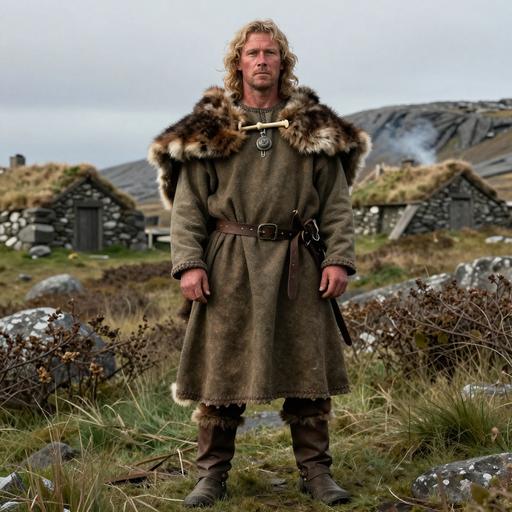
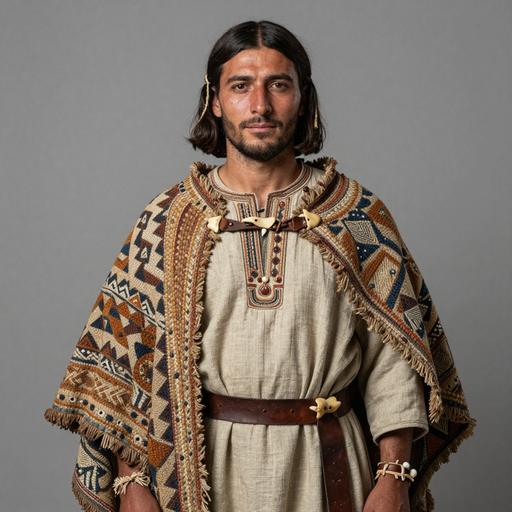
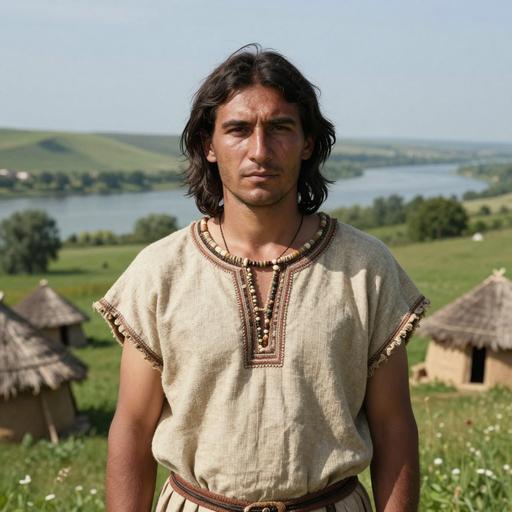
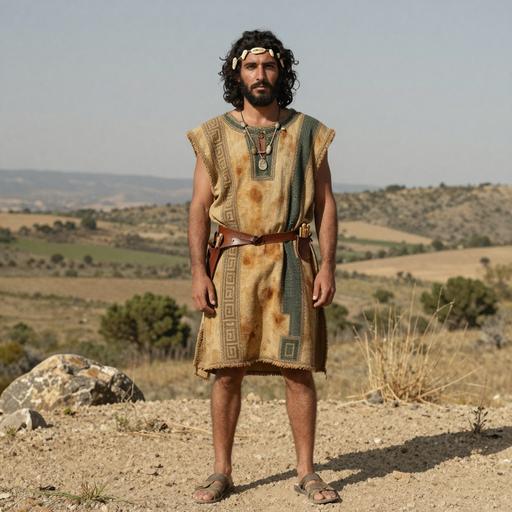
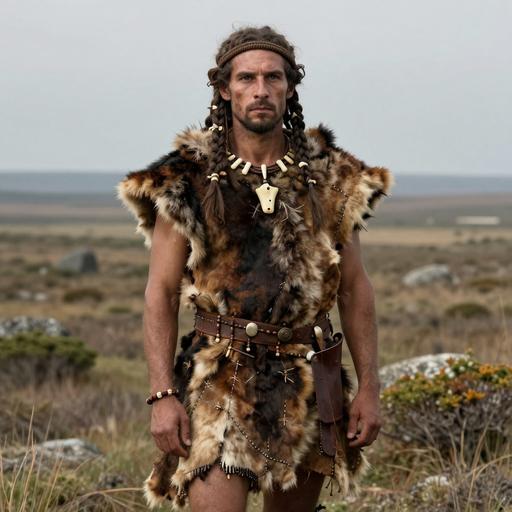
Porträts sind KI-generierte Illustrationen. Probenbezeichnungen und Zugangs-IDs identifizieren die Referenzdatensätze.

Porträt Probe Land Epoche Datum Kultur Y-DNA Übereinstimmung
KI-generiertes illustratives Porträt von Norse individual, Eastern Settlement. 029a, Greenland (900-1,200 CE)
Proben-ID: VK180
Greenland Greenland EarlyNorse 900 CE - 1200 CE Norse Greenland IJ Direkt
KI-generiertes illustratives Porträt von Nazarlebi LBA individual, Nazarlebi (Eastern Georgia, Kakheti, Shiraki Plain), Georgia (1,500-1,000 BCE)
Proben-ID: gur016
Georgia Georgia Nazarlebi LBA 1500-1000 BCE Nazarlebi IJ Direkt
KI-generiertes illustratives Porträt von LN individual, Strøby Ladeplads (Zealand region), Denmark (1,931-1,744 BCE)
Proben-ID: NEO93
Denmark Late Neolithic Denmark 1931-1744 calBCE (3512±33 BP, UBA-37879) Danish Late Neolithic IJ Direkt
KI-generiertes illustratives Porträt von N TRB individual, Toftum Mose (Jutland region), Denmark (2,437-2,065 BCE)
Proben-ID: NEO875
Denmark Funnel Beaker Culture to Corded Ware Culture Transition 2437-2065 calBCE (3803±36 BP, UBA-37906) TRB-CWC Transition IJ Direkt
KI-generiertes illustratives Porträt von N Mariupol individual, Mamai-Gora (Zaporizhia Oblast, Vasylivka District, Kamianka-Dniprovska municipality), Ukraine (5,766-5,633 BCE)
Proben-ID: NEO270
Ukraine Dnieper-Mariupol Culture 5766-5633 calBCE (6823±34 BP, UBA-40021) Dnieper-Mariupol IJ Direkt
KI-generiertes illustratives Porträt von America North Ancient individual, Lucier. Southwestern Ontario, Canada (1,223-1,384 CE)
Proben-ID: CK-03
Canada The First Peoples of North America 1223 CE - 1384 CE IJK-L15 Subklade
KI-generiertes illustratives Porträt von Paleo-Arctic Tradition individual, Lucier. Southwestern Ontario, Canada (1,223-1,384 CE)
Proben-ID: CK-03
Canada Arctic Small Tool Tradition, Canada 1223 CE - 1384 CE Arctic Small Tool IJK-L15 Subklade
KI-generiertes illustratives Porträt von Iberian Chalcolithic individual, Murcia. Caravaca. Camino del Molino, Spain (3,000-2,100 BCE)
Proben-ID: I0457
Spain Spain C 3000-2100 BCE Los Millares IJ-P124 Subklade
KI-generiertes illustratives Porträt von Czechia Gravettian individual, Dolni Vestonice, Czech Republic (28,500-27,200 BCE)
Proben-ID: Vestonice43
Czech Republic Vestonice 43 Site, Czech Republic 28500-27200 BCE Pavlovian Culture IJ-P124 Subklade
PATERNAL LINEAGE · ANCIENT DNA

Ancient lineage evidence map

Follow parent clades toward this branch and explore where ancient carriers were found.

Loading ancient observations…

Markers are archaeological find locations. A dashed connector is an uncertain, proposed geographic transition between consecutive branches supported by multiple dated observations; it is not an exact travel route, birthplace or proof of direct descent. Parent-clade samples may belong to other descendant branches. Gaps remain where evidence is insufficient. Sample dates differ from haplogroup formation dates.

Referenzprofil

Trägerverteilungskarte

Geografische Verteilung von 9 antiken DNA-Proben (direkte und Subkladen-Träger von IJ)

Direkter Träger Subkladen-Träger
Zeitraumfilter
Alle Zeiträume
Alle Proben werden angezeigt
Referenzprofil

Zeitliche Verteilung

Verteilung der Träger über archäologische Epochen

Referenzprofil

Geografische Verteilung

Anzahlen nach erfasstem Probenland. Sie spiegeln die verfügbare Referenzauswahl wider, nicht Bevölkerungshäufigkeiten.

Referenzprofil

Verteilung Land × Epoche

Vergleichen Sie erfasste Probenanzahlen nach Ländern und archäologischen Epochen. Wählen Sie eine belegte Zelle, um eine Probe anzusehen.

Daten

Daten und Herkunft

Quellenangaben und Datenqualität

Zuletzt aktualisiert 2026-06-17
Konfidenzwert 50/100
Abdeckung Low

Datenquelle

Klassifikation, geschätzte Daten und geografischer Kontext spiegeln die erfassten Referenzdaten wider und können sich bei überarbeiteten Belegen ändern. Die Probenabdeckung ist ungleichmäßig; erfasste Orte und archäologische Zuordnungen begründen weder persönliche Herkunft noch kulturelle Identität.