Saltar al contenido principal
mtDNA · Materno linaje

A2C

mtDNA Haplogroup A2C

Un perfil de referencia de una rama de linaje. Compartir haplogrupos no demuestra una relación familiar ni una identidad cultural.

Perfil de referencia

Contexto de la rama

Contexto histórico de la rama de linaje mtDNA A2C

Origins and Evolution

A2C is a downstream branch of mtDNA haplogroup A2, one of the principal maternal founder lineages of the Americas. A2 itself derives from East Asian/Northeast Asian haplogroup A and is thought to have diversified in Beringia or adjacent regions during the Late Pleistocene. A2C represents a later split within the A2 radiation, probably originating in the early Holocene (roughly around 11 kya) as populations that had crossed into the Americas dispersed and became regionally differentiated.

Genetic evidence and the phylogenetic position of A2C indicate it arose after the initial peopling pulses that established the broad set of Native American haplogroups (A2, B2, C1, D1, X2a). The timeline and branching pattern are consistent with a scenario in which A2 diversified into multiple subclades during the Late Pleistocene–Early Holocene transition as migrating groups spread southward and became locally isolated.

Subclades

A2C itself may contain internal variation (sub-lineages defined by additional private mutations), but compared with major American haplogroups it is a relatively specific branch with limited high-frequency subclades reported in the literature. When studied in sample sets, A2C lineages often show local, population-specific variants consistent with in-situ diversification after initial arrival in particular regions of the Americas.

Geographical Distribution

A2C is predominantly a New World lineage. Its reported occurrences concentrate in:

  • South America, especially among populations in the Andean and coastal regions and some lowland (Amazonian) groups, where it reaches its highest relative prevalence in particular localities.
  • Central America and parts of Mesoamerica, where it appears at moderate frequencies in some indigenous groups.
  • Northern North America and Arctic/sub-Arctic populations at low frequencies or absent in most northern groups (A2 in general is present in the north, but A2C specifically is less common there).

Outside the Americas, A2C is generally rare or absent; when A2-like lineages appear in Siberia or northeastern Asia they more often represent other A2 branches or ancestral variation rather than the A2C-specific motif. Modern admixed populations across Latin America may carry A2C through indigenous maternal ancestry.

Historical and Cultural Significance

A2C is useful in population genetics and genetic genealogy for tracing maternal line continuity and microevolutionary events within the Americas. The presence of A2C in archaeological and modern contexts helps reconstruct post-glacial southward migration routes and the pattern of regional differentiation during the Early to Middle Holocene. In regions where A2C is concentrated, its local diversity can reflect long-term occupation and continuity of maternal lineages through pre-contact cultural transitions (for example, from Paleoindian/Archaic occupations into later formative and complex societies).

Because A2C is one of several A2 subclades, it also illustrates how a small number of maternal founders diversified into numerous regionally distinctive lineages, contributing to the mtDNA structure seen among contemporary Indigenous American populations.

Conclusion

mtDNA haplogroup A2C is a descendant branch of the primary Native American founding lineage A2 that likely arose in North America or nearby Beringian areas in the early Holocene. Today it is most characteristic of parts of Central and South America, where its distribution and internal diversity provide insights into early post-glacial dispersals, regional isolation, and the deep maternal ancestry of Indigenous American peoples.

Puntos clave

  • Origins and Evolution
  • Subclades
  • Geographical Distribution
  • Historical and Cultural Significance
  • Conclusion
Perfil de referencia

Árbol y relaciones

Contexto filogenético y subclados

Trayectoria evolutiva

Sigue las ramas superiores registradas hasta A2C. Las fechas son estimaciones y pueden cambiar al revisarse los datos de referencia.

Pasos Haplogrupo Antigüedad estimada Época arqueológica Tiempo transcurrido Subclados inmediatos Portadores modernos analizados Referencias antiguas
1 A2C Actual ~11,000 years ago Neolithic 11,000 years 0 3 42
2 A2A ~12,000 years ago Neolithic 12,000 years 26 332 58
3 A2 ~16,000 years ago Mesolithic 16,000 years 8 895 14
4 AA1 - - - 14 942 0
5 AA - - - 4 947 0
6 A ~30,000 years ago Paleolithic 30,000 years 4 997 192
7 N ~60,000 years ago Paleolithic 60,000 years 16 26,150 13
8 L3 ~70,000 years ago Paleolithic 70,000 years 7 30,162 6
9 L3'4 - - - 2 30,212 0
10 L3'4'6 - - - 2 30,216 0
11 L2'3'4'6 - - - 2 31,333 0
12 L2'3'4'5'6'7 - - - 2 31,349 0
13 L1'2'3'4'5'6'7 - - - 2 31,852 0
14 L ~160,000 years ago Paleolithic 160,000 years 2 32,236 5

Subclados (0)

Rama terminal: no hay subclados registrados

Perfil de referencia

En el mundo

Distribución geográfica y presencia moderna

Origen registrado

Beringia / Northwest North America

Distribución moderna

The populations where mtDNA haplogroup A2 haplogroup A2C is found include:

  1. Indigenous South American groups (Andean, coastal, and some Amazonian populations)
  2. Indigenous Central American and Mesoamerican populations
  3. Selected Northern North American groups at low frequency
  4. Modern admixed populations in Latin America through indigenous maternal ancestry
  5. Rare/very low-frequency occurrences or ancestral A2 relatives in northeastern Siberian/Arctic groups (context-dependent)
Contexto histórico

Una rama a través del tiempo

Formación estimada en una cronología histórica amplia. Los marcadores temporales aportan contexto y no implican relación con culturas concretas.

  1. ~11k años de antigüedad

    Haplogrupo A2C

    Formación estimada de esta rama de mtDNA; las fechas y ubicaciones son estimaciones de referencia.

    Esta rama
  2. ~10k años de antigüedad

    Revolución neolítica

    Inicio de la agricultura y formación de comunidades sedentarias

  3. ~5k años de antigüedad

    Edad del Bronce

    Metalurgia, escritura y primeras civilizaciones

  4. ~3k años de antigüedad

    Edad del Hierro

    Herramientas de hierro y ampliación de redes comerciales

  5. ~2.5k años de antigüedad

    Antigüedad clásica

    Desarrollo de las civilizaciones griega y romana

  6. Actualidad

    Actualidad

    Época moderna

Perfil de referencia

Contexto arqueológico

Asociaciones arqueológicas registradas para la rama mtDNA A2C

Asociaciones registradas

Estas etiquetas describen contextos arqueológicos registrados para las muestras de referencia enlazadas a A2C. Una asociación no demuestra que todos los portadores pertenecieran a una cultura ni siguieran una ruta migratoria concreta.

Island Chumash
Las atribuciones culturales se basan en el contexto arqueológico de las muestras de ADN antiguo y pueden representar asociaciones regionales de periodos concretos.
Perfil de referencia

Catálogo de muestras

42 portadores directos del haplogrupo A2C

10 mostradas · 42 muestras coincidentes

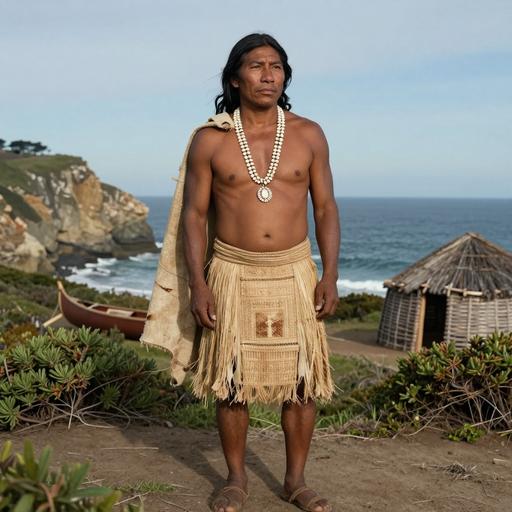
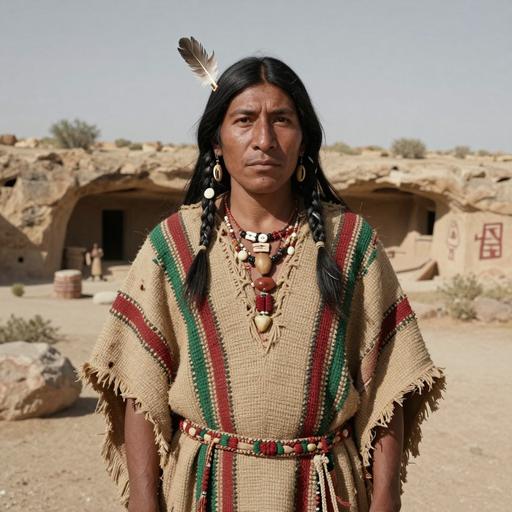
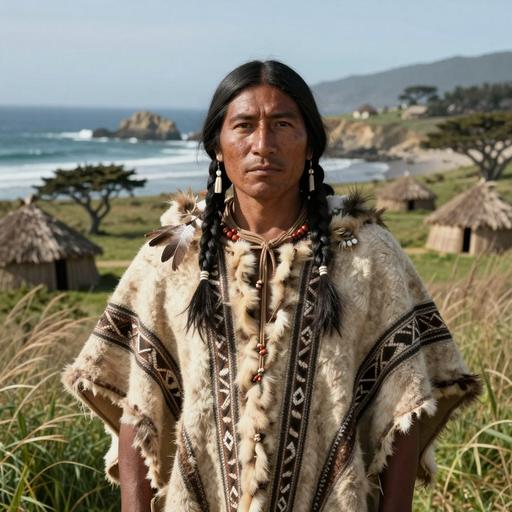
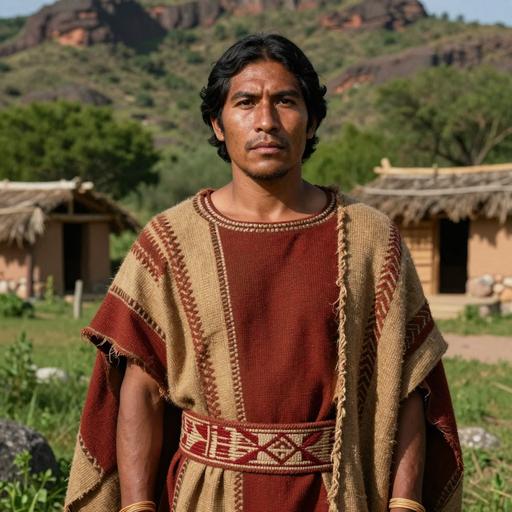
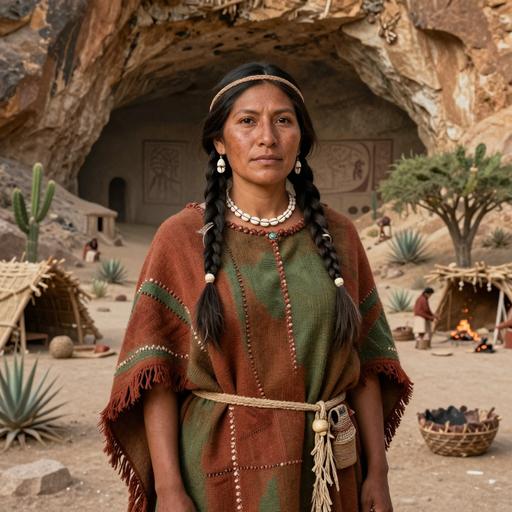
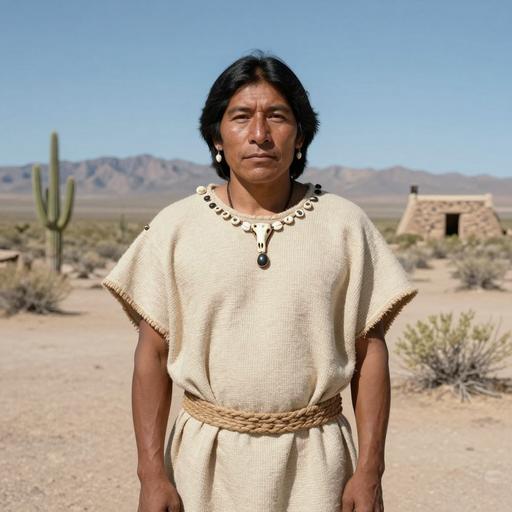
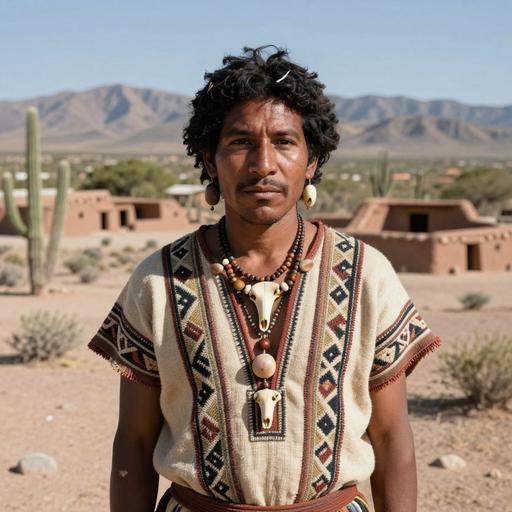
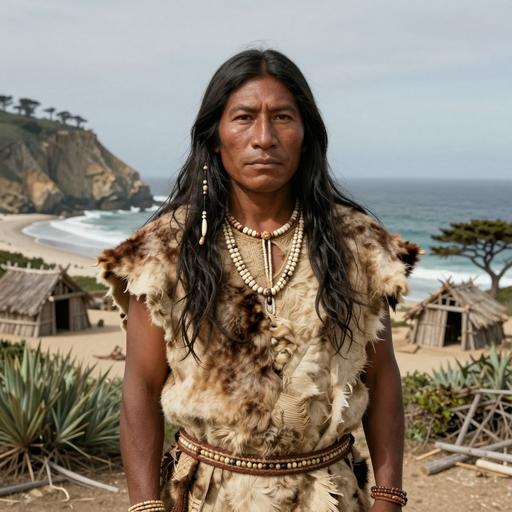
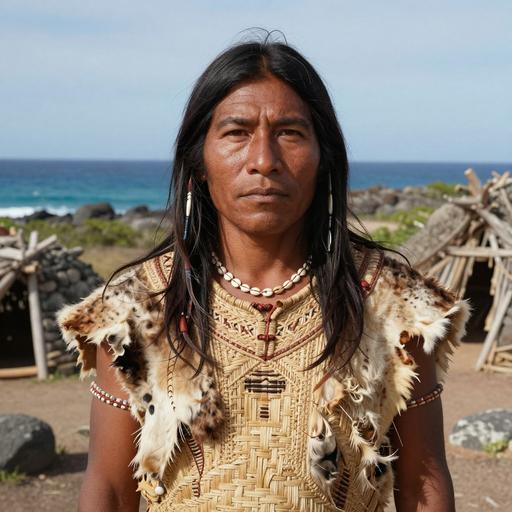
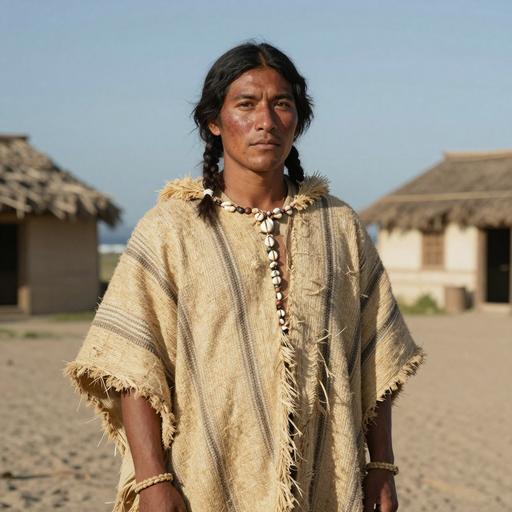
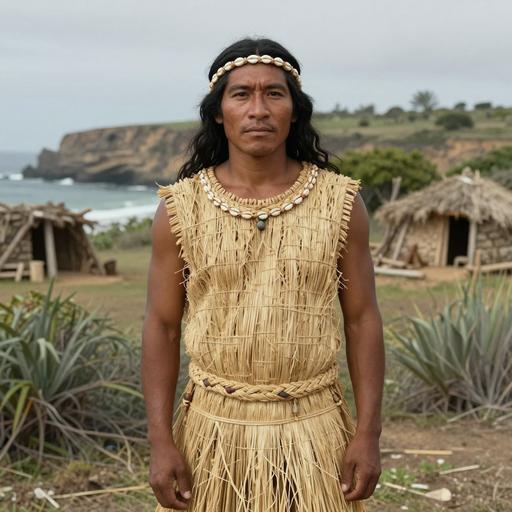
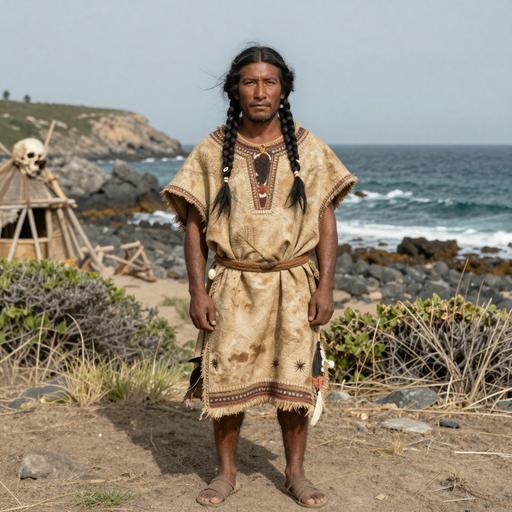
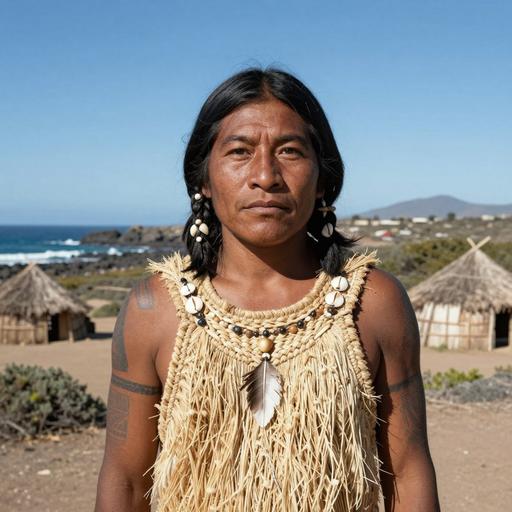
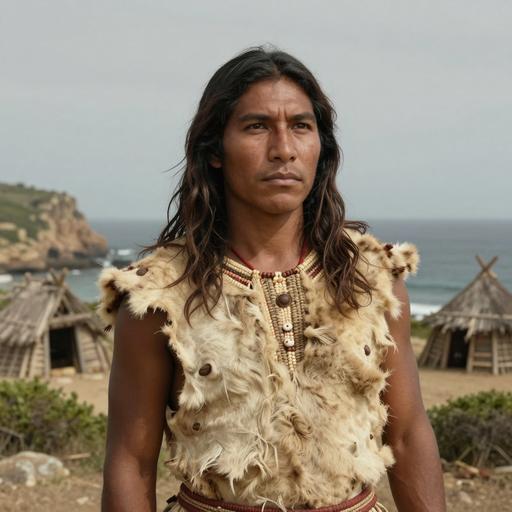
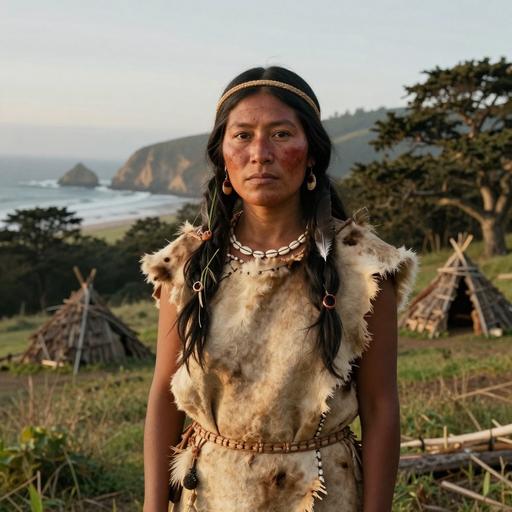
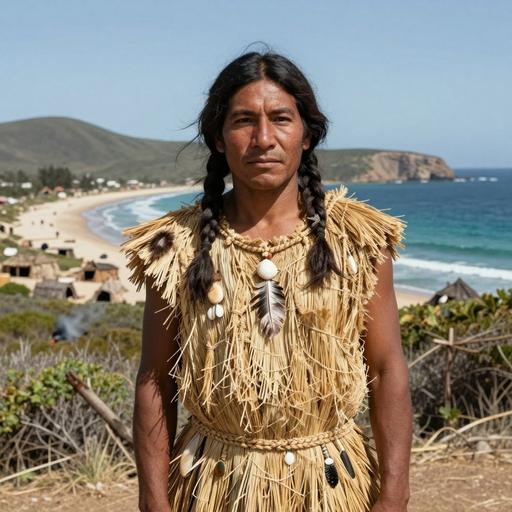
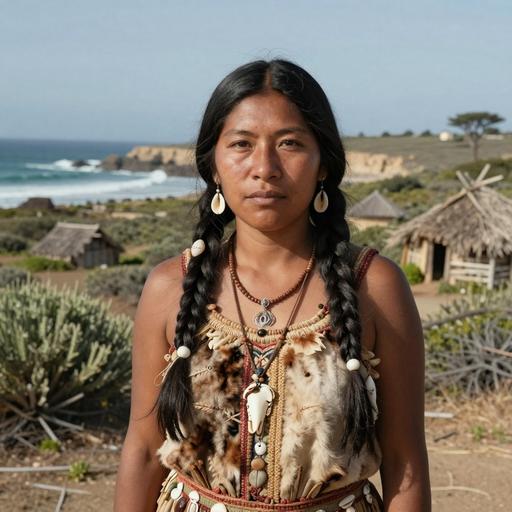
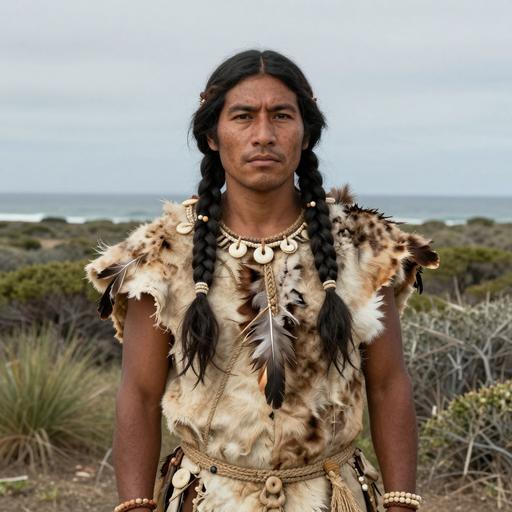
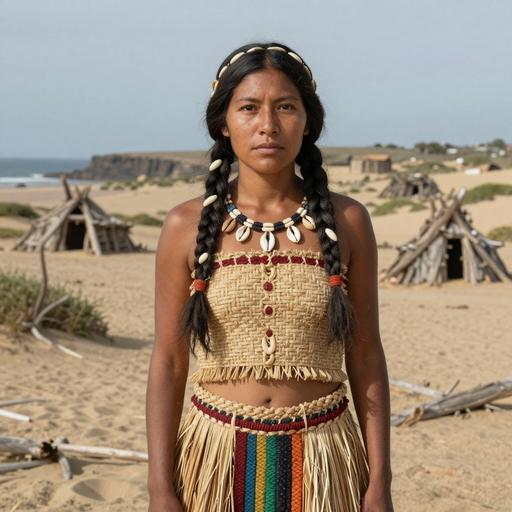
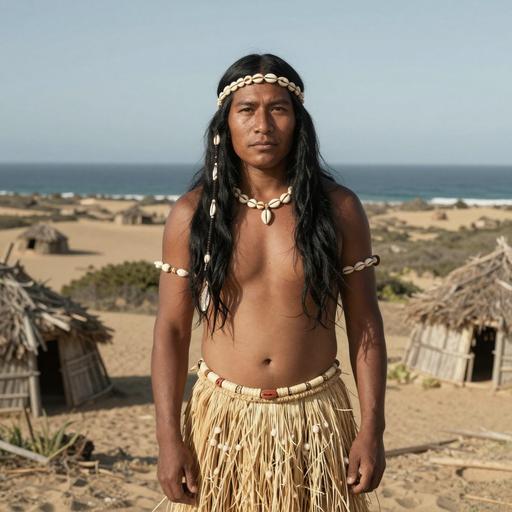
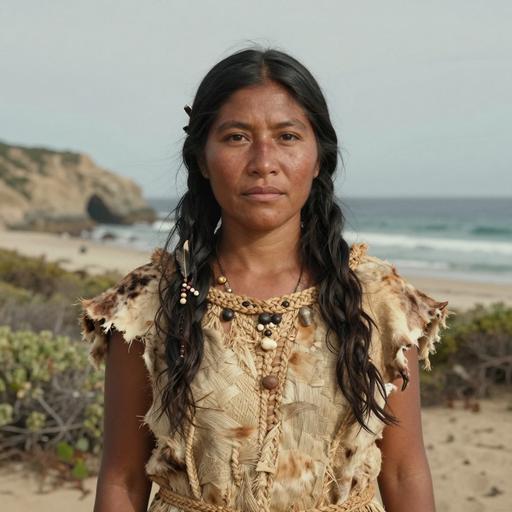
Los retratos son ilustraciones generadas con IA. Las etiquetas de muestra y los identificadores de acceso identifican los registros de referencia.

Retrato Muestra País Época Fecha Cultura mtDNA Coincidencia
Retrato ilustrativo de Native American individual, Point Sal. CA, USA (100-700 CE) generado con IA
Identificador de muestra: PS-09
USA Chumash Culture, California, USA 100 CE - 700 CE Chumash A2c Direct
Retrato ilustrativo de Native American individual, Point Sal. CA, USA (100-700 CE) generado con IA
Identificador de muestra: PS-34
USA Chumash Culture, California, USA 100 CE - 700 CE Chumash A2c Direct
Retrato ilustrativo de Mogollon individual, Cueva DeLos Muertos Chiquitos (Rio Zape), Mexico (100-1,400 CE) generado con IA
Identificador de muestra: I11983
Mexico Cueva de los Muertos Chiquitos 100-1400 CE Loma San Gabriel A2c Direct
Retrato ilustrativo de America North Ancient individual, Point Sal. CA, USA (100-700 CE) generado con IA
Identificador de muestra: PS-09
USA The First Peoples of North America 100 CE - 700 CE A2c Direct
Retrato ilustrativo de America North Ancient individual, Point Sal. CA, USA (100-700 CE) generado con IA
Identificador de muestra: PS-34
USA The First Peoples of North America 100 CE - 700 CE A2c Direct
Retrato ilustrativo de Native American individual, Point Sal. CA, USA (416-575 CE) generado con IA
Identificador de muestra: PS-03
USA Chumash Culture, California, USA 416 CE - 575 CE Chumash A2c Direct
Retrato ilustrativo de America North Ancient individual, Point Sal. CA, USA (416-575 CE) generado con IA
Identificador de muestra: PS-03
USA The First Peoples of North America 416 CE - 575 CE A2c Direct
Retrato ilustrativo de Tayopa individual, Tayopa (Sonora, Sahuaripa), Mexico (500-1,400 CE) generado con IA
Identificador de muestra: I8235
Mexico Mexico Tayopa 1000BP 500-1400 CE Tayopa A2c Direct
Retrato ilustrativo de Mogollon individual, Cueva DeLos Muertos Chiquitos (Rio Zape), Mexico (706-881 CE) generado con IA
Identificador de muestra: I11985
Mexico Cueva de los Muertos Chiquitos 706-881 calCE (1225±20 BP, PSUAMS-5770) Loma San Gabriel A2c Direct
Retrato ilustrativo de Tradicion Trincheras individual, La Playa (Sonora), Mexico (906-811 BCE) generado con IA
Identificador de muestra: I23705
Mexico Trincheras Culture La Playa 2800 Before Present 906-811 calBCE (2715±25 BP, PSUAMS-12672) Trincheras A2c Direct
MATERNAL LINAJE · ADN ANTIGUO

Mapa de pruebas de linajes antiguos

Sigue los clados superiores hasta esta rama y explora dónde se encontraron portadores antiguos.

Cargando observaciones antiguas...

Los marcadores son ubicaciones de hallazgos arqueológicos. Una línea discontinua representa una transición geográfica propuesta e incierta entre ramas consecutivas, apoyada en varias observaciones fechadas; no es una ruta de viaje exacta, un lugar de nacimiento ni una prueba de descendencia directa. Las muestras del clado parental pueden pertenecer a otras ramas descendientes. Se mantienen huecos cuando las pruebas son insuficientes. Las fechas de las muestras son distintas de las fechas de formación de los haplogrupos.

Perfil de referencia

Mapa de distribución de portadores

Distribución geográfica de muestras de ADN antiguo (42), portadores directos o de subclados de A2C

Portador directo
Filtro de periodo temporal
Todos los periodos
Mostrando todas las muestras
Perfil de referencia

Distribución temporal

Distribución de portadores por periodos arqueológicos

Perfil de referencia

Distribución geográfica

Recuentos por país registrado de las muestras. Reflejan la selección de referencia disponible, no frecuencias de población.

Perfil de referencia

Distribución por país y época

Compara los recuentos de muestras registradas por países y periodos arqueológicos. Selecciona una celda con datos para examinar una muestra.

Datos

Datos y procedencia

Información sobre las fuentes y la calidad de los datos

Última actualización 2026-02-16
Puntuación de confianza 50/100
Cobertura Low

Fuente de datos

La clasificación, las fechas estimadas y el contexto geográfico reflejan los datos de referencia registrados y pueden cambiar al revisarse las pruebas. La cobertura de muestras es desigual; las ubicaciones registradas y las asociaciones arqueológicas no establecen el origen personal ni la identidad cultural.