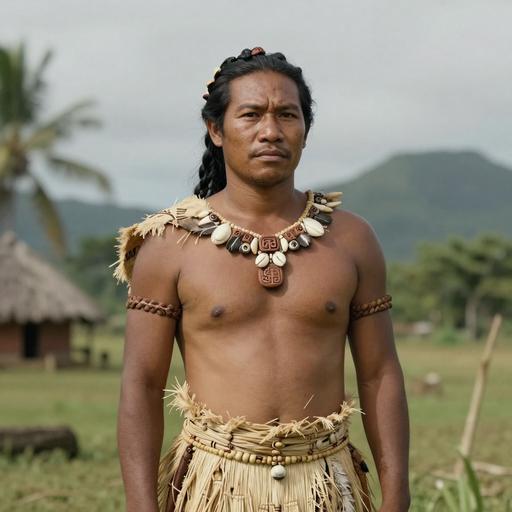
Un perfil de referencia de una rama de linaje. Compartir haplogrupos no demuestra una relación familiar ni una identidad cultural.
Perfil de referencia
Contexto de la rama
Contexto histórico de la rama de linaje mtDNA B4A1
Origins and Evolution
mtDNA haplogroup B4A1 is a downstream branch of B4A, itself a daughter of the broader B4 lineage that originated in East/Southeast Asia. Based on the phylogenetic position of B4A1 relative to other B4A subclades and coalescence estimates for related lineages, B4A1 most likely arose in the early Holocene (roughly around 12 kya, with uncertainty spanning several thousand years). This timing places its origin after the Last Glacial Maximum and during a period of increasing coastal foraging, population density increases, and the beginnings of maritime adaptations in parts of coastal East and Southeast Asia.
Genetically, B4A1 carries defining control-region and coding-region mutations that place it clearly within the B4A clade and distinguish it from sister lineages. Its downstream diversity includes sublineages that later became important markers of Holocene coastal and island expansions.
Subclades
B4A1 is an intermediate node that gave rise to multiple daughter clades. Some of these downstream branches (for example B4A1a and further derivatives) contributed to the well-known Polynesian-associated lineages (the so-called "Polynesian motif" falling in the B4a1a1 group through additional branching). The internal branching structure shows patterns consistent with serial founder events: relatively deep coalescence dates in mainland and Taiwanese populations, followed by radiations and reduced diversity in island populations that were colonized during later maritime dispersals.
Geographical Distribution
B4A1 is concentrated in populations of Island Southeast Asia, Taiwan, and Pacific island groups, with lower-frequency occurrences in mainland East Asian populations. Highest frequencies and haplotype diversity are typically observed among Austronesian-speaking groups in coastal and island settings, and among indigenous Taiwanese groups which serve as a genetic reservoir and geographic node for diversification. In Melanesia and Polynesia, B4A1-derived motifs appear as part of the maternal ancestry introduced by Austronesian voyagers and are found at varying frequencies depending on admixture with preexisting Papuan lineages.
Historical and Cultural Significance
B4A1 and its daughters are strongly associated with the Austronesian expansion, a major maritime dispersal that began approximately 4–5 kya from Taiwan and adjacent parts of coastal China into Island Southeast Asia and across into Remote Oceania. Ancient DNA and modern population genetics show that maternal markers from the B4 family—particularly B4A-derived motifs—traveled with archaeological complexes and linguistic expansions linked to seafaring, agriculture (taro, yam, breadfruit, and in some areas rice), and the spread of pottery traditions such as Lapita in Near Oceania. The distribution of B4A1 therefore documents aspects of prehistoric mobility, female-mediated gene flow, and founder effects associated with island colonization.
Conclusion
B4A1 is an important Holocene maternal lineage that bridges earlier East/Southeast Asian ancestry and the later maritime expansions that shaped the peopling of Island Southeast Asia and the Pacific. Its phylogeographic pattern—higher diversity in Taiwan and parts of coastal SE Asia, with derived but widespread lineages on islands—fits a model of origin on the Asian margins followed by serial founder events during Austronesian dispersals. Continued sampling, especially from underrepresented island and ancient contexts, refines the timing and routes of movement recorded by B4A1 and its descendants.
Puntos clave
Origins and Evolution
Subclades
Geographical Distribution
Historical and Cultural Significance
Conclusion
Perfil de referencia
Árbol y relaciones
Contexto filogenético y subclados
Trayectoria evolutiva
Sigue las ramas superiores registradas hasta B4A1. Las fechas son estimaciones y pueden cambiar al revisarse los datos de referencia.
Parts of Island Melanesia (in communities with Austronesian admixture)
Mainland East Asian populations at low to moderate frequency (Han Chinese, southern Chinese groups)
Coastal Southeast Asian populations (Vietnamese, Malay-adjacent groups)
Modern populations in the Americas where recent East/Southeast Asian admixture introduced B4-derived lineages (low frequency)
Contexto histórico
Una rama a través del tiempo
Formación estimada en una cronología histórica amplia. Los marcadores temporales aportan contexto y no implican relación con culturas concretas.
~12k años de antigüedad
Haplogrupo B4A1
Formación estimada de esta rama de mtDNA; las fechas y ubicaciones son estimaciones de referencia.
Esta rama
~10k años de antigüedad
Revolución neolítica
Inicio de la agricultura y formación de comunidades sedentarias
~5k años de antigüedad
Edad del Bronce
Metalurgia, escritura y primeras civilizaciones
~3k años de antigüedad
Edad del Hierro
Herramientas de hierro y ampliación de redes comerciales
~2.5k años de antigüedad
Antigüedad clásica
Desarrollo de las civilizaciones griega y romana
Actualidad
Actualidad
Época moderna
Perfil de referencia
Contexto arqueológico
Asociaciones arqueológicas registradas para la rama mtDNA B4A1
Asociaciones registradas
Estas etiquetas describen contextos arqueológicos registrados para las muestras de referencia enlazadas a B4A1. Una asociación no demuestra que todos los portadores pertenecieran a una cultura ni siguieran una ruta migratoria concreta.
Chinese PaleolithicDushan CulturePalau_KororQuarry_1500BPPalau_Ngkeklau_1400BPQinchang CultureTaiwanese IronTanjung Pinang CultureTianyuan CultureWuzhuangguoliang Culture
Las atribuciones culturales se basan en el contexto arqueológico de las muestras de ADN antiguo y pueden representar asociaciones regionales de periodos concretos.
Perfil de referencia
Catálogo de muestras
59 portadores de subclados del haplogrupo B4A1 (sin portadores directos en la selección de referencia actual)
10 mostradas · 50 muestras coincidentes
Ninguna muestra coincide con estos filtros. Prueba otra etiqueta, ubicación o periodo.
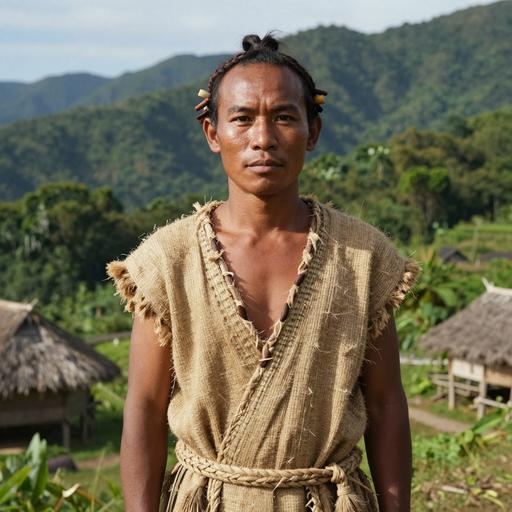
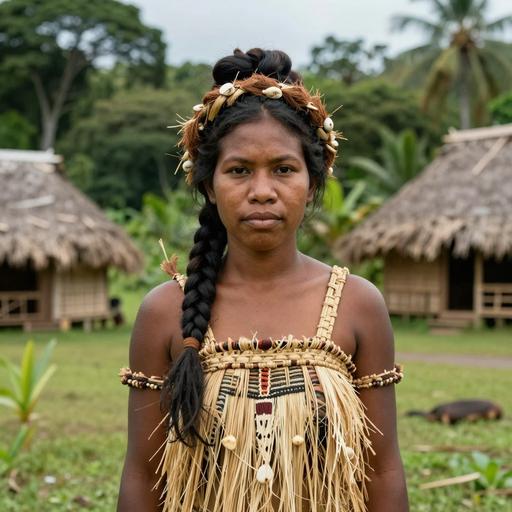
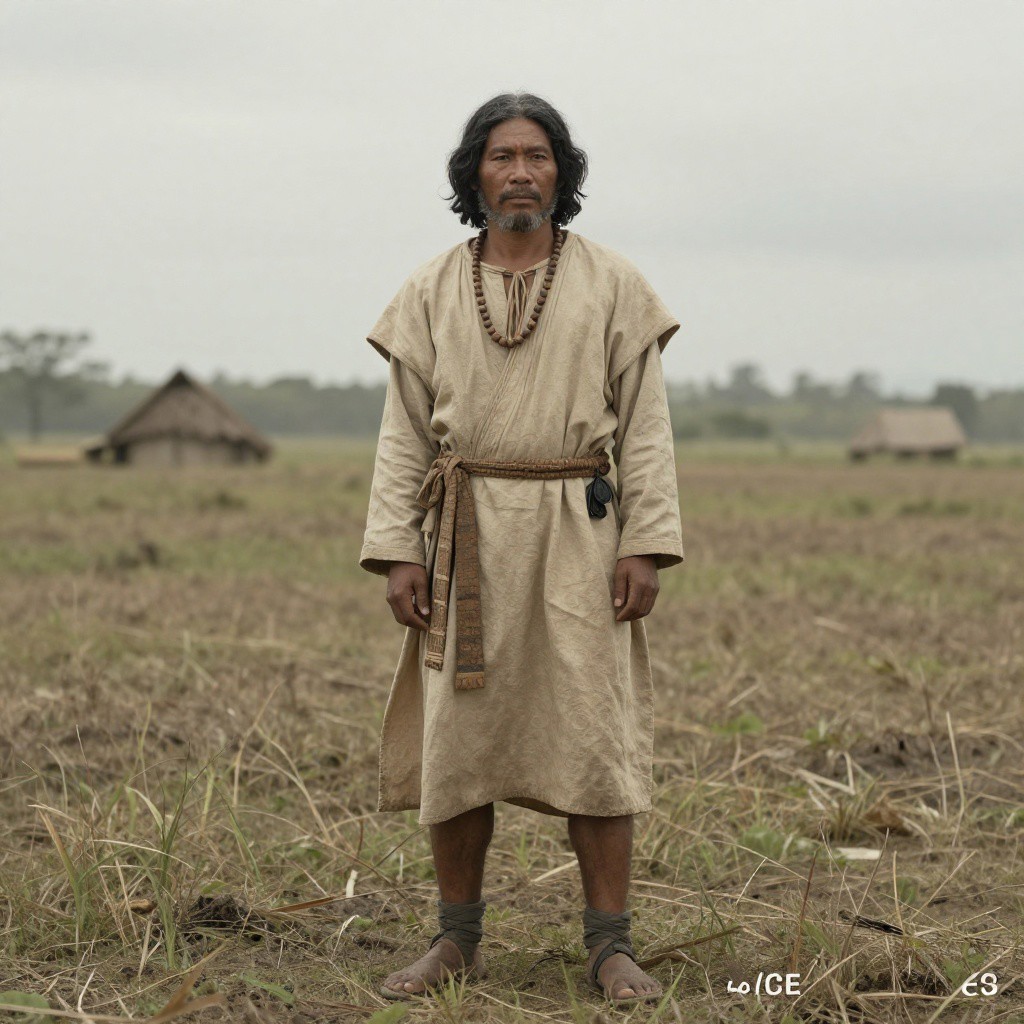
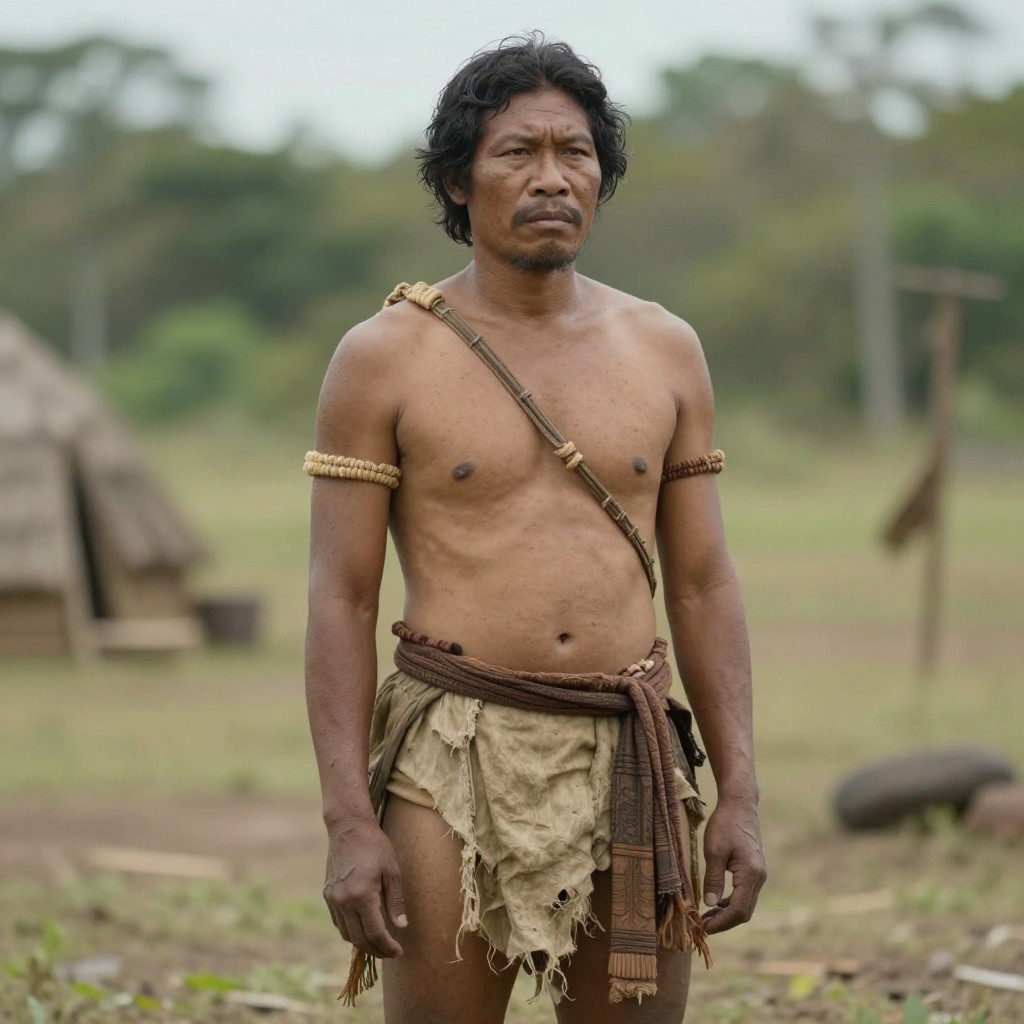
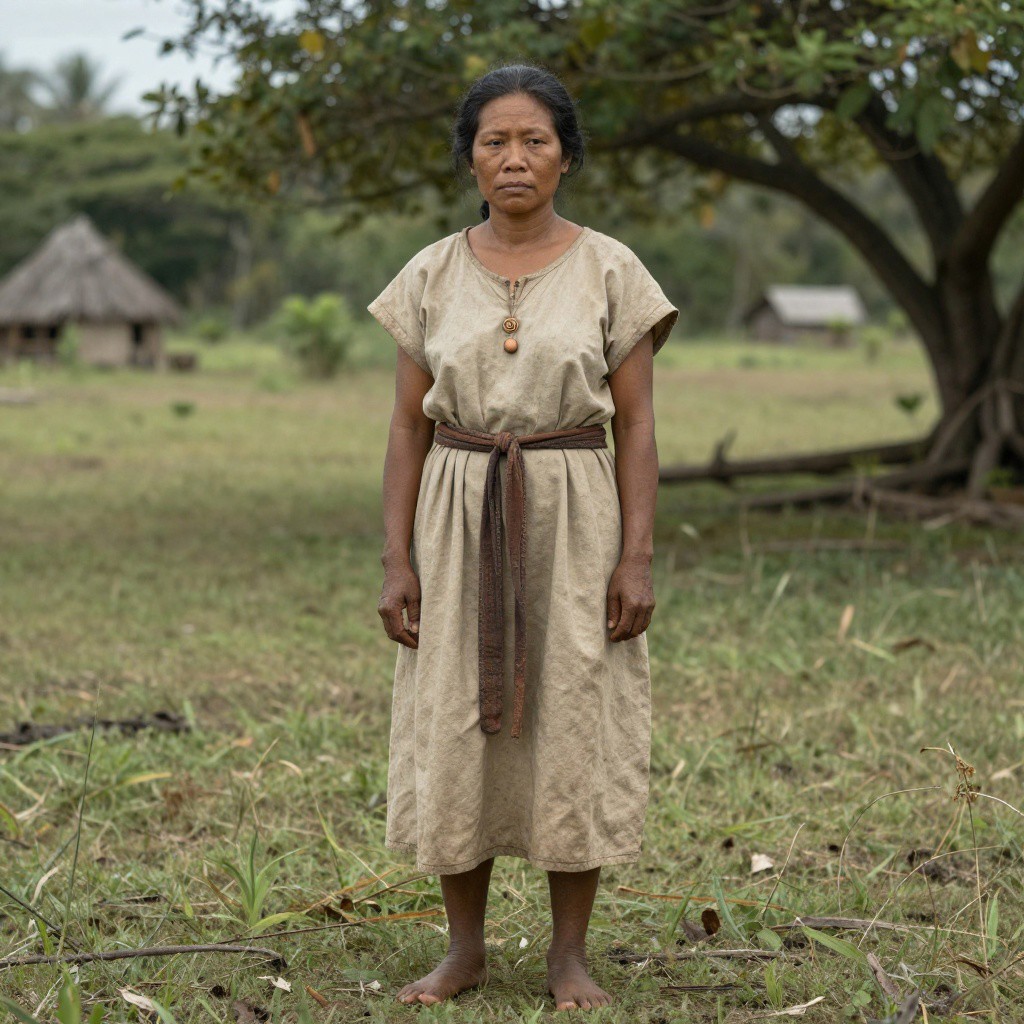
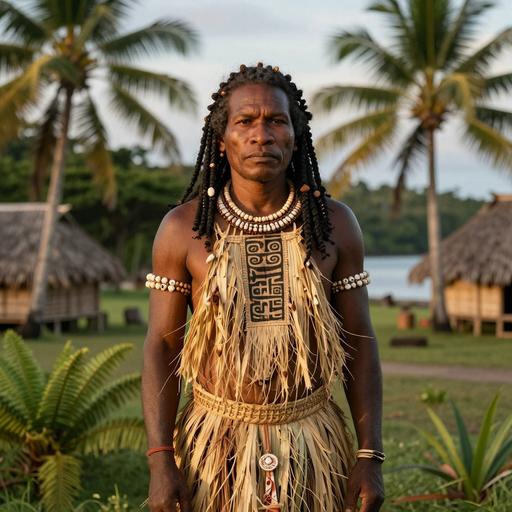
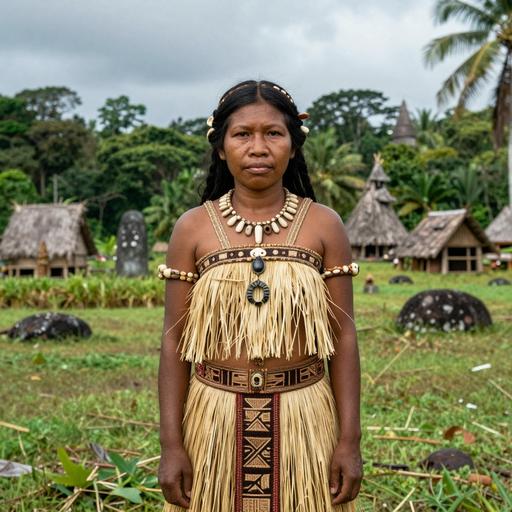
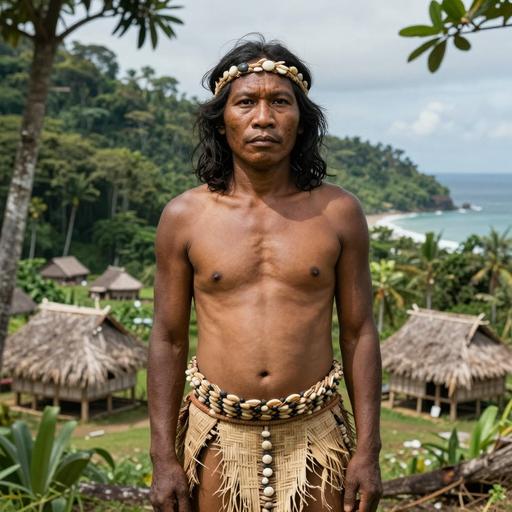
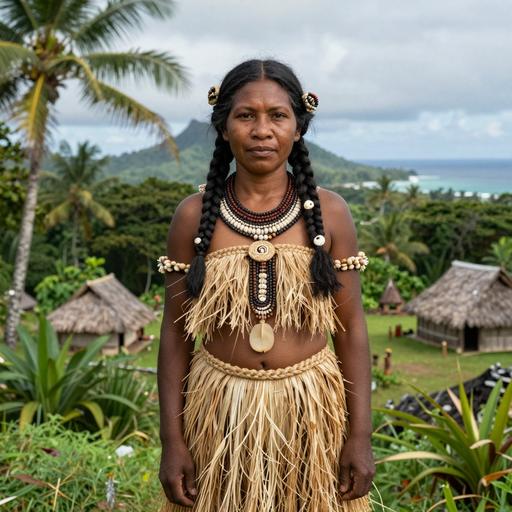
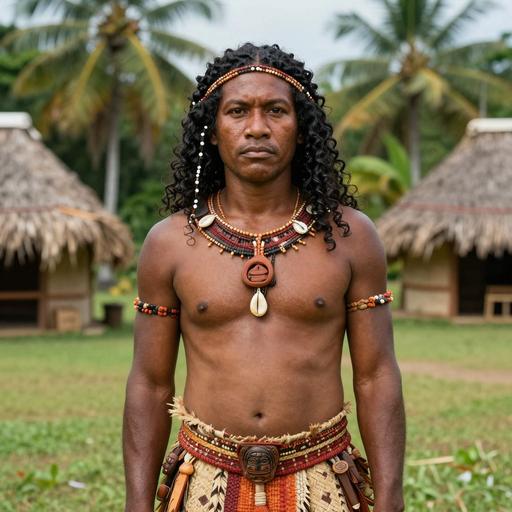
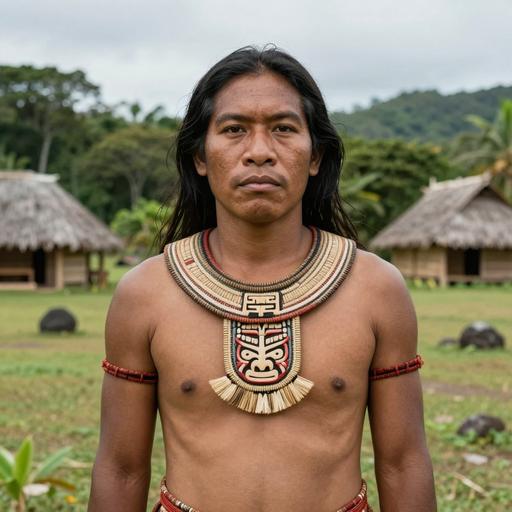
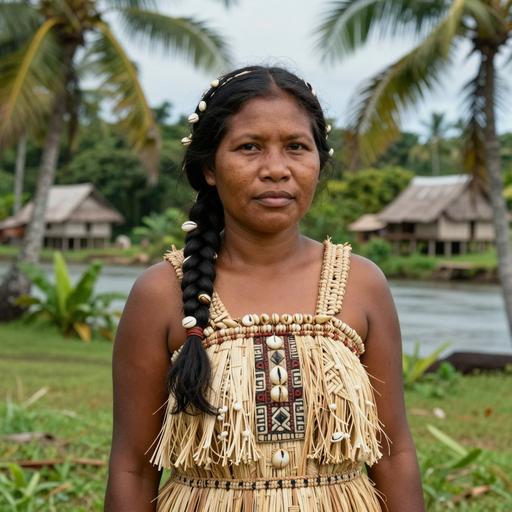
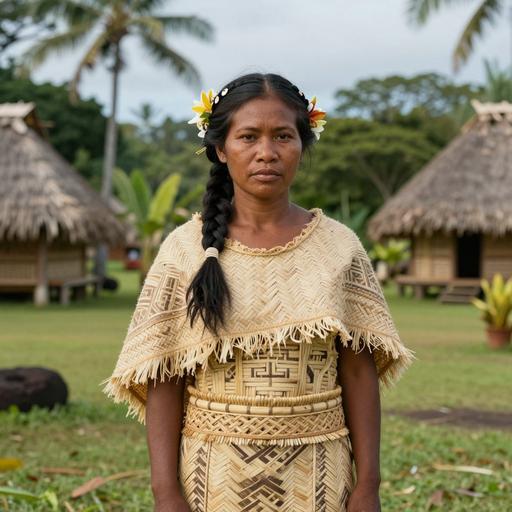
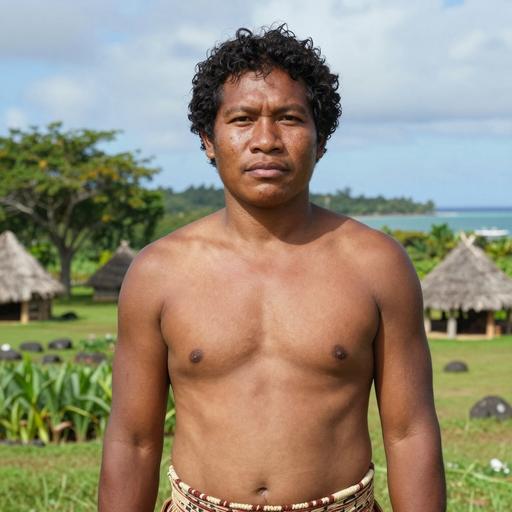
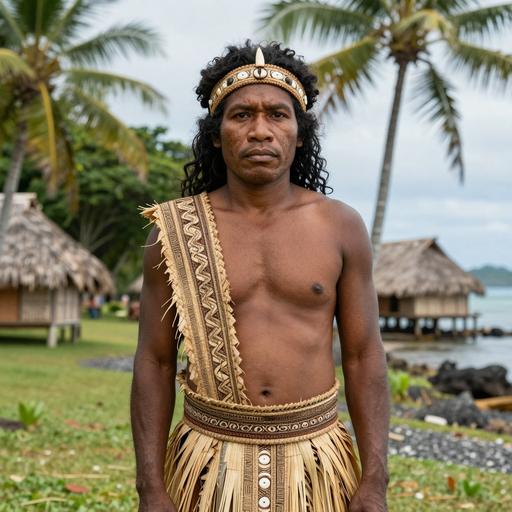
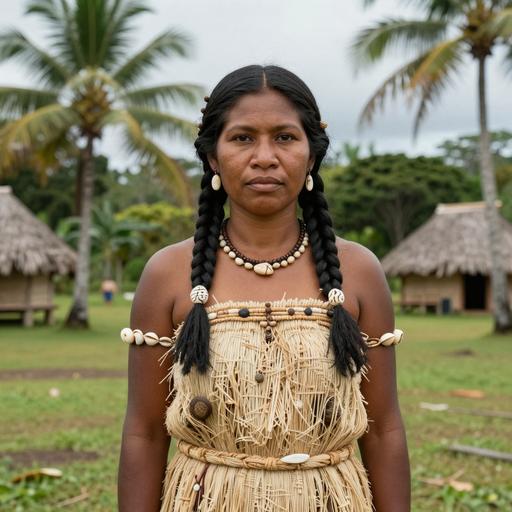
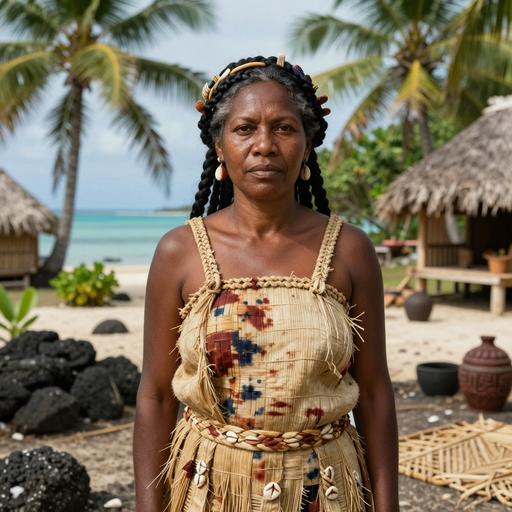
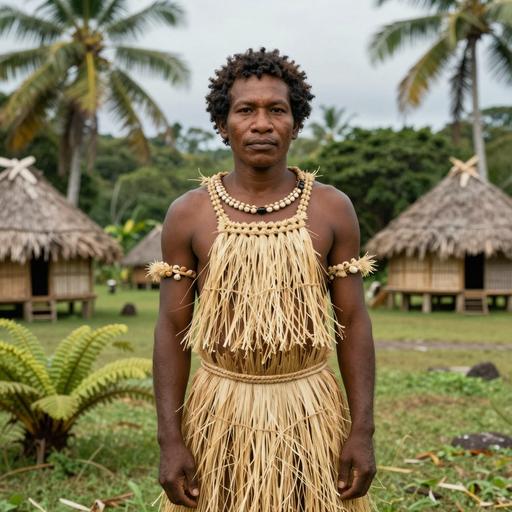
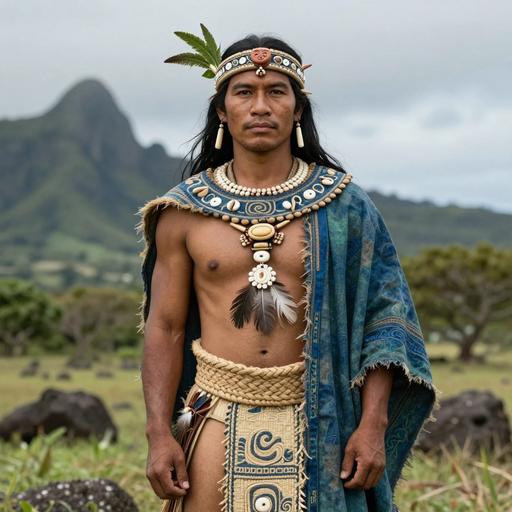
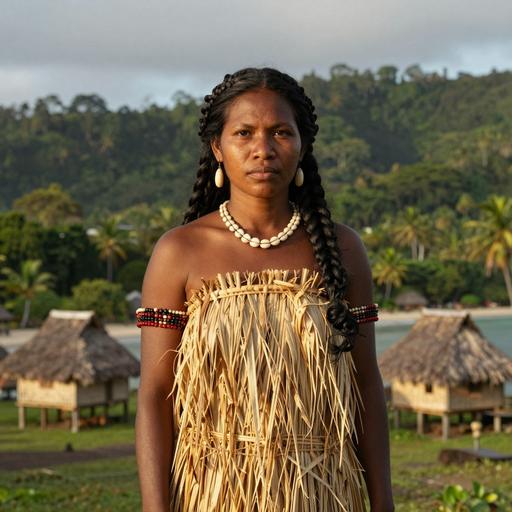
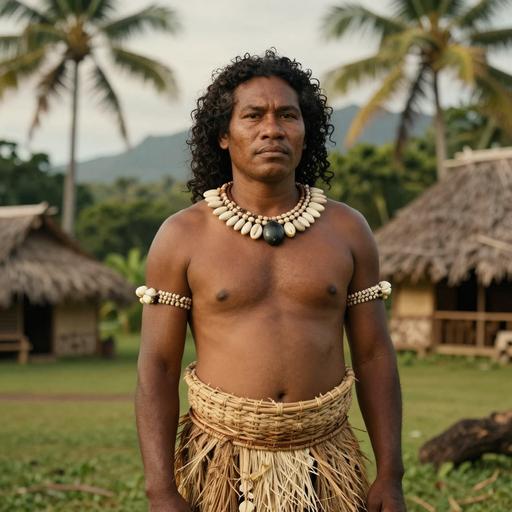
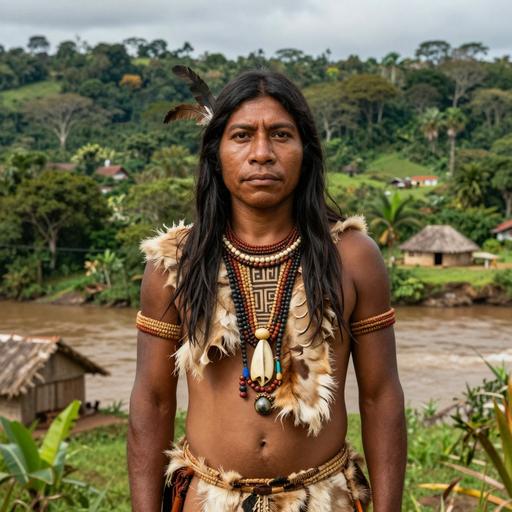
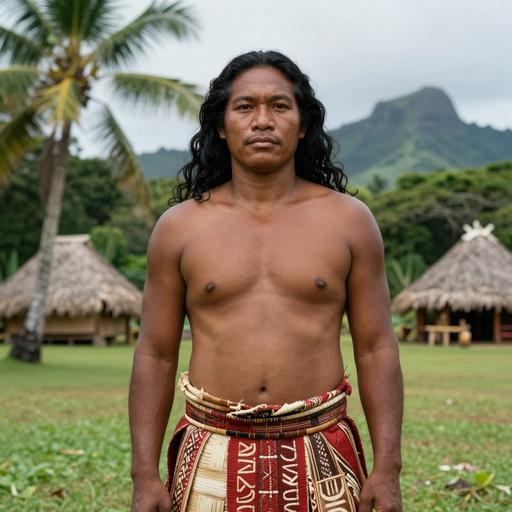
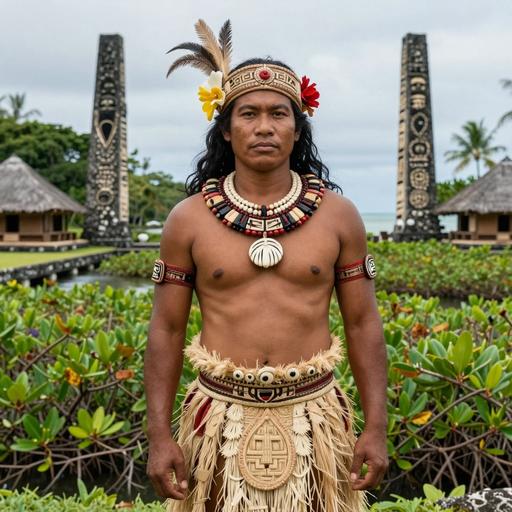
Los retratos son ilustraciones generadas con IA. Las etiquetas de muestra y los identificadores de acceso identifican los registros de referencia.
Vanuatu The First Peoples of Vanuatu 1040 BCE - 800 BCE
B4a1a1Subclado
Identificador de muestra: I1369
Vanuatu 2,900 Years Ago - Vanuatu - Efate. Teouma
Vanuatu Vanuatu 2900BP 1070 BCE - 800 BCE
B4a1a1Subclado
Identificador de muestra: I1369
Vanuatu The First Peoples of Vanuatu 1070 BCE - 800 BCE
B4a1a1Subclado
Identificador de muestra: I1370
Vanuatu 2,900 Years Ago - Vanuatu - Efate. Teouma
Vanuatu Vanuatu 2900BP 1160 BCE - 830 BCE
B4a1a1Subclado
Identificador de muestra: I1370
Vanuatu The First Peoples of Vanuatu 1160 BCE - 830 BCE
B4a1a1Subclado
Identificador de muestra: I5266
Vanuatu 3,000 Years Ago - Vanuatu - Efate. Teouma
Vanuatu Vanuatu 3000BP 1250-750 BCE
B4a1a1cSubclado
Identificador de muestra: KMO001
Komodo Ntodo Leseh Majapahit - Indonesia - East Nusa Tengara. Komodo. Ntodo Leseh
Indonesia Komodo Ntodo Leseh Majapahit 1267-1296 calCE (726±19 BP, MAMS-40602/Otago-590)
B4a1a1Subclado
Identificador de muestra: I24505
Latte Period, Mariana Islands, USA - USA - Northern Mariana Islands. Saipan. Garapan. Best Sunshine Casino site
USA Latte Period, Mariana Islands, USA 1300-1800 CE
B4a1a1Subclado
Identificador de muestra: MAI002
Solomon Islands 500 Years Ago - Solomon Islands - Malaita
Solomon Islands SolomonIslands 500BP 1431 CE - 1617 CE
B4a1a1aSubclado
Identificador de muestra: MAI002
Solomon Islands Ancient Oceania 1431 CE - 1617 CE
B4a1a1aSubclado
Identificador de muestra: I10968
Vanuatu 400 Years Ago - Vanuatu - Retoka
Vanuatu Vanuatu 400BP 1450-1650 CE
B4a1a1cSubclado
Identificador de muestra: Botocudo15
Botocudo People, Brazil - Brazil - Rio Doce Valley
Brazil Botocudo People, Brazil 1450-1850 CE
B4a1a1aSubclado
Identificador de muestra: TAP003
French Polynesia 400 Years Ago - French Polynesia - French Polynesia. Ra'iatea
French Polynesia FrenchPolynesia 400BP 1508-1654 calCE (318±18 BP, MAMS-30076)
B4a1a1cSubclado
Identificador de muestra: I30479
The Saudeleur Dynasty in Micronesia - Federated States of Micronesia - Caroline Islands. Pohnpei. Temwen Island. Man Nadol. Lemenkau
Federated States of Micronesia The Saudeleur Dynasty in Micronesia 1636-1795 calCE (255±15 BP, PSUAMS-12041)
B4a1a1Subclado
Identificador de muestra: I30477
The Saudeleur Dynasty in Micronesia - Federated States of Micronesia - Caroline Islands. Pohnpei. Temwen Island. Man Nadol. Pahndauwas
Federated States of Micronesia The Saudeleur Dynasty in Micronesia 1644-1797 calCE (235±15 BP, PSUAMS-11009)
B4a1a1a18Subclado
Identificador de muestra: I30478
The Saudeleur Dynasty in Micronesia - Federated States of Micronesia - Caroline Islands. Pohnpei. Temwen Island. Man Nadol. Pahndauwas
Federated States of Micronesia The Saudeleur Dynasty in Micronesia 1644-1797 calCE (235±15 BP, PSUAMS-12040)
B4a1a1a18Subclado
Identificador de muestra: TAP004
French Polynesia 200 Years Ago - French Polynesia - French Polynesia. Ra'iatea
French Polynesia FrenchPolynesia 200BP 1645 CE - 1800 CE
B4a1a1-cSubclado
Identificador de muestra: TAP004
French Polynesia Historical Polynesia 1645 CE - 1800 CE
B4a1a1-cSubclado
MATERNAL LINAJE · ADN ANTIGUO
Mapa de pruebas de linajes antiguos
Sigue los clados superiores hasta esta rama y explora dónde se encontraron portadores antiguos.
Cargando observaciones antiguas...
La reducción de movimiento está activada. Utiliza la cronología o Mostrar todo para explorar a tu ritmo.
Leer las observaciones en una tabla
Observaciones antiguas visibles por rama, periodo y punto medio de la fecha
Rama
Periodo
Intervalo de fechas
Muestra
Identificador de muestra
Ubicación
Haplogrupo
Relación
Los marcadores son ubicaciones de hallazgos arqueológicos. Una línea discontinua representa una transición geográfica propuesta e incierta entre ramas consecutivas, apoyada en varias observaciones fechadas; no es una ruta de viaje exacta, un lugar de nacimiento ni una prueba de descendencia directa. Las muestras del clado parental pueden pertenecer a otras ramas descendientes. Se mantienen huecos cuando las pruebas son insuficientes. Las fechas de las muestras son distintas de las fechas de formación de los haplogrupos.
La agrupación por periodo histórico refleja cuándo vivió cada individuo antiguo y combina todas las ramas de esta cadena de linajes; no es una secuencia migratoria ni una cronología personal entre periodos.
Perfil de referencia
Mapa de distribución de portadores
Distribución geográfica de muestras de ADN antiguo (59), portadores directos o de subclados de B4A1
Portador de un subclado
Filtro de periodo temporal
Todos los periodos
Mostrando todas las muestras
Perfil de referencia
Distribución temporal
Distribución de portadores por periodos arqueológicos
Perfil de referencia
Distribución geográfica
Recuentos por país registrado de las muestras. Reflejan la selección de referencia disponible, no frecuencias de población.
Perfil de referencia
Distribución por país y época
Compara los recuentos de muestras registradas por países y periodos arqueológicos. Selecciona una celda con datos para examinar una muestra.
Datos
Datos y procedencia
Información sobre las fuentes y la calidad de los datos
Última actualización2026-02-16
Puntuación de confianza50/100
CoberturaLow
Fuente de datos
La clasificación, las fechas estimadas y el contexto geográfico reflejan los datos de referencia registrados y pueden cambiar al revisarse las pruebas. La cobertura de muestras es desigual; las ubicaciones registradas y las asociaciones arqueológicas no establecen el origen personal ni la identidad cultural.