Saltar al contenido principal
mtDNA · Materno linaje

F2

mtDNA Haplogroup F2

Un perfil de referencia de una rama de linaje. Compartir haplogrupos no demuestra una relación familiar ni una identidad cultural.

Perfil de referencia

Contexto de la rama

Contexto histórico de la rama de linaje mtDNA F2

Origins and Evolution

mtDNA haplogroup F2 is a branch of the broader haplogroup F, which itself arose in East/Southeast Asia during the Late Pleistocene. Based on phylogenetic position within F and comparative coalescence estimates for sibling clades, F2 most likely diversified after the Last Glacial Maximum as regional populations expanded and restructured within East and Southeast Asia. The estimated age for the F2 node (approximately ~18 kya) places its origin in a period when climatic amelioration and human demographic increases set the stage for later Holocene expansions.

F2 inherits diagnostic mutations from its parent F lineage but carries its own subclade-defining substitutions that allow researchers to distinguish it in modern and ancient mitogenomes. Though less ubiquitous than some other F subclades, F2 contributes to the maternal genetic landscape of multiple East and Southeast Asian populations and is a useful marker for tracing regional continuity and migration.

Subclades

F2 is divided into internal branches (often reported as F2a, F2b, etc., in the literature), each with geographically skewed distributions. Some subclades appear concentrated in mainland East Asia (including Han and Tibeto-Burman speakers), while others show stronger representation among Southeast Asian and Austronesian-speaking groups. High-resolution sequencing and larger ancient DNA datasets continue to refine the internal phylogeny and the geographic patterning of these sub-branches.

Geographical Distribution

F2 is primarily found across East Asia and Mainland and Island Southeast Asia, with lower-frequency occurrences in nearby regions of Near Oceania and parts of Central Asia and southern Siberia. Modern populations with detectable F2 lineages include Han Chinese, Japanese (including some Jomon-descended lineages), Koreans, Vietnamese, Thai and other Tai-Kadai groups (e.g., Zhuang), various Austronesian-speaking communities (Formosan, Filipino, Indonesian, Malay), and some Tibeto-Burman and mainland Southeast Asian groups (Lao, Khmer). Low-frequency occurrences in Near Oceania and select Central Asian / southern Siberian groups likely reflect long-distance contact, secondary dispersals, or ancient shared ancestry.

Two ancient DNA samples in current databases have been assigned to haplogroup F (including F2-level resolution in some cases), providing direct archaeological evidence that at least some branches of F2 were present in prehistoric contexts and reinforcing inferences from modern population distributions.

Historical and Cultural Significance

While mtDNA haplogroups do not track cultural identities directly, the distribution and chronology of F2 make it relevant to several major prehistoric events in East and Southeast Asia. The timing and spread of F2 are compatible with post-glacial recolonization and subsequent Neolithic expansions associated with rice cultivation in the Yangtze basin and with later Austronesian maritime dispersals out of Taiwan and into Island Southeast Asia and Near Oceania. In places like Japan, low-frequency F2 lineages appearing among Jomon and later populations may document local continuity or admixture during the Jomon–Yayoi transition.

F2 therefore helps illuminate maternal contributions to the peopling of island Southeast Asia and the genetic substrate into which later farming and seafaring expansions inserted themselves. Co-occurrence patterns with other East and Southeast Asian maternal lineages (for example, B4, M7, and D4) and with regional Y-DNA signatures (such as haplogroup O sublineages) reflect the complex demographic processes—local survival, migration, and admixture—that shaped Holocene population structure.

Conclusion

mtDNA haplogroup F2 is a regionally informative maternal lineage that originated in East/Southeast Asia in the Late Pleistocene and later participated in Holocene demographic events including Neolithic and Austronesian-associated dispersals. Although not as widespread as some sibling clades, F2's presence in both modern and a small number of ancient samples makes it a useful marker for reconstructing maternal population history in East and Southeast Asia and their connections to Near Oceania and adjacent regions. Continued sampling and ancient DNA recovery will refine the timing and routes of F2 subclade expansions.

Puntos clave

  • Origins and Evolution
  • Subclades
  • Geographical Distribution
  • Historical and Cultural Significance
  • Conclusion
Perfil de referencia

Árbol y relaciones

Contexto filogenético y subclados

Trayectoria evolutiva

Sigue las ramas superiores registradas hasta F2. Las fechas son estimaciones y pueden cambiar al revisarse los datos de referencia.

Pasos Haplogrupo Antigüedad estimada Época arqueológica Tiempo transcurrido Subclados inmediatos Portadores modernos analizados Referencias antiguas
1 F2 Actual ~18,000 years ago Mesolithic 18,000 years 7 55 0
2 F ~28,000 years ago Paleolithic 28,000 years 4 265 6
3 R9 ~40,000 years ago Paleolithic 40,000 years 3 281 0
4 R ~55,000 years ago Paleolithic 55,000 years 17 22,830 57
5 NA - - - 1 22,830 0
6 N ~60,000 years ago Paleolithic 60,000 years 16 26,150 13
7 L3 ~70,000 years ago Paleolithic 70,000 years 7 30,162 6
8 L3'4 - - - 2 30,212 0
9 L3'4'6 - - - 2 30,216 0
10 L2'3'4'6 - - - 2 31,333 0
11 L2'3'4'5'6'7 - - - 2 31,349 0
12 L1'2'3'4'5'6'7 - - - 2 31,852 0
13 L ~160,000 years ago Paleolithic 160,000 years 2 32,236 5

Ramas hermanas (3)

Otras ramas del mismo haplogrupo superior

Perfil de referencia

En el mundo

Distribución geográfica y presencia moderna

Origen registrado

East / Southeast Asia

Distribución moderna

The populations where mtDNA haplogroup F2 is found include:

  1. Han Chinese
  2. Japanese (including Jomon/Yayoi descendant groups)
  3. Koreans
  4. Vietnamese
  5. Thai and other Tai-Kadai speaking groups (e.g., Zhuang)
  6. Austronesian-speaking populations (Taiwanese Indigenous/Formosan, Filipinos, Indonesians, Malays)
  7. Tibeto-Burman groups (low to moderate frequencies)
  8. Indigenous groups of Mainland Southeast Asia (e.g., Lao, Khmer)
  9. Indigenous and admixed populations in Near Oceania (low to moderate frequencies in some island populations)
  10. Certain Central Asian and southern Siberian groups (generally low frequencies)
Contexto histórico

Una rama a través del tiempo

Formación estimada en una cronología histórica amplia. Los marcadores temporales aportan contexto y no implican relación con culturas concretas.

  1. ~20k años de antigüedad

    Último máximo glacial

    Máxima extensión de la última glaciación y aislamiento de poblaciones

  2. ~18k años de antigüedad

    Haplogrupo F2

    Formación estimada de esta rama de mtDNA; las fechas y ubicaciones son estimaciones de referencia.

    Esta rama
  3. ~10k años de antigüedad

    Revolución neolítica

    Inicio de la agricultura y formación de comunidades sedentarias

  4. ~5k años de antigüedad

    Edad del Bronce

    Metalurgia, escritura y primeras civilizaciones

  5. ~3k años de antigüedad

    Edad del Hierro

    Herramientas de hierro y ampliación de redes comerciales

  6. ~2.5k años de antigüedad

    Antigüedad clásica

    Desarrollo de las civilizaciones griega y romana

  7. Actualidad

    Actualidad

    Época moderna

Perfil de referencia

Contexto arqueológico

Asociaciones arqueológicas registradas para la rama mtDNA F2

Asociaciones registradas

Estas etiquetas describen contextos arqueológicos registrados para las muestras de referencia enlazadas a F2. Una asociación no demuestra que todos los portadores pertenecieran a una cultura ni siguieran una ruta migratoria concreta.

Banda Culture Early Kazakh Iron Kafulang Culture Khovsgol Culture Late Medieval Mongolian Late Xiongnu Medieval Mongolia Medieval Nomadic Roman Republic Yellow River Culture
Las atribuciones culturales se basan en el contexto arqueológico de las muestras de ADN antiguo y pueden representar asociaciones regionales de periodos concretos.
Perfil de referencia

Catálogo de muestras

2 portadores directos y 12 portadores de subclados del haplogrupo F2

10 mostradas · 14 muestras coincidentes

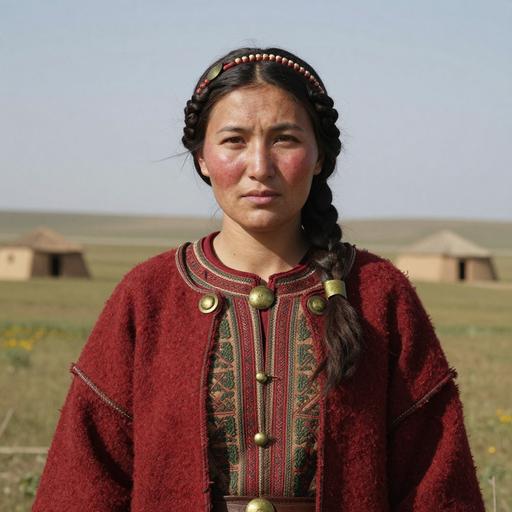
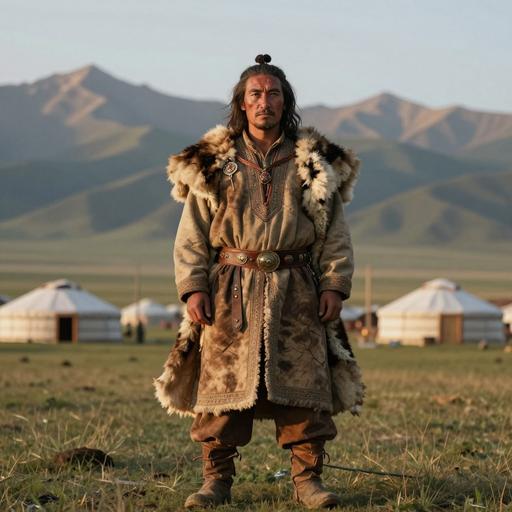
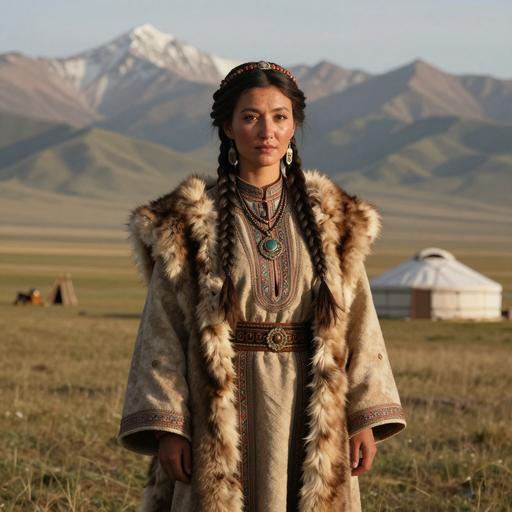
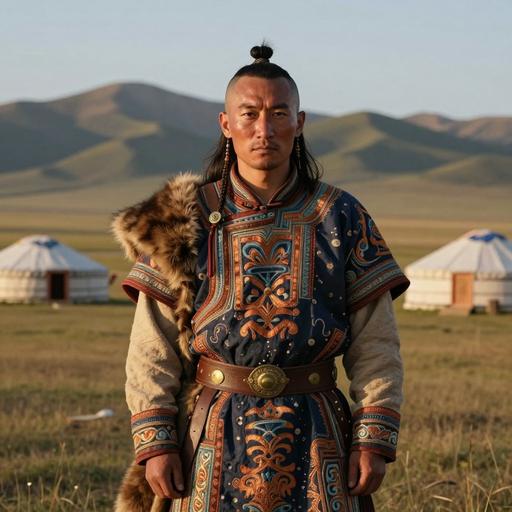
Los retratos son ilustraciones generadas con IA. Las etiquetas de muestra y los identificadores de acceso identifican los registros de referencia.

Retrato Muestra País Época Fecha Cultura mtDNA Coincidencia
Retrato ilustrativo de Steppe Cultures individual, Almaty. Talgar. Birlik, Kazakhstan (750-417 BCE) generado con IA
Identificador de muestra: I3867
Kazakhstan Early Iron Age Kazakhstan 750 BCE - 417 BCE Early Kazakh Iron F2 Direct
Retrato ilustrativo de Tasmola individual, Almaty. Talgar. Birlik, Kazakhstan (750-417 BCE) generado con IA
Identificador de muestra: I3867
Kazakhstan The Tasmola Culture 750 BCE - 417 BCE F2 Direct
Retrato ilustrativo de Guangxi Banda Cave Northern And Southern Dynasties individual, Guangxi. Hechi City. Dahua Yao Autonomous County. Banda Cave, China (484-644 CE) generado con IA
Identificador de muestra: BandaKD11
China Banda Period China 450-650 CE Banda Culture F2d Subclado
Retrato ilustrativo de Early Medieval individual, Verkhnii Saltiv (Forest-steppe, Siversky Donets basin, Kharkiv), Ukraine (792-908 CE) generado con IA
Identificador de muestra: UKR137
Ukraine Ukraine EarlyMedieval 800-900 CE Ukraine_EarlyMedieval F2c1 Subclado
Retrato ilustrativo de Turkic Nomadic individual, Tian Shan. Central Steppe, Kazakhstan (890-1,025 CE) generado con IA
Identificador de muestra: DA126
Kazakhstan Kazakhstan Medieval Nomad 890 CE - 1025 CE Turkic Nomadic Culture F2c1 Subclado
Retrato ilustrativo de Steppe Central Nomad Ma individual, Tian Shan. Central Steppe, Kazakhstan (890-1,025 CE) generado con IA
Identificador de muestra: DA126
Kazakhstan Medieval Steppe Nomads 890 CE - 1025 CE F2c1 Subclado
Retrato ilustrativo de Xinjiang Kafulang Historical individual, Xinjiang. Yili Region. Tekesi County. Kafulang, China (892-992 CE) generado con IA
Identificador de muestra: C4149
China China Xinjiang Kafulang Historical 892-992 calCE Kafulang Culture F2f Subclado
Retrato ilustrativo de Bulgan Early Medieval Late Medieval individual, Bulgan. Zaan-Khoshuu, Mongolia (1,021-1,154 CE) generado con IA
Identificador de muestra: ZAA003
Mongolia Mongolia Bulgan EarlyMedieval LateMedieval 1021-1154 calCE (980±20 BP) Medieval Mongolia F2a Subclado
Retrato ilustrativo de Turkic Nomadic individual, Tian Shan. Central Steppe, Kyrgyzstan (1,030-1,160 CE) generado con IA
Identificador de muestra: DA118
Kyrgyzstan Kyrgyzstan Medieval Nomad 1030 CE - 1160 CE Medieval Nomadic F2g Subclado
Retrato ilustrativo de Steppe Central Nomad Ma individual, Tian Shan. Central Steppe, Kyrgyzstan (1,030-1,160 CE) generado con IA
Identificador de muestra: DA118
Kyrgyzstan Medieval Steppe Nomads 1030 CE - 1160 CE F2g Subclado
MATERNAL LINAJE · ADN ANTIGUO

Mapa de pruebas de linajes antiguos

Sigue los clados superiores hasta esta rama y explora dónde se encontraron portadores antiguos.

Cargando observaciones antiguas...

Los marcadores son ubicaciones de hallazgos arqueológicos. Una línea discontinua representa una transición geográfica propuesta e incierta entre ramas consecutivas, apoyada en varias observaciones fechadas; no es una ruta de viaje exacta, un lugar de nacimiento ni una prueba de descendencia directa. Las muestras del clado parental pueden pertenecer a otras ramas descendientes. Se mantienen huecos cuando las pruebas son insuficientes. Las fechas de las muestras son distintas de las fechas de formación de los haplogrupos.

Perfil de referencia

Mapa de distribución de portadores

Distribución geográfica de muestras de ADN antiguo (14), portadores directos o de subclados de F2

Portador directo Portador de un subclado
Filtro de periodo temporal
Todos los periodos
Mostrando todas las muestras
Perfil de referencia

Distribución temporal

Distribución de portadores por periodos arqueológicos

Perfil de referencia

Distribución geográfica

Recuentos por país registrado de las muestras. Reflejan la selección de referencia disponible, no frecuencias de población.

Perfil de referencia

Distribución por país y época

Compara los recuentos de muestras registradas por países y periodos arqueológicos. Selecciona una celda con datos para examinar una muestra.

Datos

Datos y procedencia

Información sobre las fuentes y la calidad de los datos

Última actualización 2026-02-16
Puntuación de confianza 50/100
Cobertura Low

Fuente de datos

La clasificación, las fechas estimadas y el contexto geográfico reflejan los datos de referencia registrados y pueden cambiar al revisarse las pruebas. La cobertura de muestras es desigual; las ubicaciones registradas y las asociaciones arqueológicas no establecen el origen personal ni la identidad cultural.