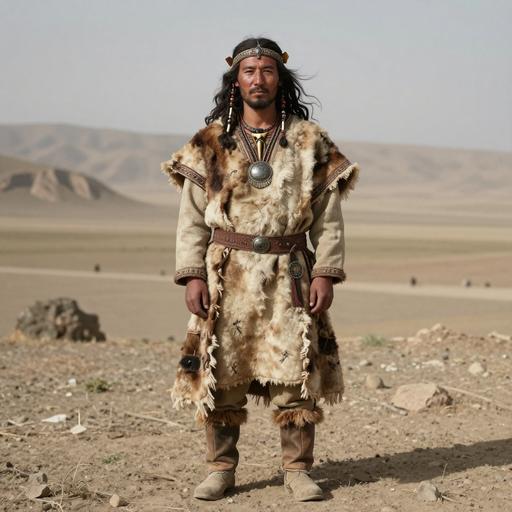
Contexto de la rama
Contexto histórico de la rama de linaje mtDNA U5
Haplogroup U5 is a subclade of the mitochondrial DNA (mtDNA) haplogroup U, which is one of the oldest and most widespread haplogroups in Europe. Haplogroup U5 is particularly significant because it is associated with the first modern humans to settle in Europe, dating back to the Upper Paleolithic period, around 35,000 to 45,000 years ago. It is considered one of the oldest European haplogroups and has been crucial for understanding the genetic history and ancient migrations of early European populations, including hunter-gatherers who lived in Europe long before the spread of agriculture.
Origin and Evolution
Haplogroup U5 is estimated to have originated between 35,000 and 45,000 years ago, during the Upper Paleolithic, possibly in Western Asia or Europe. It represents one of the earliest mitochondrial haplogroups to appear in Europe and is closely associated with Paleolithic hunter-gatherers who spread across the continent during this period.
Haplogroup U5 is a descendant of the larger haplogroup U, which originated around 55,000 years ago and is thought to be one of the oldest mtDNA haplogroups outside Africa. As one of the earliest branches of U, U5 reflects the genetic legacy of Europe’s original inhabitants before the arrival of Neolithic farmers from the Near East.
Subclades of Haplogroup U5
Haplogroup U5 is divided into several subclades, with U5a and U5b being the most prominent:
U5a: This subclade is more common in Western and Northern Europe and has been associated with ancient European populations, including Mesolithic and Neolithic hunter-gatherers. U5a is further divided into smaller sub-branches that show geographic diversity across Europe.
U5b: This subclade is found at higher frequencies in Eastern Europe, Northern Europe, and Scandinavia. It is also linked to ancient European populations and has been detected in several ancient DNA studies, particularly in northern and eastern regions of Europe.
These subclades highlight the ancient presence of haplogroup U5 in Europe and its long-term continuity in European populations.
Geographic Distribution and Significance
Haplogroup U5 is primarily found in Europe, with significant concentrations in Northern, Western, and Eastern Europe. It is especially prevalent in Scandinavia, the Baltic States, and Eastern Europe, where it is often linked to ancient populations of hunter-gatherers. U5 is also found in lower frequencies in North Africa and parts of the Near East, likely due to ancient migrations and population movements.
Northern Europe
- Scandinavia and Finland have some of the highest frequencies of haplogroup U5, particularly the U5b subclade. The prevalence of U5 in this region reflects the deep history of Paleolithic and Mesolithic hunter-gatherer populations who inhabited the region long before the arrival of Neolithic farmers. Modern-day Saami populations in northern Scandinavia and Finland show high frequencies of U5, making it a key marker of ancient European ancestry in these populations.
Western and Central Europe
- Haplogroup U5a is commonly found in Western Europe, especially in countries like France, Germany, and the British Isles. Ancient DNA studies have shown that U5 was present in Mesolithic hunter-gatherers who lived in these regions before the spread of agriculture around 9,000 to 6,000 years ago.
Eastern Europe
- In Eastern Europe, haplogroup U5 is also found at significant frequencies, particularly in Poland, Ukraine, and Russia. The distribution of U5 in Eastern Europe reflects both ancient populations of hunter-gatherers and later migrations from the Eurasian steppe during the Bronze Age.
Near East and North Africa
- Haplogroup U5 is found at lower frequencies in the Near East and North Africa, likely due to ancient population movements between Europe and these regions. Its presence in North Africa could be attributed to migrations across the Mediterranean during various periods, particularly in the Paleolithic and Neolithic.
Role in Human Migration
Haplogroup U5 is one of the most important markers for understanding early human migrations into Europe. It is strongly associated with the Paleolithic and Mesolithic hunter-gatherer populations who settled in Europe tens of thousands of years ago. These early Europeans are thought to have survived in glacial refugia during the Last Glacial Maximum (LGM) around 20,000 years ago and then expanded northward as the ice sheets retreated.
Paleolithic Expansion
- The emergence of haplogroup U5 coincides with the arrival of the first anatomically modern humans in Europe during the Upper Paleolithic, around 40,000 years ago. These populations, known as hunter-gatherers, spread across the continent, leaving behind important archaeological sites such as those in France, Spain, and Germany. U5 was carried by these early human populations as they adapted to various European environments, including the harsh conditions of the Ice Age.
Post-Glacial Recolonization
- After the Last Glacial Maximum, haplogroup U5-carrying populations expanded from southern European refugia, where humans had survived during the coldest periods, back into northern and central Europe as the glaciers retreated. This post-glacial expansion helped shape the genetic landscape of Europe, particularly in Northern and Eastern Europe, where U5 remains a significant marker of ancient ancestry.
Neolithic Transition
- Despite the arrival of Neolithic farmers from the Near East around 9,000 to 6,000 years ago, who brought new mtDNA haplogroups such as H, J, and T, haplogroup U5 persisted in Europe. Many Mesolithic hunter-gatherer populations intermingled with the incoming Neolithic farmers, and U5 continues to be found in modern European populations, albeit at lower frequencies than during the Paleolithic.
Ancient DNA and Archaeological Evidence
Ancient DNA studies have confirmed the long-term presence of haplogroup U5 in Europe, particularly among Paleolithic and Mesolithic hunter-gatherers. U5 has been detected in a wide range of ancient human remains from archaeological sites across Europe, underscoring its importance in the genetic history of the continent.
Paleolithic and Mesolithic Hunter-Gatherers: Haplogroup U5 is frequently found in the remains of Upper Paleolithic and Mesolithic individuals, particularly in France, Germany, Spain, the British Isles, and Scandinavia. These findings confirm that U5 was a dominant haplogroup among Europe’s earliest populations, long before the spread of agriculture.
Neolithic Farmers: Although U5 was less common among the Neolithic farming populations who migrated into Europe from the Near East, it has been found in the remains of Neolithic and Bronze Age individuals, indicating that some U5 lineages persisted through the transition from hunter-gatherer to agricultural societies.
Modern Distribution and Frequency
Haplogroup U5 is found at low to moderate frequencies in modern European populations, with the highest frequencies in Northern Europe and Scandinavia. It is particularly common among the Saami people of Finland and northern Scandinavia, where it accounts for a significant portion of their mitochondrial DNA. U5 is also found in lower frequencies across Western, Central, and Eastern Europe, reflecting its ancient roots in the region.
Northern Europe: U5 reaches frequencies of around 10-20% in populations from Finland, Sweden, and Norway, with even higher frequencies among the Saami people.
Western and Central Europe: U5 is present at lower frequencies (typically 5-10%) in countries like Germany, France, and the British Isles.
Eastern Europe: In countries such as Poland, Russia, and Ukraine, U5 is found at similar frequencies to Western and Northern Europe, particularly among populations with deep ancestral ties to hunter-gatherer groups.
Genetic and Evolutionary Significance
Haplogroup U5 is one of the oldest mitochondrial haplogroups in Europe and represents a direct link to the continent’s first modern human inhabitants. Its presence in both ancient and modern populations highlights its role in shaping the genetic diversity of Europe over tens of thousands of years. U5 provides valuable insights into the Paleolithic, Mesolithic, and Neolithic periods of human history, especially regarding the survival, adaptation, and movement of early European populations.
Conclusion
Haplogroup U5 is one of the oldest and most important mitochondrial DNA lineages in Europe, with origins dating back to the Upper Paleolithic around 35,000 to 45,000 years ago. It is strongly associated with hunter-gatherer populations that lived in Europe long before the arrival of agriculture and remains a key marker of ancient European ancestry.
Today, U5 is found at moderate frequencies in modern populations across Northern, Western, and Eastern Europe, with particularly high frequencies among the Saami people of Scandinavia
. As one of the earliest maternal lineages in Europe, haplogroup U5 continues to provide crucial insights into the genetic history of the continent, from the first human settlers to the later transformations brought by agriculture and subsequent migrations.
Puntos clave
- Origin and Evolution
- Subclades of Haplogroup U5
- Geographic Distribution and Significance
- Role in Human Migration
- Ancient DNA and Archaeological Evidence