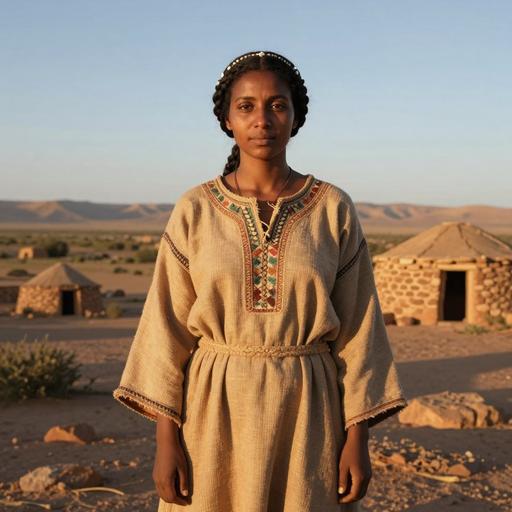
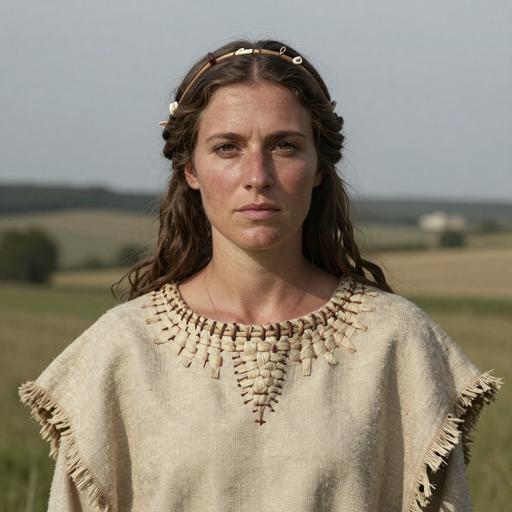
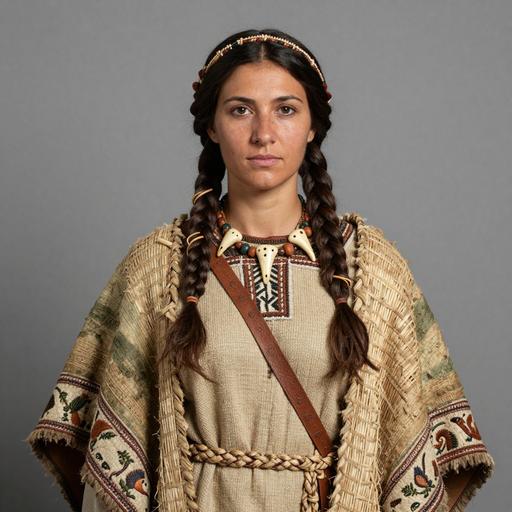
Un perfil de referencia de una rama de linaje. Compartir haplogrupos no demuestra una relación familiar ni una identidad cultural.
Perfil de referencia
Contexto de la rama
Contexto histórico de la rama de linaje mtDNA X2
Origins and Evolution
mtDNA haplogroup X2 is a primary branch of haplogroup X and likely split from its sister lineages in the Late Glacial period roughly ~20–25 kya. Phylogenetic analyses and ancient DNA studies place the diversification of X2 in Western Asia / the Near East, a region that has acted as a genetic crossroads between Europe, North Africa and Central Asia. From this Near Eastern source X2 expanded and diversified into multiple regional subclades during the Late Glacial and early Holocene.
X2 should be viewed as a lineage with both deep Paleolithic associations (its root coalescing near the Last Glacial Maximum) and later Neolithic-era population movements that redistributed its subclades across Eurasia and into North America (in the unique X2a branch).
Subclades
Key subclades of X2 include several regionally differentiated lineages (often labeled X2b, X2c, X2d, X2e, X2g, etc.), and the well-known X2a branch found principally in some Native American populations. Many X2 subclades have focal distributions: some are centered in the Caucasus and Anatolia, others in the Mediterranean and Europe. The Native American X2a is phylogenetically distinct and is interpreted as having entered the Americas via Beringia during the Late Pleistocene/Early Holocene.
Geographical Distribution
Today X2 is most common and diverse in the Near East, the Caucasus and parts of Southern Europe, with lower-frequency occurrences across broader Europe, North Africa and into Central Asia. Ancient DNA from Neolithic sites in Anatolia and the Levant, and from later European contexts, shows X2 lineages present among early farmers, consistent with movement of maternal lineages from the Near East into Europe during the Neolithic. The presence of X2a in North America is a notable exception illustrating a separate early migration into the Americas.
Historical and Cultural Significance
Because of its Near Eastern origin and its diversification during the Late Glacial and early Holocene, X2 is often discussed in the context of Neolithic farmer dispersals that spread Near Eastern maternal lineages into Europe and the Mediterranean. It is detected in modern populations associated with the Caucasus, Anatolia and Southern Europe and has been identified in some ancient skeletal remains from Neolithic and later periods. The distinctive X2a subclade provides evidence for one component of the maternal ancestry of some Native American groups and therefore has significance for understanding early peopling of the Americas.
Conclusion
mtDNA haplogroup X2 represents a lineage with a Near Eastern Late Glacial origin that later contributed maternal ancestry to multiple regions across Eurasia and, via the X2a branch, to parts of North America. Its pattern—diversity concentrated in the Near East/Caucasus with scattered but persistent presence in Europe, North Africa and the Americas—illustrates the combined effects of deep Pleistocene structure and Holocene migrations (notably the Neolithic expansion) on maternal genetic landscapes. Ongoing aDNA sampling and fine-scale phylogenetic work continue to refine the timing and routes of X2 dispersals.
Puntos clave
Origins and Evolution
Subclades
Geographical Distribution
Historical and Cultural Significance
Conclusion
Perfil de referencia
Árbol y relaciones
Contexto filogenético y subclados
Trayectoria evolutiva
Sigue las ramas superiores registradas hasta X2. Las fechas son estimaciones y pueden cambiar al revisarse los datos de referencia.
The populations where mtDNA haplogroup X2 is found include:
Levantine and Near Eastern populations (e.g., Lebanese, Palestinians, Syrians)
Anatolian and Turkish populations
Caucasus populations (e.g., Armenians, Georgians)
Southern European populations (e.g., Greeks, Italians)
Western and Central European populations (lower to moderate frequency)
North African populations (Berber and coastal groups, low frequency)
Ashkenazi and other Near Eastern-derived Jewish communities (at low to moderate frequency)
Selected Native North American groups (X2a — e.g., some Algonquian/Great Lakes-area groups)
Scattered occurrences in Central Asia and the Eurasian steppe (low frequency)
Contexto histórico
Una rama a través del tiempo
Formación estimada en una cronología histórica amplia. Los marcadores temporales aportan contexto y no implican relación con culturas concretas.
~22k años de antigüedad
Haplogrupo X2
Formación estimada de esta rama de mtDNA; las fechas y ubicaciones son estimaciones de referencia.
Esta rama
~20k años de antigüedad
Último máximo glacial
Máxima extensión de la última glaciación y aislamiento de poblaciones
~10k años de antigüedad
Revolución neolítica
Inicio de la agricultura y formación de comunidades sedentarias
~5k años de antigüedad
Edad del Bronce
Metalurgia, escritura y primeras civilizaciones
~3k años de antigüedad
Edad del Hierro
Herramientas de hierro y ampliación de redes comerciales
~2.5k años de antigüedad
Antigüedad clásica
Desarrollo de las civilizaciones griega y romana
Actualidad
Actualidad
Época moderna
Perfil de referencia
Contexto arqueológico
Asociaciones arqueológicas registradas para la rama mtDNA X2
Asociaciones registradas
Estas etiquetas describen contextos arqueológicos registrados para las muestras de referencia enlazadas a X2. Una asociación no demuestra que todos los portadores pertenecieran a una cultura ni siguieran una ruta migratoria concreta.
Las atribuciones culturales se basan en el contexto arqueológico de las muestras de ADN antiguo y pueden representar asociaciones regionales de periodos concretos.
Perfil de referencia
Catálogo de muestras
2 portadores directos y 46 portadores de subclados del haplogrupo X2
10 mostradas · 48 muestras coincidentes
Ninguna muestra coincide con estos filtros. Prueba otra etiqueta, ubicación o periodo.
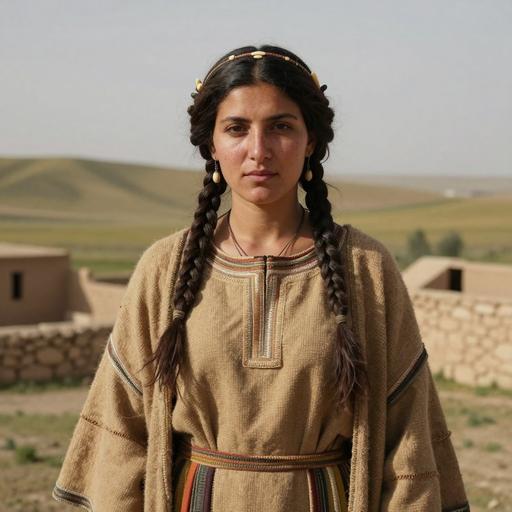
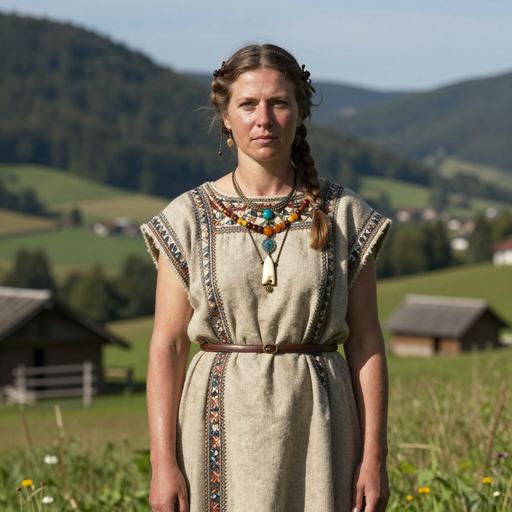
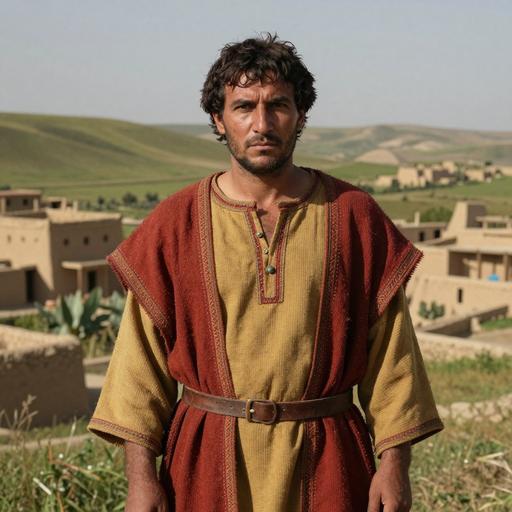
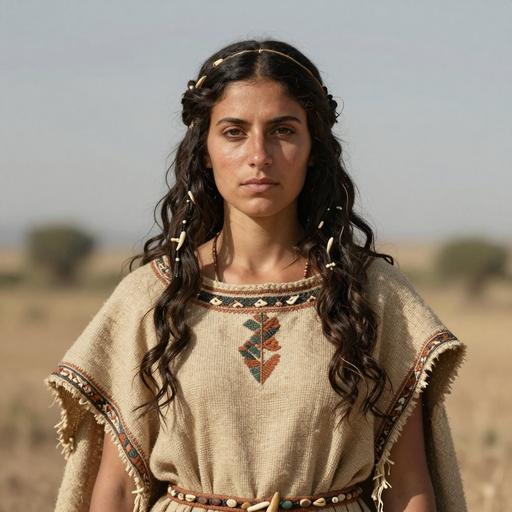
Los retratos son ilustraciones generadas con IA. Las etiquetas de muestra y los identificadores de acceso identifican los registros de referencia.
Sigue los clados superiores hasta esta rama y explora dónde se encontraron portadores antiguos.
Cargando observaciones antiguas...
La reducción de movimiento está activada. Utiliza la cronología o Mostrar todo para explorar a tu ritmo.
Leer las observaciones en una tabla
Observaciones antiguas visibles por rama, periodo y punto medio de la fecha
Rama
Periodo
Intervalo de fechas
Muestra
Identificador de muestra
Ubicación
Haplogrupo
Relación
Los marcadores son ubicaciones de hallazgos arqueológicos. Una línea discontinua representa una transición geográfica propuesta e incierta entre ramas consecutivas, apoyada en varias observaciones fechadas; no es una ruta de viaje exacta, un lugar de nacimiento ni una prueba de descendencia directa. Las muestras del clado parental pueden pertenecer a otras ramas descendientes. Se mantienen huecos cuando las pruebas son insuficientes. Las fechas de las muestras son distintas de las fechas de formación de los haplogrupos.
La agrupación por periodo histórico refleja cuándo vivió cada individuo antiguo y combina todas las ramas de esta cadena de linajes; no es una secuencia migratoria ni una cronología personal entre periodos.
Perfil de referencia
Mapa de distribución de portadores
Distribución geográfica de muestras de ADN antiguo (48), portadores directos o de subclados de X2
Portador directo Portador de un subclado
Filtro de periodo temporal
Todos los periodos
Mostrando todas las muestras
Perfil de referencia
Distribución temporal
Distribución de portadores por periodos arqueológicos
Perfil de referencia
Distribución geográfica
Recuentos por país registrado de las muestras. Reflejan la selección de referencia disponible, no frecuencias de población.
Perfil de referencia
Distribución por país y época
Compara los recuentos de muestras registradas por países y periodos arqueológicos. Selecciona una celda con datos para examinar una muestra.
Datos
Datos y procedencia
Información sobre las fuentes y la calidad de los datos
Última actualización2026-06-14
Fuente de datos
La clasificación, las fechas estimadas y el contexto geográfico reflejan los datos de referencia registrados y pueden cambiar al revisarse las pruebas. La cobertura de muestras es desigual; las ubicaciones registradas y las asociaciones arqueológicas no establecen el origen personal ni la identidad cultural.