Saltar al contenido principal
Y-DNA · Paterno linaje

BT

Y-DNA Haplogroup BT

Un perfil de referencia de una rama de linaje. Compartir haplogrupos no demuestra una relación familiar ni una identidad cultural.

Perfil de referencia

Contexto de la rama

Contexto histórico de la rama de linaje Y-DNA BT

Origins and Evolution

Haplogroup BT occupies a pivotal position near the base of the Y-chromosome phylogeny. It represents the branch that separates haplogroup A lineages from the rest of human paternal diversity. BT arose in Africa during the Middle to Late Pleistocene (commonly estimated on the order of ~100–200 kya, with many analyses centering around ~120–160 kya). From BT two major daughter lineages emerge: haplogroup B (largely African in distribution) and haplogroup CT (the ancestor of virtually all non-B, non-A Y lineages). Because BT is ancestral to CT, it is the immediate precursor of the paternal lineages that later dispersed within Africa and out of Africa into Eurasia, Oceania and the Americas.

Subclades (if applicable)

  • Haplogroup B: A major African clade concentrated among Central African rainforest foragers and present at variable frequencies across sub-Saharan Africa. B retains deep African structure and ancient subclades.
  • Haplogroup CT: The other primary branch under BT; CT splits into almost all other globally distributed Y haplogroups (C through T). CT-derived lineages are responsible for the peopling of Eurasia, Oceania and the Americas.

Undifferentiated or basal BT (often written BT*) is extremely rare in modern samples; most modern males carrying BT ancestry are classified within downstream clades (B or CT-derived haplogroups).

Geographical Distribution

Because BT is ancestral to both African (B) and non-African (CT-derived) haplogroups, its genetic legacy is effectively widespread. Present-day geographic patterns reflect its descendant clades: haplogroup B is concentrated in Central and some parts of East and Southern Africa, while CT-derived lineages dominate Eurasia, Oceania and the Americas. Basal BT* lineages are seldom detected and, when reported, are generally very rare or restricted to specialized sampling of deep-rooting African populations.

Historical and Cultural Significance

BT itself is not tied to a single archaeological culture because it predates the emergence of the archaeological complexes detected in the Holocene; instead, its significance is as a phylogenetic pivot. The split of BT into B and CT marks an important stage in African population structure that set the stage for later demographic events: the regional differentiation of African populations, the later expansions of CT-derived lineages out of Africa during the Late Pleistocene and the major population turnovers and migrations in the Holocene (Neolithic farmer dispersals, Bronze Age steppe expansions, etc.). Descendant haplogroups of CT are strongly associated with later archaeological cultures (for example, haplogroup R with some Bronze Age steppe groups, haplogroup J with some Near Eastern farmer-associated populations), but these associations reflect downstream history rather than direct links to BT itself.

Conclusion

Haplogroup BT is a foundational node in the human Y-chromosome tree: although undifferentiated BT is rarely observed in modern populations, the clade’s importance lies in its position as the ancestor of haplogroup B (deep African lineages) and CT (the source of nearly all non-African paternal diversity). Studying BT and its immediate descendants helps reconstruct deep Pleistocene population structure within Africa and the subsequent dispersals that populated the rest of the world.

Puntos clave

  • Origins and Evolution
  • Subclades (if applicable)
  • Geographical Distribution
  • Historical and Cultural Significance
  • Conclusion
Perfil de referencia

Árbol y relaciones

Contexto filogenético y subclados

Trayectoria evolutiva

Sigue las ramas superiores registradas hasta BT. Las fechas son estimaciones y pueden cambiar al revisarse los datos de referencia.

Pasos Haplogrupo Antigüedad estimada Época arqueológica Tiempo transcurrido Subclados inmediatos Portadores modernos analizados Referencias antiguas
1 BT Actual ~150,000 years ago Paleolithic 150,000 years 0 311 29
2 B ~200,000 years ago Paleolithic 200,000 years 4 356 1
3 A ~270,000 years ago Paleolithic 270,000 years 3 585 8

Subclados (0)

Rama terminal: no hay subclados registrados

Ramas hermanas (3)

Otras ramas del mismo haplogrupo superior

Perfil de referencia

En el mundo

Distribución geográfica y presencia moderna

Origen registrado

East Africa

Distribución moderna

The populations where Y-DNA haplogroup BT is found include:

  1. Central African rainforest forager groups (through descendant haplogroup B)
  2. West and East African farming and pastoralist populations (through B and CT-derived E and other lineages)
  3. Nilotic and other East African pastoral groups (low-frequency B and CT derivatives)
  4. Afroasiatic-speaking Ethiopian highland groups (rare occurrences and CT-derived lineages)
  5. Eurasian populations across Western, Central and East Asia (predominantly CT-derived descendant haplogroups)
  6. European populations (through CT-descendants such as I, R, J and others)
  7. Indigenous peoples of Oceania and Southeast Asia (CT-derived lineages like C, M, S)
  8. Indigenous peoples of the Americas (CT-derived haplogroups such as Q and C) and African diaspora populations worldwide

Presencia regional

Sub-Saharan Africa High
Eastern Africa High
Southern Africa Moderate
Western Africa Moderate
Near East / Southwest Asia Low
Western Europe Low
Central Africa Moderate
South Asia High
East Asia High
Oceania Moderate
North America (Indigenous & diaspora) High
South America (Indigenous & diaspora) High
Contexto histórico

Una rama a través del tiempo

Formación estimada en una cronología histórica amplia. Los marcadores temporales aportan contexto y no implican relación con culturas concretas.

  1. ~200k años de antigüedad

    Raíz compartida de linajes de ADNmt

    Referencia teórica a la raíz compartida de los linajes de ADNmt

  2. ~150k años de antigüedad

    Haplogrupo BT

    Formación estimada de esta rama de Y-DNA; las fechas y ubicaciones son estimaciones de referencia.

    Esta rama
  3. ~70k años de antigüedad

    Expansión fuera de África

    Migración importante de humanos modernos fuera de África

  4. ~50k años de antigüedad

    Paleolítico superior

    Desarrollo de herramientas, arte y diversidad cultural

  5. ~20k años de antigüedad

    Último máximo glacial

    Máxima extensión de la última glaciación y aislamiento de poblaciones

  6. ~10k años de antigüedad

    Revolución neolítica

    Inicio de la agricultura y formación de comunidades sedentarias

  7. ~5k años de antigüedad

    Edad del Bronce

    Metalurgia, escritura y primeras civilizaciones

  8. ~3k años de antigüedad

    Edad del Hierro

    Herramientas de hierro y ampliación de redes comerciales

  9. ~2.5k años de antigüedad

    Antigüedad clásica

    Desarrollo de las civilizaciones griega y romana

  10. Actualidad

    Actualidad

    Época moderna

Perfil de referencia

Contexto arqueológico

Asociaciones arqueológicas registradas para la rama Y-DNA BT

Asociaciones registradas

Estas etiquetas describen contextos arqueológicos registrados para las muestras de referencia enlazadas a BT. Una asociación no demuestra que todos los portadores pertenecieran a una cultura ni siguieran una ruta migratoria concreta.

Angara Culture British Neolithic French Neolithic Hora Culture Iberian Neolithic Lena River Culture Linear Pottery Culture Ob River Culture Pavlovian Culture Rossberga Culture Russia_Rostov_EBA_Don_Yamnaya Shahr-i Sokhta Culture Turkey_Catalhoyuk_MN Ukraine_Zaporizhia_N_DnieperDonets_MtCemetery
Las atribuciones culturales se basan en el contexto arqueológico de las muestras de ADN antiguo y pueden representar asociaciones regionales de periodos concretos.
Perfil de referencia

Catálogo de muestras

13 portadores directos y 16 portadores de subclados del haplogrupo BT

10 mostradas · 29 muestras coincidentes

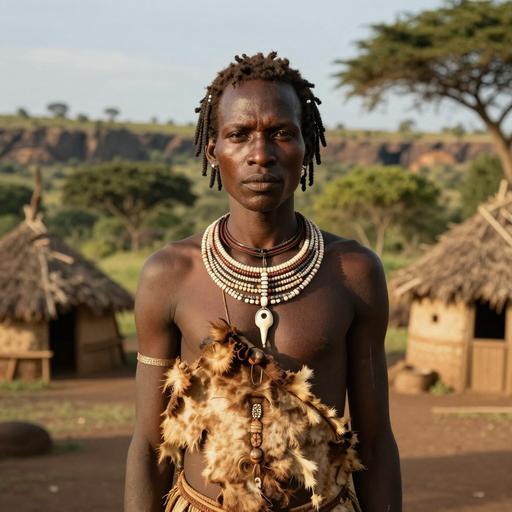
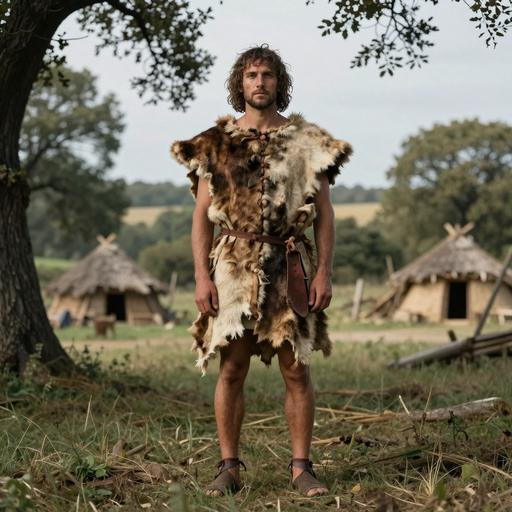
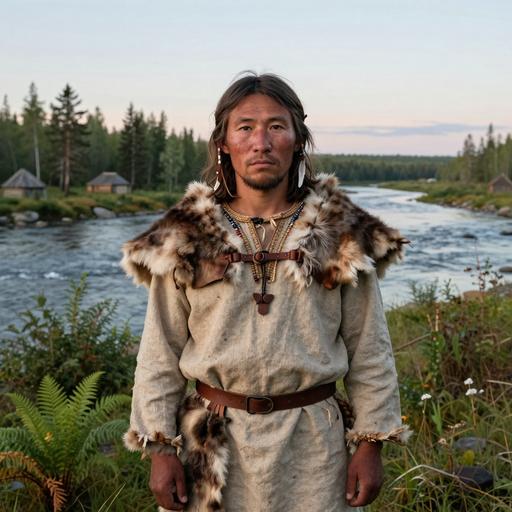
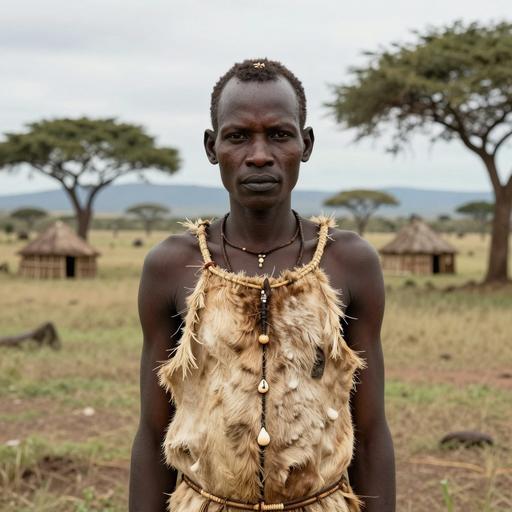
Los retratos son ilustraciones generadas con IA. Las etiquetas de muestra y los identificadores de acceso identifican los registros de referencia.

Retrato Muestra País Época Fecha Cultura Y-DNA Coincidencia
Retrato ilustrativo de Bantu individual, Gishimangeda Cave, Tanzania (800-400 BCE) generado con IA
Identificador de muestra: I13983
Tanzania Prehistoric and Iron Age in Tanzania 800 BCE - 400 BCE Tanzania Multi-Period BT Direct
Retrato ilustrativo de Dominican Republic Ceramic individual, El Soco (southeast coast DR, San Pedro de Macorís, Ramón Santana, Playa Nueva Romana), Dominican Republic (850-1,450 CE) generado con IA
Identificador de muestra: I13200
Dominican Republic Dominican Ceramic Culture 850-1450 CE Dominican Ceramic BT Direct
Retrato ilustrativo de Norse individual, England. Oxford. St John's College Oxford, United Kingdom (880-1,000 CE) generado con IA
Identificador de muestra: VK164
United Kingdom England Viking 880 CE - 1000 CE Viking BT Direct
Retrato ilustrativo de Norse individual, Gnezdovo, Russia (900-1,100 CE) generado con IA
Identificador de muestra: VK222
Russia Russia Viking 900 CE - 1100 CE Viking Culture BT Direct
Retrato ilustrativo de Canaanite/Phoenician individual, Ashkelon, Israel (1,259-1,020 BCE) generado con IA
Identificador de muestra: ASH008
Israel Iron Age II Ashkelon, Israel 1259-1020 calBCE (2941±31 BP, MAMS-30688) Ashkelon Culture BT Direct
Retrato ilustrativo de Central European Bronze Age Cultures individual, Kleinaitingen - Gewerbegebiet Nord, Germany (2,011-1,773 BCE) generado con IA
Identificador de muestra: AITI_36
Germany Early Bronze Age Lech Valley, Germany 2011 BCE - 1773 BCE Lech Valley Bronze Age BT Direct
Retrato ilustrativo de Haunstetten Unterer Talweg5862 EBA individual, Haunstetten - Unterer Talweg 58-62, Germany (2,026-1,888 BCE) generado con IA
Identificador de muestra: UNTA58_149
Germany Early Bronze Age Lech Valley, Germany 2026-1888 calBCE (3597±24 BP, MAMS-18938) Lech Valley Bronze Age BT Direct
Retrato ilustrativo de Novosibirsk N individual, Vengerovo-2 (Novosibirsk Oblast, Vengerovsky District), Russia (4,438-4,251 BCE) generado con IA
Identificador de muestra: NEO916
Russia Ob River Culture of Northern Russia 4232-3987 calBCE (5269±30 BP, UBA-40127) Ob River Culture BT Direct
Retrato ilustrativo de Paleo-Siberian individual, Siberia. Lena river. Kachug, Russia (4,980-4,841 BCE) generado con IA
Identificador de muestra: KAG001
Russia Early Neolithic Lena River, Siberia, Russia 4980 BCE - 4841 BCE Lena River Culture BT Direct
Retrato ilustrativo de Yonne N individual, Gurgy Les Noisats (Bourgogne-Franche-Comté Region, Yonne Department, Auxerre arrondissement), France (5,300-3,900 BCE) generado con IA
Identificador de muestra: GLN314
France France N 5300-3900 BCE French Neolithic BT Direct
PATERNAL LINAJE · ADN ANTIGUO

Mapa de pruebas de linajes antiguos

Sigue los clados superiores hasta esta rama y explora dónde se encontraron portadores antiguos.

Cargando observaciones antiguas...

Los marcadores son ubicaciones de hallazgos arqueológicos. Una línea discontinua representa una transición geográfica propuesta e incierta entre ramas consecutivas, apoyada en varias observaciones fechadas; no es una ruta de viaje exacta, un lugar de nacimiento ni una prueba de descendencia directa. Las muestras del clado parental pueden pertenecer a otras ramas descendientes. Se mantienen huecos cuando las pruebas son insuficientes. Las fechas de las muestras son distintas de las fechas de formación de los haplogrupos.

Perfil de referencia

Mapa de distribución de portadores

Distribución geográfica de muestras de ADN antiguo (29), portadores directos o de subclados de BT

Portador directo Portador de un subclado
Filtro de periodo temporal
Todos los periodos
Mostrando todas las muestras
Perfil de referencia

Distribución temporal

Distribución de portadores por periodos arqueológicos

Perfil de referencia

Distribución geográfica

Recuentos por país registrado de las muestras. Reflejan la selección de referencia disponible, no frecuencias de población.

Perfil de referencia

Distribución por país y época

Compara los recuentos de muestras registradas por países y periodos arqueológicos. Selecciona una celda con datos para examinar una muestra.

Datos

Datos y procedencia

Información sobre las fuentes y la calidad de los datos

Última actualización 2026-06-15
Puntuación de confianza 50/100
Cobertura Low

Fuente de datos

La clasificación, las fechas estimadas y el contexto geográfico reflejan los datos de referencia registrados y pueden cambiar al revisarse las pruebas. La cobertura de muestras es desigual; las ubicaciones registradas y las asociaciones arqueológicas no establecen el origen personal ni la identidad cultural.