Saltar al contenido principal
Y-DNA · Paterno linaje

E

E (M96)

Y-DNA Haplogroup E

Un perfil de referencia de una rama de linaje. Compartir haplogrupos no demuestra una relación familiar ni una identidad cultural.

Perfil de referencia

Contexto de la rama

Contexto histórico de la rama de linaje Y-DNA E

Origins and Evolution

Haplogroup E (downstream of DE) is one of the primary paternal lineages associated with modern African populations. It is generally estimated to have arisen in East or North-East Africa during the Upper Paleolithic, roughly ~40–70 thousand years ago (commonly cited central estimates near 50 kya). E split from its sister clade D (the DE sibling found primarily in parts of Asia) after the DE ancestral node, and then diversified within Africa into several major branches.

The phylogenetic branching within E produced long-lived and geographically structured subclades. This internal diversification reflects both deep Paleolithic population structure in Africa and later demographic events (Neolithic, pastoralist, and historical expansions) that reshaped the distribution of E sublineages.

Subclades (if applicable)

Major subclades of haplogroup E include:

  • E‑M2 (often called E1b1a) — predominant across much of sub‑Saharan West, Central and Southern Africa; closely associated with the Bantu expansions over the last ~3–5 kya.
  • E‑M35 / E1b1b — frequent in North Africa, the Horn of Africa, parts of the Near East and southern Europe; internally diverse with lineages (e.g., E‑M78, E‑M81) that have been linked to Neolithic and later movements across the Mediterranean and North Africa.
  • E‑M329 and other East African branches — more restricted to the Horn and adjacent East African populations and indicative of ancient East African population structure.

These subclades have different geographic focal points and demographic histories: E‑M2 is strongly tied to relatively recent demographic expansions (Bantu), while various E‑M35 lineages show older Neolithic/pastoralist associations and complex movements into Eurasia.

Geographical Distribution

Overall, haplogroup E is the dominant Y‑DNA lineage across much of sub‑Saharan Africa. Its distribution shows regional structure by subclade: E‑M2 peaks in West and Central African groups and in populations descended from them (including the African diaspora), whereas E‑M35 and its sublineages are common in North Africa, the Horn of Africa, parts of the Near East, and show measurable frequencies in southern Europe (Mediterranean) due to prehistoric and historic gene flow.

Outside Africa, E lineages appear in the Near East and the Mediterranean from Neolithic and later contacts, and in the Americas largely as a consequence of the transatlantic slave trade, in addition to more limited historic movements (e.g., Islamic-era North African gene flow into Iberia).

Historical and Cultural Significance

Haplogroup E and its subclades are tied to several major demographic processes in African and adjacent regions:

  • Bantu expansion: The dramatic spread of agricultural and iron‑working Bantu‑speaking populations from a homeland in West/Central Africa (beginning ~3–5 kya) carried E‑M2 widely across sub‑Saharan Africa, greatly shaping the modern genetic landscape of the region.
  • Neolithic and pastoral expansions: Some E‑M35 lineages correspond with the spread of pastoralist and agricultural practices in northeastern Africa and into the Mediterranean and Near East during the Holocene.
  • Historic translocations: Trade, conquest and the transatlantic slave trade redistributed E lineages beyond Africa — notably into the Americas and parts of Europe.

Because of its prevalence and internal diversity, haplogroup E is important for reconstructing African population history, the spread of language families (e.g., Niger‑Congo/Bantu, Afroasiatic), and interactions between Africa and neighboring regions.

Conclusion

Y‑DNA haplogroup E is a cornerstone of paternal ancestry for African populations and a key marker for studying African demographic history. Its origin within Africa from a DE ancestor and subsequent branching into regionally distinct subclades explain both its high continental frequency and its varied external footprints in the Near East, southern Europe, and the Americas. Genetic, archaeological, and linguistic evidence taken together show that E's distribution reflects deep Paleolithic roots plus substantial Holocene and historic movements that shaped modern populations.

Puntos clave

  • Origins and Evolution
  • Subclades (if applicable)
  • Geographical Distribution
  • Historical and Cultural Significance
  • Conclusion
Perfil de referencia

Árbol y relaciones

Contexto filogenético y subclados

Trayectoria evolutiva

Sigue las ramas superiores registradas hasta E. Las fechas son estimaciones y pueden cambiar al revisarse los datos de referencia.

Pasos Haplogrupo Antigüedad estimada Época arqueológica Tiempo transcurrido Subclados inmediatos Portadores modernos analizados Referencias antiguas
1 E Actual ~50,000 years ago Paleolithic 50,000 years 3 1,813 3
Perfil de referencia

En el mundo

Distribución geográfica y presencia moderna

Origen registrado

East Africa

Distribución moderna

The populations where Y-DNA haplogroup E is found include:

  1. Yoruba and other West African groups
  2. Bantu-speaking populations across Central, Eastern and Southern Africa
  3. Mande and West African coastal groups
  4. Ethiopian, Somali and Horn of Africa populations
  5. Berber (Amazigh) groups of North Africa
  6. Levantine and Near Eastern populations (at lower frequencies)
  7. Southern European groups in Mediterranean regions (e.g., Sicily, Iberia) at low–moderate frequencies
  8. African-descended populations in the Americas and Caribbean (via transatlantic slave trade)

Presencia regional

Northern Africa High
Western Africa High
Central Africa High
Eastern Africa High
Near East Low
Southern Europe Low
Americas (diaspora) Moderate
Contexto histórico

Una rama a través del tiempo

Formación estimada en una cronología histórica amplia. Los marcadores temporales aportan contexto y no implican relación con culturas concretas.

  1. ~70k años de antigüedad

    Expansión fuera de África

    Migración importante de humanos modernos fuera de África

  2. ~50k años de antigüedad

    Paleolítico superior

    Desarrollo de herramientas, arte y diversidad cultural

  3. ~50k años de antigüedad

    Haplogrupo E

    Formación estimada de esta rama de Y-DNA; las fechas y ubicaciones son estimaciones de referencia.

    Esta rama
  4. ~20k años de antigüedad

    Último máximo glacial

    Máxima extensión de la última glaciación y aislamiento de poblaciones

  5. ~10k años de antigüedad

    Revolución neolítica

    Inicio de la agricultura y formación de comunidades sedentarias

  6. ~5k años de antigüedad

    Edad del Bronce

    Metalurgia, escritura y primeras civilizaciones

  7. ~3k años de antigüedad

    Edad del Hierro

    Herramientas de hierro y ampliación de redes comerciales

  8. ~2.5k años de antigüedad

    Antigüedad clásica

    Desarrollo de las civilizaciones griega y romana

  9. Actualidad

    Actualidad

    Época moderna

Perfil de referencia

Contexto arqueológico

Asociaciones arqueológicas registradas para la rama Y-DNA E

Asociaciones registradas

Estas etiquetas describen contextos arqueológicos registrados para las muestras de referencia enlazadas a E. Una asociación no demuestra que todos los portadores pertenecieran a una cultura ni siguieran una ruta migratoria concreta.

Kansyore Culture Kindoki Late Anatolian Chalcolithic Lindi Swahili Makwasinyi Medieval Italian Minoan PPNB Pre-Aksumite Syrian Bronze Udegram Culture
Las atribuciones culturales se basan en el contexto arqueológico de las muestras de ADN antiguo y pueden representar asociaciones regionales de periodos concretos.
Perfil de referencia

Catálogo de muestras

3 portadores directos del haplogrupo E

3 mostradas · 3 muestras coincidentes

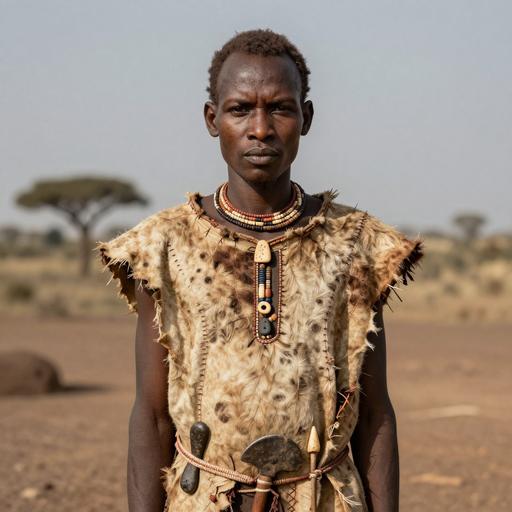
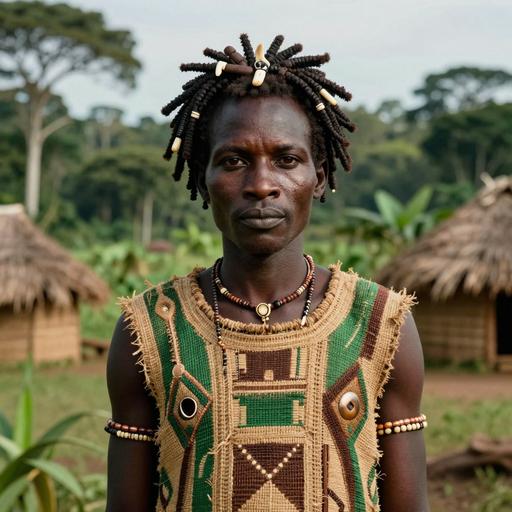
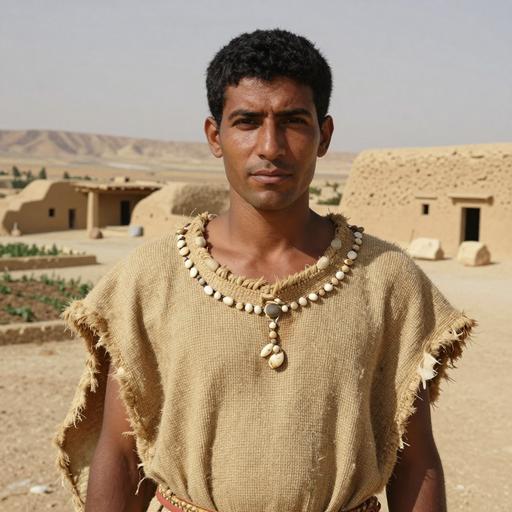
Los retratos son ilustraciones generadas con IA. Las etiquetas de muestra y los identificadores de acceso identifican los registros de referencia.

Retrato Muestra País Época Fecha Cultura Y-DNA Coincidencia
Retrato ilustrativo de LSA Kansyore individual, Nyanrindi Rockshelter, Kenya (1,650-1,400 BCE) generado con IA
Identificador de muestra: NYA003
Kenya Nyarindi Late Stone Age Kansyore in Kenya 1650-1400 BCE Kansyore Culture E Direct
Retrato ilustrativo de Democratic Republicofthe Congo Protohistoric-o individual, Kindoki, DR Congo (1,662-1,950 CE) generado con IA
Identificador de muestra: KIN003
DR Congo Kindoki Protohistoric Era in Congo 1673-1950 calCE (172±20 BP, OxA-37354) Kindoki E Direct
Retrato ilustrativo de Natufian/Levantine individual, 'Ain Ghazal, Jordan (8,300-7,900 BCE) generado con IA
Identificador de muestra: I1414
Jordan Jordan PPNB 8300 BCE - 7900 BCE PPNB E Direct
PATERNAL LINAJE · ADN ANTIGUO

Mapa de pruebas de linajes antiguos

Sigue los clados superiores hasta esta rama y explora dónde se encontraron portadores antiguos.

Cargando observaciones antiguas...

Los marcadores son ubicaciones de hallazgos arqueológicos. Una línea discontinua representa una transición geográfica propuesta e incierta entre ramas consecutivas, apoyada en varias observaciones fechadas; no es una ruta de viaje exacta, un lugar de nacimiento ni una prueba de descendencia directa. Las muestras del clado parental pueden pertenecer a otras ramas descendientes. Se mantienen huecos cuando las pruebas son insuficientes. Las fechas de las muestras son distintas de las fechas de formación de los haplogrupos.

Perfil de referencia

Mapa de distribución de portadores

Distribución geográfica de muestras de ADN antiguo (3), portadores directos o de subclados de E

Portador directo
Filtro de periodo temporal
Todos los periodos
Mostrando todas las muestras
Perfil de referencia

Distribución temporal

Distribución de portadores por periodos arqueológicos

Perfil de referencia

Distribución geográfica

Recuentos por país registrado de las muestras. Reflejan la selección de referencia disponible, no frecuencias de población.

Perfil de referencia

Distribución por país y época

Compara los recuentos de muestras registradas por países y periodos arqueológicos. Selecciona una celda con datos para examinar una muestra.

Datos

Datos y procedencia

Información sobre las fuentes y la calidad de los datos

Última actualización 2026-06-15

Fuente de datos

La clasificación, las fechas estimadas y el contexto geográfico reflejan los datos de referencia registrados y pueden cambiar al revisarse las pruebas. La cobertura de muestras es desigual; las ubicaciones registradas y las asociaciones arqueológicas no establecen el origen personal ni la identidad cultural.