Saltar al contenido principal
Y-DNA · Paterno linaje

I2

Y-DNA Haplogroup I2

Un perfil de referencia de una rama de linaje. Compartir haplogrupos no demuestra una relación familiar ni una identidad cultural.

Perfil de referencia

Contexto de la rama

Contexto histórico de la rama de linaje Y-DNA I2

Origins and Evolution

Y-DNA haplogroup I2 is a major branch of haplogroup I (M170), which itself descends from the broader IJ lineage that arose after modern humans left Africa. Haplogroup I2 is generally interpreted as an ancient European lineage that diversified during the Upper Paleolithic or early Mesolithic, with many of its downstream branches strongly linked to European hunter-gatherer populations.

Population genetics research indicates that haplogroup I2 was widespread in prehistoric Europe, especially among Mesolithic groups, but its distribution changed substantially with the arrival of Neolithic farmers and later Bronze Age migrations. While some I2 lineages declined in frequency in many western and central European regions, others persisted or expanded, especially in the Balkans, the Carpathian Basin, eastern Europe, and parts of Scandinavia.

Subclades

Haplogroup I2 contains several important subclades, many of which have distinct geographic patterns:

  • I2a: One of the most prominent branches, particularly frequent in the Balkans and some neighboring regions.
  • I2b: Found at lower frequencies in parts of central, northern, and eastern Europe.
  • Additional regional sub-branches exist and can show strong founder effects in specific populations.

Some I2 lineages are especially informative for studying the continuity of prehistoric European hunter-gatherer ancestry and later population structure in post-glacial Europe.

Geographical Distribution

Today, haplogroup I2 is found most often in Southeastern Europe, especially the Balkan Peninsula, with meaningful frequencies also present in Central Europe, Eastern Europe, Scandinavia, and the British Isles. Outside Europe, it is mainly encountered through modern migration and diaspora.

Its distribution is highly non-uniform, reflecting a long history of demographic bottlenecks, regional survival, and localized expansions. Some I2 subclades show strong associations with specific populations, including South Slavic groups, Bosnians, Croatians, Serbs, Montenegrins, Romanians, Ukrainians, Poles, Germans, Scandinavians, and Britons/Irish at lower but detectable levels.

Historical and Cultural Significance

Haplogroup I2 is one of the key paternal lineages for studying European prehistory because it is strongly associated with Mesolithic and post-Mesolithic hunter-gatherer ancestry. Its persistence into the Neolithic and Bronze Age suggests that not all prehistoric European male lineages were replaced by incoming farmer or steppe populations; instead, many were incorporated into later ancestral blends.

In the Balkans, some I2 lineages likely experienced significant demographic growth during the late prehistoric and historic periods, possibly aided by founder effects and regional continuity. In northern Europe, I2 is often interpreted as part of the broader genetic legacy of early post-glacial recolonization and later population interactions.

Although haplogroup I2 is not exclusive to any single named archaeological culture, it has been observed in contexts related to Mesolithic foragers, Neolithic and Copper Age societies, and later Bronze Age and Iron Age European populations. Its modern distribution reflects both deep ancestry and more recent historical expansions.

Conclusion

Y-DNA haplogroup I2 is an ancient and historically important European paternal lineage with deep roots in prehistoric hunter-gatherer populations. Its present-day concentration in southeastern Europe, along with lower-frequency presence across much of Europe, makes it a key marker for reconstructing the peopling and demographic history of Europe from the Mesolithic through the historic era.

Puntos clave

  • Origins and Evolution
  • Subclades
  • Geographical Distribution
  • Historical and Cultural Significance
  • Conclusion
Perfil de referencia

Árbol y relaciones

Contexto filogenético y subclados

Trayectoria evolutiva

Sigue las ramas superiores registradas hasta I2. Las fechas son estimaciones y pueden cambiar al revisarse los datos de referencia.

Pasos Haplogrupo Antigüedad estimada Época arqueológica Tiempo transcurrido Subclados inmediatos Portadores modernos analizados Referencias antiguas
1 I2 Actual ~20,000 years ago Mesolithic 20,000 years 2 1,785 10
2 I ~25,000 years ago Paleolithic 25,000 years 4 3,486 79

Ramas hermanas (3)

Otras ramas del mismo haplogrupo superior

Perfil de referencia

En el mundo

Distribución geográfica y presencia moderna

Origen registrado

Europe

Distribución moderna

The populations where Y-DNA haplogroup I2 haplogroup I2 is found include:

  1. Scandinavians
  2. Balkan populations
  3. Germans and Austrians
  4. British and Irish populations
  5. East Slavic populations
  6. Baltic populations
  7. Central European populations
  8. Recent diaspora populations in the Americas and Australia

Presencia regional

Southern Europe (including Balkans, Sardinia) High
Eastern Europe Moderate
Central Europe Moderate
Northern Europe (Scandinavia) Moderate
Western Europe (including British Isles pockets) Low
Southeastern Europe High
North America Low
Australia Low
Contexto histórico

Una rama a través del tiempo

Formación estimada en una cronología histórica amplia. Los marcadores temporales aportan contexto y no implican relación con culturas concretas.

  1. ~20k años de antigüedad

    Último máximo glacial

    Máxima extensión de la última glaciación y aislamiento de poblaciones

  2. ~20k años de antigüedad

    Haplogrupo I2

    Formación estimada de esta rama de Y-DNA; las fechas y ubicaciones son estimaciones de referencia.

    Esta rama
  3. ~10k años de antigüedad

    Revolución neolítica

    Inicio de la agricultura y formación de comunidades sedentarias

  4. ~5k años de antigüedad

    Edad del Bronce

    Metalurgia, escritura y primeras civilizaciones

  5. ~3k años de antigüedad

    Edad del Hierro

    Herramientas de hierro y ampliación de redes comerciales

  6. ~2.5k años de antigüedad

    Antigüedad clásica

    Desarrollo de las civilizaciones griega y romana

  7. Actualidad

    Actualidad

    Época moderna

Perfil de referencia

Contexto arqueológico

Asociaciones arqueológicas registradas para la rama Y-DNA I2

Asociaciones registradas

Estas etiquetas describen contextos arqueológicos registrados para las muestras de referencia enlazadas a I2. Una asociación no demuestra que todos los portadores pertenecieran a una cultura ni siguieran una ruta migratoria concreta.

Alföld Linear Pottery Cardial Ware Ertebølle Iboussieres Culture Lithuanian Mesolithic Mesolithic British Nikolske Tisza Culture Ukraine_Kirovohrad_N Ukrainian Neolithic
Las atribuciones culturales se basan en el contexto arqueológico de las muestras de ADN antiguo y pueden representar asociaciones regionales de periodos concretos.
Perfil de referencia

Catálogo de muestras

10 portadores de subclados del haplogrupo I2 (sin portadores directos en la selección de referencia actual)

10 mostradas · 10 muestras coincidentes

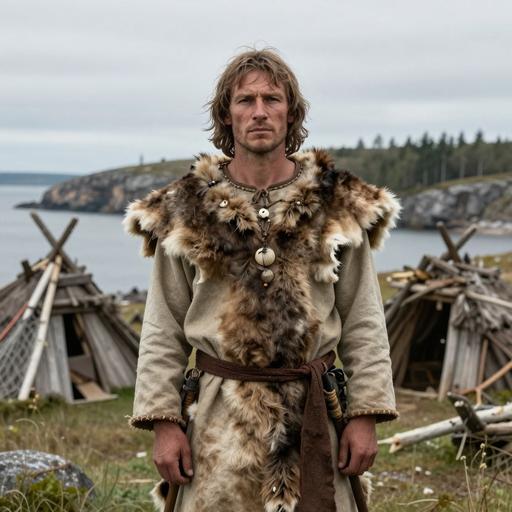
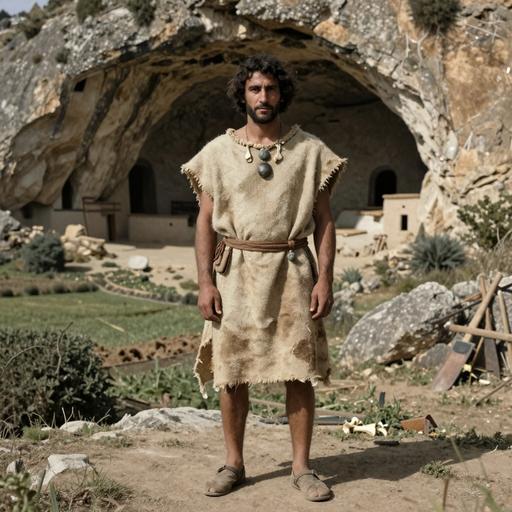
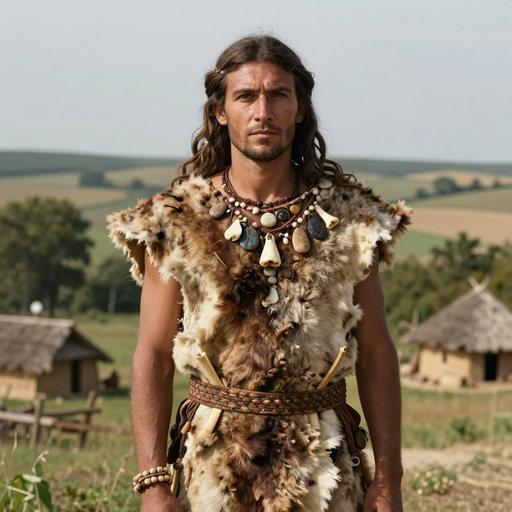
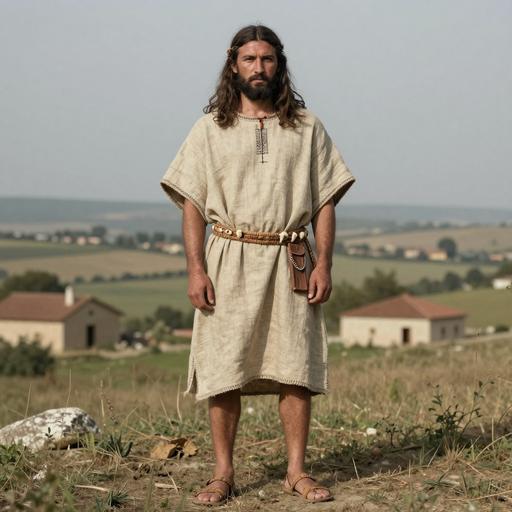
Los retratos son ilustraciones generadas con IA. Las etiquetas de muestra y los identificadores de acceso identifican los registros de referencia.

Retrato Muestra País Época Fecha Cultura Y-DNA Coincidencia
Retrato ilustrativo de Anderten Medieval Saxon individual, Lower Saxony. Anderten, Germany (600-1,000 CE) generado con IA
Identificador de muestra: ADN013
Germany Saxon Medieval Anderten, Germany 600-1000 CE Saxon Culture I2a2a1b2a1 Subclado
Retrato ilustrativo de Proto-Germanic individual, Mecklenburg-Vorpommern. Tollense battlefield, Germany (1,300-1,200 BCE) generado con IA
Identificador de muestra: WEZ15
Germany Bronze Age Tollense Valley, Germany 1300 BCE - 1200 BCE Tollense Culture I2a2a1a2a1a1 Subclado
Retrato ilustrativo de Nordic Bronze Age individual, Ajvide, Sweden (3,008-2,783 BCE) generado con IA
Identificador de muestra: ajv54
Sweden Pitted Ware Culture, Sweden 3008 BCE - 2783 BCE Pitted Ware I2-M438 Subclado
Retrato ilustrativo de Iberian Chalcolithic individual, Atapuerca. El Portalón, Spain (3,011-2,881 BCE) generado con IA
Identificador de muestra: atp12-1420
Spain Spain C 3011 BCE - 2881 BCE Los Millares I2-M223 Subclado
Retrato ilustrativo de Norse individual, Gotland. Hemmor, Sweden (3,341-3,026 BCE) generado con IA
Identificador de muestra: hem004
Sweden Pitted Ware and Battle Axe Culture Hemmor, Gotland, Sweden 3341 BCE - 3026 BCE Hemmor Culture I2-M438 Subclado
Retrato ilustrativo de Western European Megalithic Culture individual, Dolmen de Ansião, Portugal (3,700-3,300 BCE) generado con IA
Identificador de muestra: DolmenAnsiao96B
Portugal Portugal LN C 3700 BCE - 3300 BCE Portuguese Chalcolithic I2a1a1a1b Subclado
Retrato ilustrativo de Prehistoric Iberian individual, Andalusia. Cueva de los Cuarenta, Spain (3,765-3,636 BCE) generado con IA
Identificador de muestra: c40331
Spain Spain LN 3765 BCE - 3636 BCE Iberian Late Neolithic I2-Z161 Subclado
Retrato ilustrativo de MN individual, Osijek. Beli Manastir-Popova zemlja, Croatia (4,700-4,300 BCE) generado con IA
Identificador de muestra: POP24
Croatia Middle Neolithic Popova Culture 4800-4550 BCE Popova Culture I2a2a-M223 Subclado
Retrato ilustrativo de Danubian Cultures individual, Osijek. Beli Manastir-Popova zemlja, Croatia (4,792-4,552 BCE) generado con IA
Identificador de muestra: POP07
Croatia Middle Neolithic Popova Culture 4792 BCE - 4552 BCE Popova Culture I2a2a-M223 Subclado
Retrato ilustrativo de European Paleolithic individual, Verona. Stallavena di Grezzana. Riparo Tagliente, Italy (15,026-14,560 BCE) generado con IA
Identificador de muestra: RIP001
Italy Late Paleolithic Tagliente, Italy 15026 BCE - 14560 BCE Tagliente Culture I2-M436 Subclado
PATERNAL LINAJE · ADN ANTIGUO

Mapa de pruebas de linajes antiguos

Sigue los clados superiores hasta esta rama y explora dónde se encontraron portadores antiguos.

Cargando observaciones antiguas...

Los marcadores son ubicaciones de hallazgos arqueológicos. Una línea discontinua representa una transición geográfica propuesta e incierta entre ramas consecutivas, apoyada en varias observaciones fechadas; no es una ruta de viaje exacta, un lugar de nacimiento ni una prueba de descendencia directa. Las muestras del clado parental pueden pertenecer a otras ramas descendientes. Se mantienen huecos cuando las pruebas son insuficientes. Las fechas de las muestras son distintas de las fechas de formación de los haplogrupos.

Perfil de referencia

Mapa de distribución de portadores

Distribución geográfica de muestras de ADN antiguo (10), portadores directos o de subclados de I2

Portador de un subclado
Filtro de periodo temporal
Todos los periodos
Mostrando todas las muestras
Perfil de referencia

Distribución temporal

Distribución de portadores por periodos arqueológicos

Perfil de referencia

Distribución geográfica

Recuentos por país registrado de las muestras. Reflejan la selección de referencia disponible, no frecuencias de población.

Perfil de referencia

Distribución por país y época

Compara los recuentos de muestras registradas por países y periodos arqueológicos. Selecciona una celda con datos para examinar una muestra.

Datos

Datos y procedencia

Información sobre las fuentes y la calidad de los datos

Última actualización 2026-06-17
Puntuación de confianza 50/100
Cobertura Low

Fuente de datos

La clasificación, las fechas estimadas y el contexto geográfico reflejan los datos de referencia registrados y pueden cambiar al revisarse las pruebas. La cobertura de muestras es desigual; las ubicaciones registradas y las asociaciones arqueológicas no establecen el origen personal ni la identidad cultural.