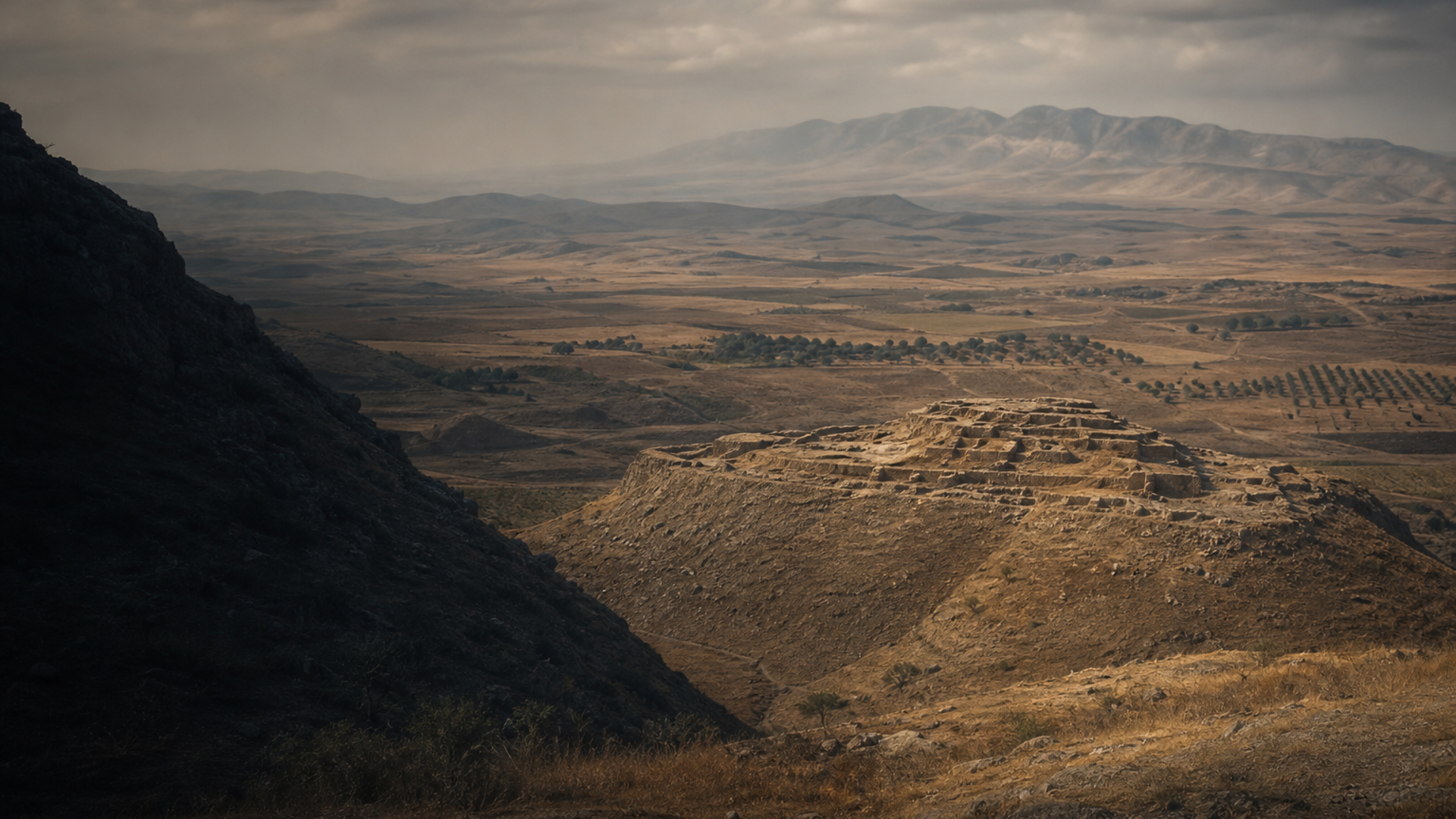
Life in Bronze Age Alalakh was a choreography of craft, commerce, and ritual beneath sun-scorched roofs. Households combined agriculture and specialized crafts: pottery workshops, metallurgy, and textile production left durable traces in the form of kilns, slag, loom weights, and tool assemblages. Streets and courtyards funneled social life — markets, family rites, and seasonal festivals — while elite compounds concentrated administrative functions and displays of wealth.
Burials and funerary goods recovered from tombs around the tell show social differentiation: some graves contained rich offerings and finely made objects, while others were more modest, suggesting a stratified society with elites tied to palace administration. Dietary signals from bones and botanical remains point to a mixed cereal-and-legume agriculture supplemented by sheep, goat and cattle herding; imported foods and exotic items testify to long-distance trade.
Archaeological context suggests a city in which local traditions blended with external fashions. Craftspeople at Alalakh reused motifs and techniques from neighboring regions, producing a material culture that is both distinctly local and unmistakably cosmopolitan.